
 한국어
 English
 日本語
 中文(简体)
 Viewing now
Boryung Mei Act 100 mg (Cefditoren Pivoxil)
Cefditoren Pivoxil 100mg
Tablet · Prescription medication
Boryung Pharmaceutical Co., Ltd.
MFDS item code 199500901 · Approved 1995.02.07 · Insurance code 641901220
Treatment of respiratory, otorhinolaryngological, ophthalmic, dental, skin and soft tissue, genitourinary, and biliary tract infections
This medication is effective against various bacteria such as Staphylococcus, Streptococcus, Escherichia coli, and Streptococcus pneumoniae. It is used to treat several infections including lymphangitis, mastitis, pharyngitis, pneumonia, pyelonephritis, otitis media, blepharitis, and skin infections, among others. It is particularly effective against a wide range of bacterial infections, from secondary infections of acute and chronic respiratory diseases to skin and soft tissue infections, and urogenital infections. This helps significantly in the treatment of infections in patients.
Adults: Administer 100 mg (potency) of cefditoren pivoxil orally 3 times daily after meals. Adjust the dose as appropriate according to symptoms, or, in severe cases or when the effect is considered insufficient, administer 200 mg (potency) orally 3 times daily after meals.
This medication should not be administered to patients who have previously experienced shock due to its components. It should also not be administered to patients with carnitine deficiency or congenital metabolic disorders that can cause carnitine deficiency. Patients who are allergic to or hypersensitive to milk proteins should not take this medication. Special caution is required for patients with a history of hypersensitivity reactions or allergies to penicillin antibiotics, and it should be used carefully when necessary. Patients prone to allergic symptoms such as bronchial asthma or skin rashes should also exercise caution. Patients with severely impaired kidney function may have increased blood levels of this medication, so it should be used cautiously. Patients who have difficulty swallowing, the elderly, or those in poor health should be closely monitored as they may exhibit symptoms of vitamin K deficiency. This medication can rarely cause severe allergic reactions such as shock or anaphylaxis, and it should be discontinued immediately if any unusual symptoms occur. In the case of skin hypersensitivity reactions such as rashes, urticaria, itching, or fever, the medication should be stopped and appropriate treatment sought. Blood disorders such as increased eosinophils, thrombocytopenia, and hemolytic anemia have been reported, and administration should be stopped if unusual symptoms occur. Hepatic dysfunction can also rarely occur, and if liver enzyme levels rise, the medication should be discontinued. Regular kidney examinations and monitoring are necessary as kidney function may worsen. Gastrointestinal side effects such as diarrhea, abdominal pain, and vomiting may occur, and if severe colitis symptoms arise, immediate treatment is required. Respiratory side effects such as interstitial pneumonia have been rarely reported, and if difficult breathing or coughing occurs, the medication should be stopped immediately. Oral infections such as stomatitis or candidiasis may also rarely occur. Precautions are warranted for the risk of bleeding tendencies due to vitamin K deficiency or vitamin B complex deficiency symptoms. Serious skin reactions such as Stevens-Johnson syndrome or toxic epidermal necrolysis can rarely occur, and should the symptoms appear, the medication should be stopped immediately. Headaches or decreased serum carnitine levels may occur, and periodic liver function tests and blood tests are required with prolonged use. This medication should only be taken for the minimum necessary duration to reduce the risk of resistant bacteria developing. Before administration, it is essential to check the patient’s history of allergies to other antibiotics or medications. Caution is needed when used together with antibiotic substances with coating agents as this may reduce serum carnitine levels. Taking this medication with meals can improve absorption. Taking it with antacids or acid secretion inhibitors may reduce absorption and is not recommended. Safety has not been established during pregnancy, so it should only be used when absolutely necessary, and caution is required during breastfeeding. Safety during use in pediatric patients, especially underweight or neonatal infants, has not been established, and there may be risks of low carnitine levels and hypoglycemia, necessitating cautious use. In the elderly, medication concentrations may increase due to decreased kidney function, and there is a risk of bleeding due to vitamin K deficiency, so dosage and intervals should be adjusted. Certain clinical tests may yield altered results due to this medication, so interpretation of test results should be approached with caution. This medication should be stored out of reach of children and is best kept in a cool, dry place away from light.
Not everyone experiences these, and they can vary from person to person.
This medication is sensitive to light and should be stored in a tightly sealed container that does not allow light to enter. It is also best to store it at room temperature, that is, in a normal temperature range that is neither too hot nor too cold.
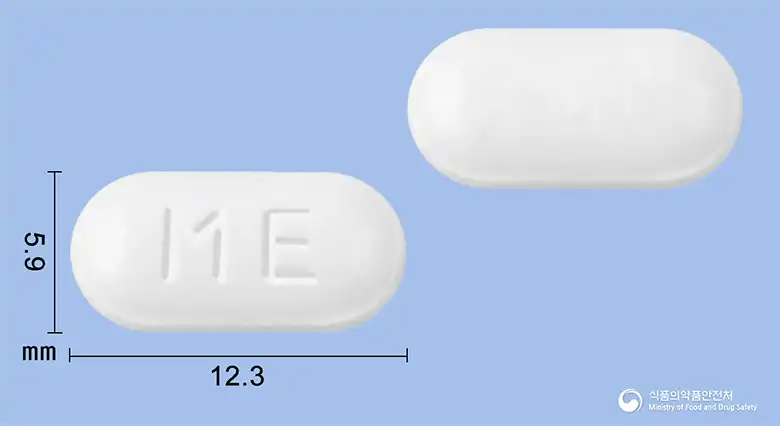
It is a white film-coated tablet.
100 tablets/box [10 tablets/PTP x 10]
Even with the same ingredient, strength, dosage form and how it is taken can differ.
Viewing nowCefditoren Pivoxil 100mg
Tablet · Prescription medication
Boryung Pharmaceutical Co., Ltd.
Cefditoren Pivoxil 100mg
Prescription medication
Boryung Co., Ltd.
Cefditoren Pivoxil 100mg
Tablet · Prescription medication
Youngjin Pharmaceutical Co., Ltd.
Cefditoren Pivoxil 100mg
Prescription medication
International Pharmaceutical Co., Ltd.
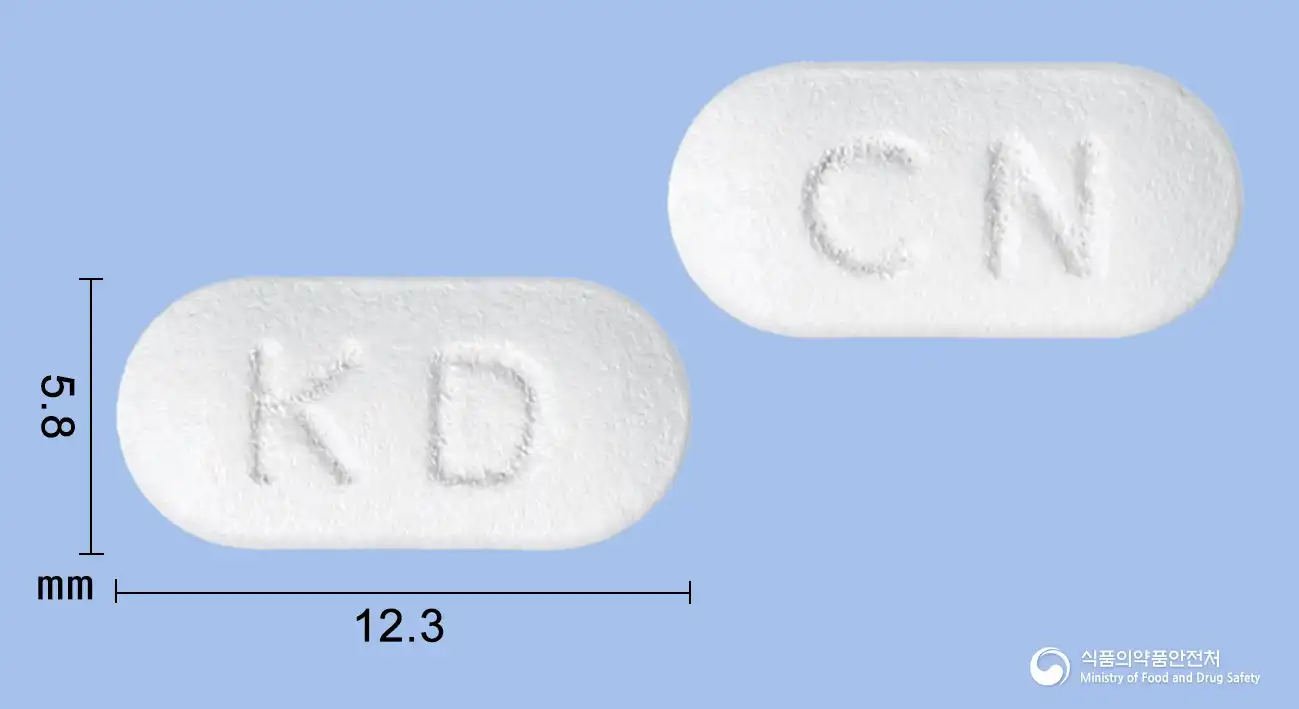
Cefditoren Pivoxil 100mg
Tablet · Prescription medication
Kyung Dong Pharmaceutical Co., Ltd.
Even with the same ingredient, the dose and directions can differ by strength and dosage form. Talk to a doctor or pharmacist before switching from a medication you are already taking.
No questions yet.
For anything that needs medical judgment, consult a doctor or pharmacist.
This drug information is based on data provided by the Korea Ministry of Food and Drug Safety.
Consult a doctor or pharmacist for accurate dosage, administration, and usage instructions.