
 한국어
 English
 日本語
 中文(简体)
 Viewing now
Onon Capsule (Franlukast Hydrate)
Pranlukast Hydrate 112.5mg
Hard capsule · Prescription medication
Dong-A ST Co., Ltd.
MFDS item code 199500183 · Approved 1995.12.28 · Insurance code 642502900
Treatment of bronchial asthma and allergic rhinitis
This medication is used for bronchial asthma and allergic rhinitis.
Adults: Administer 225 mg of pranlukast hydrate orally twice daily after breakfast and dinner. Adjust the dose as appropriate according to symptoms.
This medication should not be used in patients who have an allergic reaction to this drug or any of its components. Additionally, since this drug contains lactose, it should not be administered to patients with genetic disorders that affect lactose digestion. This drug contains the dye Yellow No. 5, so caution is needed for patients who are allergic or sensitive to this component. Serious allergic reactions such as shock or anaphylaxis may occur while taking this medication, so if symptoms like low blood pressure, loss of consciousness, breathing difficulties, or rash occur, stop taking the medication immediately and go to the hospital. Symptoms of reduced white blood cells or platelets may appear, so if fever or bleeding tendencies appear, stop taking this medication and consult a doctor. Liver dysfunction may occur, so if skin or eyes turn yellow or liver enzyme levels rise, discontinue use and seek treatment. Respiratory problems such as fever, cough, and difficulty breathing may occur, and if these symptoms appear, stop taking the medication and obtain necessary treatment. Symptoms of severe muscle damage known as rhabdomyolysis, as well as muscle pain or weakness, may occur, so if these symptoms appear, stop taking the medication immediately and visit a hospital. Skin rash, hives, and itching may occur; if any abnormal reactions are observed, stop taking the medication and consult a doctor. Neurological symptoms such as tremors, convulsions, anxiety, headache, drowsiness, and dizziness may occur, so caution is necessary. Gastrointestinal problems may arise such as nausea, abdominal pain, diarrhea, vomiting, and loss of appetite, and if symptoms are severe, consult a doctor. Abnormal heart rhythms or palpitations, as well as facial flushing, may rarely occur. Urinary anomalies or voiding disorders can develop, so notify medical personnel if such symptoms arise. Additionally, various side effects such as muscle stiffness, weight gain, hair loss, and menstrual irregularities may occur, so it is important to monitor changes in the body's condition closely. This medication is not intended to relieve asthma attacks immediately, so bronchodilators or steroids should be used when an attack occurs. Patients on long-term steroid therapy should adjust steroid doses gradually while using this medication and manage it carefully. Abruptly discontinuing this medication after reducing steroid maintenance doses may worsen the original condition, so caution is advised. Rarely, serious side effects such as vasculitis may occur with the use of leukotriene antagonists including this medication; if fever, joint pain, or skin abnormalities occur, notify medical personnel immediately. Depression or suicidal thoughts may also impact mental health, so closely observe the patient's condition after administration. If the medication is ineffective, caution should be taken to avoid long-term use. This drug is metabolized by specific enzymes in the liver, so caution is necessary when taken with other drugs that inhibit or compete with these enzymes, as it may increase blood drug concentration. Pregnant women or those who may become pregnant should only use this medication after consulting a doctor when the benefits of treatment outweigh the risks. The safety of this drug in children, particularly in low-birth-weight infants or neonates, has not been sufficiently confirmed, so it should be used with caution. Elderly patients may have reduced physical function, so caution is necessary regarding dosage reduction and administration. Finally, this medication should be stored out of reach of children and should not be transferred to other containers as this is safer and better for quality maintenance.
Not everyone experiences these, and they can vary from person to person.
This medication may be sensitive to air or moisture, so it should be stored in a tightly sealed container. Moreover, it is advisable to store it at room temperature away from extreme heat or cold.
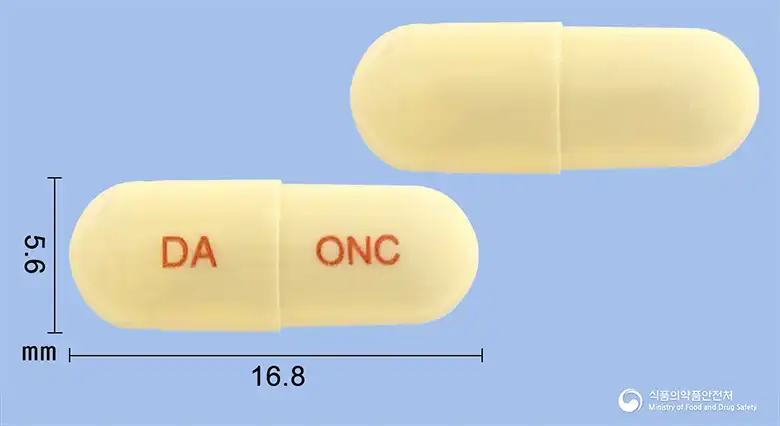
A hard capsule containing white to light yellow powder with an orange-yellow color.
600 capsules/bottle, 60 capsules/box [(12 capsules/PTP)x5], 28 capsules/bottle
Even with the same ingredient, strength, dosage form and how it is taken can differ.
Viewing nowPranlukast Hydrate 112.5mg
Hard capsule · Prescription medication
Dong-A ST Co., Ltd.
Pranlukast Hydrate
Prescription medication
Dong-A ST Co., Ltd.

Pranlukast Hydrate 112.5mg
Hard capsule · Prescription medication
SK Chemicals Co., Ltd.
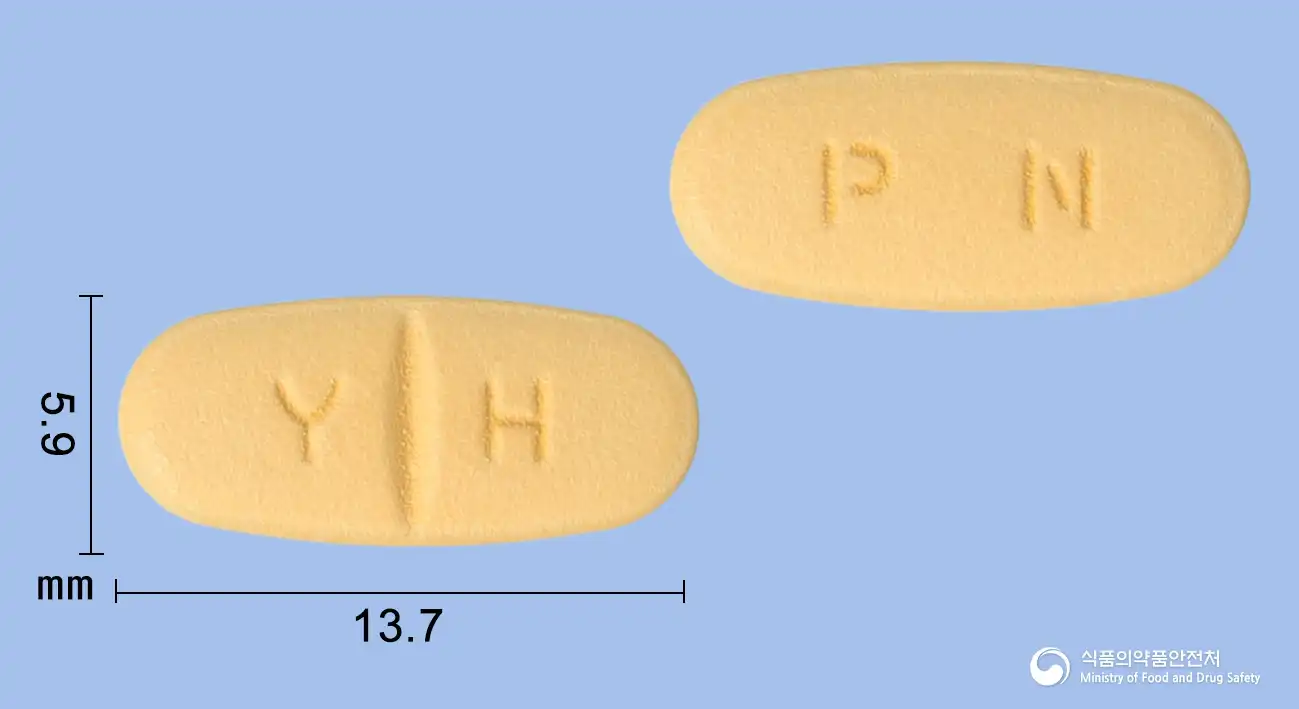
Pranlukast Hydrate 75mg
Tablet · Prescription medication
Yuhan Corporation
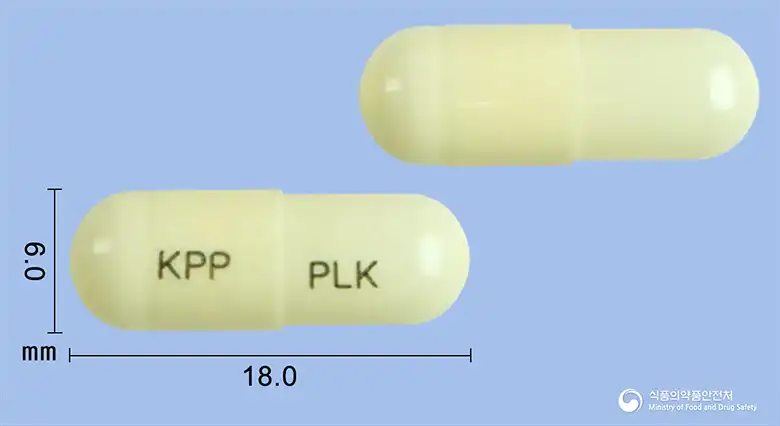
Pranlukast Hydrate 112.5mg
Hard capsule · Prescription medication
Korea Prime Pharmaceutical Co., Ltd.
Pranlukast Hydrate 10g
Syrup · Prescription medication
Sama Pharmaceutical Co., Ltd.
Pranlukast Hydrate 70mg
Prescription medication
Sama Pharmaceutical Co., Ltd.
Pranlukast Hydrate 140mg
Prescription medication
Sama Pharmaceutical Co., Ltd.
Even with the same ingredient, the dose and directions can differ by strength and dosage form. Talk to a doctor or pharmacist before switching from a medication you are already taking.
No questions yet.
For anything that needs medical judgment, consult a doctor or pharmacist.
This drug information is based on data provided by the Korea Ministry of Food and Drug Safety.
Consult a doctor or pharmacist for accurate dosage, administration, and usage instructions.