
 한국어
 English
 日本語
 中文(简体)
 Viewing now
Ketoracine Tablet (Ketorolac Tromethamine)
Ketorolac Tromethamine 10mg
Tablet · Prescription medication
Dongkuk Pharmaceutical Co., Ltd.
MFDS item code 199500043 · Notified 1995.07.12 · Insurance code 653400910
Short-term relief of moderate to severe acute pain (including postoperative pain)
This medicine is used for the short-term relief of acute pain ranging from moderate to severe severity, especially postoperative pain.
○Adults: Administer 10 mg ketorolac tromethamine orally every 4~6 hours. Do not exceed 40 mg per day. The duration of treatment must not exceed 7 days. For patients switched to oral administration after receiving an injectable formulation, the total daily dose from both formulations must not exceed 90 mg (60 mg in elderly patients, patients with renal impairment, and patients weighing 50 kg or less), and the oral dose must not exceed 40 mg.
This medicine should be used under medical supervision for individuals who regularly consume more than three drinks per day, as it may cause gastrointestinal bleeding. This medicine may pose risks to the cardiovascular system, possibly leading to serious issues like heart attack or stroke; therefore, patients with cardiovascular diseases or risk factors should take caution. It may affect blood coagulation, increasing the risk of bleeding; thus, it should be used cautiously in patients prone to bleeding or those at high risk of bleeding. Serious issues like gastrointestinal bleeding, ulcers, or perforations can occur, especially in elderly patients or those with a history of gastrointestinal diseases. It may affect kidney function, so patients with kidney disease or impaired kidney function should use it cautiously. Hypersensitivity reactions may occur, and those who have had reactions to aspirin or other non-steroidal anti-inflammatory analgesics should avoid taking this medication. Women planning to conceive or who may be pregnant are advised not to take this medicine, as it may affect fertility. It is advisable not to take this medicine in conjunction with other non-steroidal anti-inflammatory drugs due to an increased risk of serious side effects. When used as an injection, care should be taken to avoid glass fragment contamination upon opening the container, especially in children and the elderly. This medicine should not be administered to patients with a history of peptic ulcer, gastrointestinal bleeding, bleeding tendency, cerebrovascular bleeding, severe renal failure, asthma, or hypersensitivity to aspirin, or to pregnant women. Elderly patients, patients with liver dysfunction, kidney dysfunction, hypertension, heart failure, or dehydration should use this medicine with caution and should be closely monitored for side effects during administration. This medication can cause various side effects; if symptoms like headache, nausea, indigestion, rash, shortness of breath, or signs of bleeding occur, consult a physician immediately. During the course of this medication, blood pressure, liver, and kidney function should be regularly monitored, and any abnormal symptoms should be reported immediately. Due to many drug interactions, patients should inform their physician or pharmacist of any other medications they are currently taking. Women who are pregnant or nursing should not take this medicine, as it may be harmful to the fetus, especially in late pregnancy. Youth under 16 years and infants under 2 years should not take this medicine. In elderly patients, due to impaired kidney function and higher risk of gastrointestinal bleeding, it is safe to administer the minimum dose and to extend the interval between doses. Overdose may result in symptoms such as nausea, vomiting, abdominal pain, and gastritis, necessitating immediate medical attention. Injectable forms should not be mixed with other medications and should not be administered via the central nervous system. This medicine should be kept out of reach of children and should not be transferred to other containers.
Gastrointestinal bleeding, cardiovascular thrombotic reactions, myocardial infarction, stroke, bleeding, postoperative hematoma, wound bleeding, nausea, dyspepsia, abdominal pain, diarrhea, constipation, abdominal bloating, vomiting, stomatitis, peptic ulcer, gastrointestinal bleeding, perforation, hematochezia, rectal bleeding, gastritis, belching, loss of appetite, increased appetite, pancreatitis, hematemesis, esophagitis, melena, dry mouth, colitis, exacerbation of Crohn's disease, edema, anaphylaxis, bronchospasm, laryngeal edema, tongue swelling, hypotension, flushing, rash, weight gain, fever, infection, malaise, hypertension, erythema, palpitations, pallor, syncope, bradycardia, chest pain, heart failure, erythema, pruritus, toxic epidermal necrolysis, eosinophilia, drug reaction with systemic symptoms, Stevens-Johnson syndrome, exfoliative dermatitis, papular erythema, urticaria, angioedema, sweating, purpura, surgical site bleeding, thrombocytopenia, epistaxis, anemia, leukopenia, eosinophilia, hematoma, headache, sweating, drowsiness, dizziness, seizures, tremors, hallucinations, abnormal dreams, dysphoria, perceptual disturbances, depression, insomnia, neuroexcitability, thirst, severe thirst, abnormal thoughts, concentration difficulties, hyperactivity, confusion, myalgia, aseptic meningitis, anxiety, psychotic reaction, hepatitis, liver failure, cholestatic jaundice, abnormal liver function tests, dyspnea, asthma, pulmonary edema, rhinitis, cough, acute kidney failure, flank pain, oliguria, nephritis, polyuria, frequency, urinary retention, hemolytic uremic syndrome, hyperkalemia, hyponatremia, nephrotic syndrome, elevated serum urea and creatinine levels, injection site pain, dysgeusia, visual disturbances, blurred vision, optic neuritis, tinnitus, hearing loss, female infertility, prolonged bleeding time
Not everyone experiences these, and they can vary from person to person.
This medicine should be stored in a tightly sealed container to prevent air exposure, avoiding direct sunlight and storing at room temperature. This helps maintain the effectiveness of the medication for a longer duration.
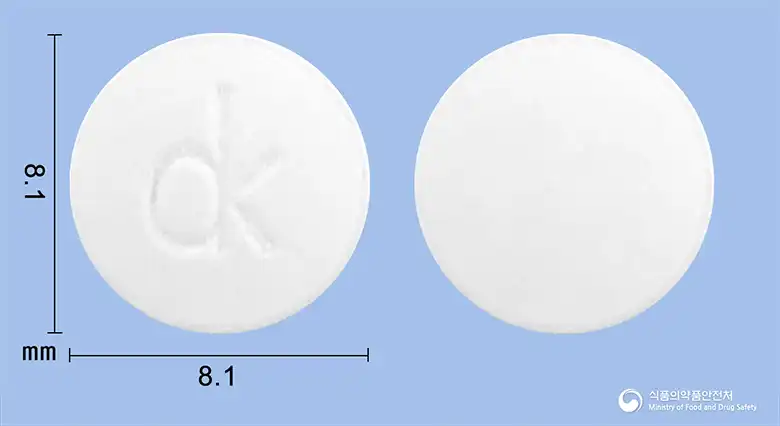
This medicine is a round white film-coated tablet.
30 tablets/bottle, 300 tablets/bottle
Even with the same ingredient, strength, dosage form and how it is taken can differ.
Viewing nowKetorolac Tromethamine 10mg
Tablet · Prescription medication
Dongkuk Pharmaceutical Co., Ltd.
Ketorolac Tromethamine 30mg
Prescription medication
Kyungdong Pharmaceutical Co., Ltd.
Ketorolac Tromethamine 30mg
Injections · Prescription medication
GPT Therapeutics Korea Co., Ltd.
Ketorolac Tromethamine 30mg
Injections · Prescription medication
Ilyun Pharmaceutical Co., Ltd.
Ketorolac Tromethamine 30mg
Injections · Prescription medication
Samjin Pharmaceutical Co., Ltd.
Even with the same ingredient, the dose and directions can differ by strength and dosage form. Talk to a doctor or pharmacist before switching from a medication you are already taking.
No questions yet.
For anything that needs medical judgment, consult a doctor or pharmacist.
This drug information is based on data provided by the Korea Ministry of Food and Drug Safety.
Consult a doctor or pharmacist for accurate dosage, administration, and usage instructions.