
 한국어
한국어 English
 日本語
日本語 中文(简体)
 Viewing now
Corus Acyclovir Tablet
Acyclovir 200mg
Tablet · Prescription medication
Korea Corus Co., Ltd.
MFDS item code 199402371 · Notified 1994.06.30 · Insurance code 647201000
Treatment of simplex herpes and herpes zoster (acute pain) and improvement of chickenpox
This medication is used for the treatment and prevention of herpes simplex virus infections of the skin and mucous membranes, including primary and recurrent genital herpes. It is also particularly effective in relieving acute pain associated with herpes zoster virus infections. However, the efficacy for postherpetic neuralgia is still uncertain. It is also used for the treatment of chickenpox in children over 2 years of age. This medication is available in various forms (tablets, syrup, suspension), allowing for administration suited to the patient's condition. Overall, it is a medication that helps treat viral infections.
1. Treatment of herpes simplex virus infections - Acyclovir: 200 mg five times a day at 4-hour intervals for 5 days, with possible extension for severe primary infections. - For severely immunocompromised patients or those with gastrointestinal absorption disorders, the dose can be increased to 400 mg or changed to intravenous administration. 2. Prevention of herpes simplex infections in immunocompetent patients - 200 mg four times a day,
1. Treatment of herpes simplex infection and prevention of herpes simplex infections in immunocompromised patients - Age 2 and older: Same as adult dosage - Under age 2: Half the adult dosage - There is currently no substantial data on the prevention of herpes simplex virus infections in immunocompetent patients.
This medication should not be used in patients who are allergic to this medicine or its ingredients or have previously shown hypersensitivity reactions to valacyclovir. It should be used with caution in patients with impaired kidney function as it carries a higher risk of causing neuropsychiatric adverse reactions. Patients with compromised liver function should also be careful, as this medication may worsen liver function. In infants and children, it should be administered minimally and only when necessary, especially in newborns or low birth weight infants. Elderly patients, who often have reduced kidney function, may have higher blood concentrations of this medication and adverse reactions may be more pronounced, so dosage and administration intervals should be adjusted with adequate fluid intake recommended. Serious allergic reactions such as anaphylactic shock may rarely occur during the administration of this medication, so if symptoms such as hypotension, difficulty breathing, or chest tightness occur, administration should be stopped immediately and appropriate treatment should be sought. Photosensitivity reactions, skin rashes, fever, vesicles, and urticaria-like erythema may occur, and if such symptoms arise, administration should be discontinued and treated. Severe skin diseases such as hair loss, erythema multiforme, Stevens-Johnson syndrome, and Lyell syndrome may occur, so if abnormal symptoms appear, immediate consultation with medical personnel is necessary. Neuropsychiatric side effects can manifest as altered consciousness, disorientation, decreased concentration, aggressive behavior, hallucinations, seizures, drowsiness, insomnia, anxiety, and various other symptoms, being more frequent in elderly patients or those with kidney impairment, and caution is advised. It may affect kidney function, leading to renal failure, hematuria, and proteinuria, so regular kidney function tests should be carried out. Hematologic abnormalities including leukopenia, anemia, bleeding, and purpura can occur, so any unusual symptoms should be reported to a healthcare provider. Hepatic disturbances can lead to hepatitis, jaundice, and elevated liver enzyme levels, so liver function tests should be monitored during use. Gastrointestinal side effects may include gastritis, nausea, vomiting, diarrhea, and abdominal pain, and if symptoms are severe, administration should be discontinued and medical advice sought. Systemic symptoms such as fever, muscle weakness, headache, and malaise can occur, so the patient's condition should be closely monitored. Musculoskeletal symptoms may include arthralgia or myalgia. Cardiovascular side effects such as arrhythmias, blood pressure changes, and chest pain have been reported, so patients with cardiovascular diseases should be cautious. Urogenital side effects such as urinary tract obstruction or difficulty urinating may rarely occur. Other side effects may include pneumonia, pharyngitis, respiratory distress, visual disturbances, taste disorders, hair loss, sweating, and electrolyte imbalances. This medication is most effective when administered as soon as symptoms appear, ideally within 5 days of skin symptom onset for herpes zoster and within 3 days for chickenpox. In patients with compromised immune function, intravenous administration may be considered. During the treatment period, especially at higher doses, sufficient fluid intake should be maintained to reduce the risks of dehydration and kidney toxicity. When treating recurrent genital herpes, it is important to review whether to continue use after a year of therapy. This medication may cause altered consciousness, so caution is advised while driving or operating machinery, especially in patients with kidney impairment. This medication may interact with other drugs, so consultation with healthcare professionals is necessary, particularly when used with probenecid, cimetidine, theophylline, and mycophenolate mofetil. Women who are pregnant or may become pregnant should only use this medication when the benefits outweigh the risks, and breastfeeding should be stopped during treatment.
Shock, anaphylactic shock, anaphylactoid reactions, hypotension, respiratory distress, chest tightness, urticaria, skin and mucous membrane syndrome (Stevens-Johnson syndrome), toxic epidermal necrolysis (Lyell syndrome), jaundice, acute pancreatitis, severe headache, seizures, altered consciousness, coma, renal failure, hypertension, severe edema, hematuria, proteinuria, pyuria, leukocytoclastic vasculitis, lymphadenopathy, bleeding, purpura, anemia, leukopenia, thrombocytopenia.
Not everyone experiences these, and they can vary from person to person.
This medication is sensitive to air and moisture, so it must be stored in a tightly sealed container. The recommended storage temperature is between 1 to 30 degrees Celsius to maintain the medication's efficacy for a long time.
Light blue circular tablet
30 tablets/bottle, 100 tablets/bottle
Even with the same ingredient, strength, dosage form and how it is taken can differ.
Viewing nowAcyclovir 200mg
Tablet · Prescription medication
Korea Corus Co., Ltd.
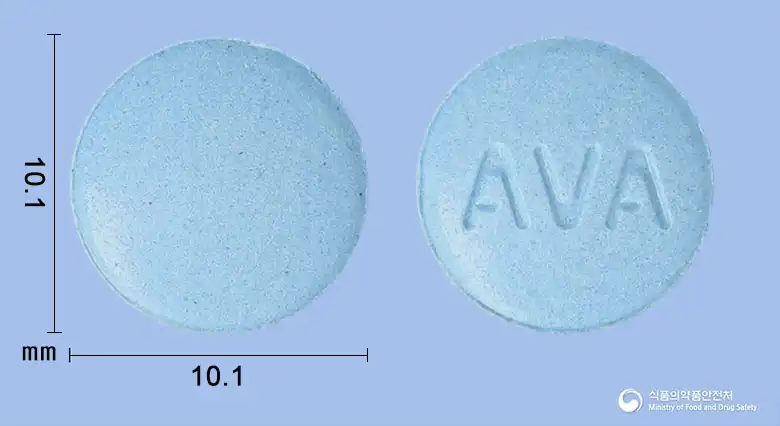
Acyclovir 200mg
Tablet · Prescription medication
Kyung dong Pharm Co., Ltd.
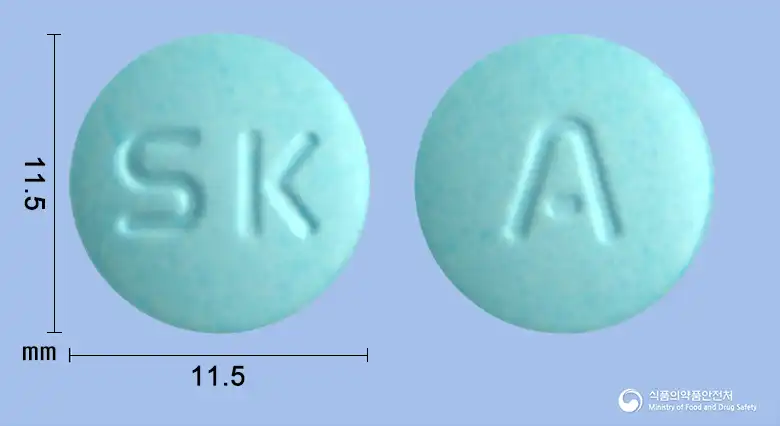
Acyclovir 200mg
Tablet · Prescription medication
SK Chemicals Co., Ltd.
Acyclovir
Prescription medication
Baskan Biopharmaceutical Co., Ltd.
Acyclovir 50mg
Cream · OTC medication
Dongkwang Pharmaceutical Co., Ltd.
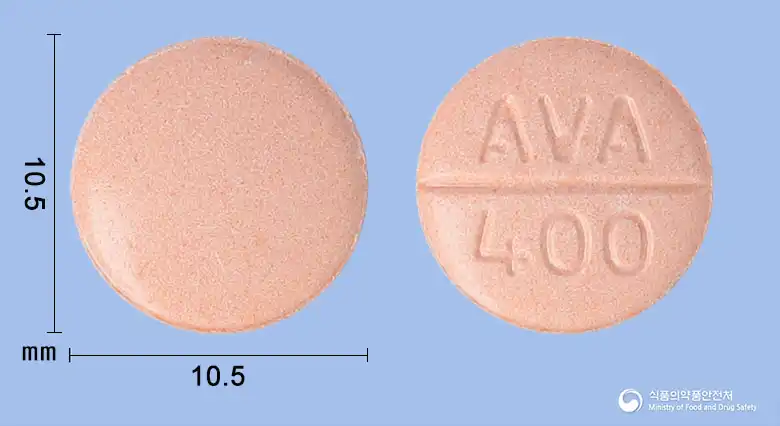
Acyclovir 400mg
Tablet · Prescription medication
Kyung dong Pharm Co., Ltd.
Acyclovir 50mg
Cream · OTC medication
Kyungdong Pharmaceutical Co., Ltd.
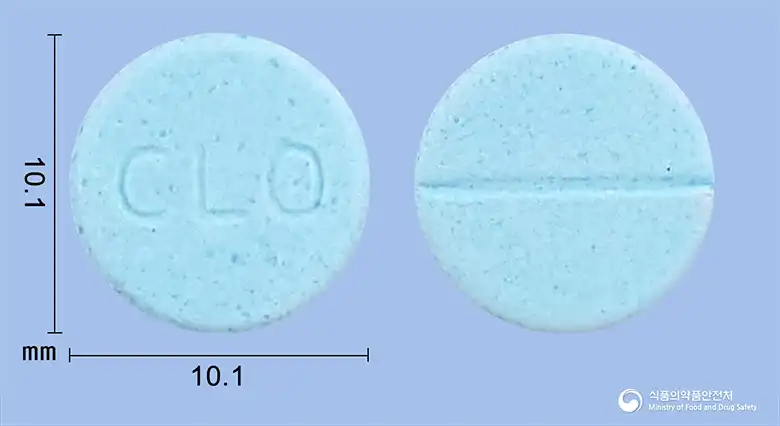
Acyclovir 200mg
Tablet · Prescription medication
Vivozon Pharmaceutical Co., Ltd.
Even with the same ingredient, the dose and directions can differ by strength and dosage form. Talk to a doctor or pharmacist before switching from a medication you are already taking.
No questions yet.
For anything that needs medical judgment, consult a doctor or pharmacist.
This drug information is based on data provided by the Korea Ministry of Food and Drug Safety.
Consult a doctor or pharmacist for accurate dosage, administration, and usage instructions.