
 한국어
 English
 日本語
 中文(简体)
 Viewing now
Pavise Ofloxacin Tablets
Ofloxacin 100mg
Tablet · Prescription medication
Korea Pavise Pharmaceutical Co., Ltd.
MFDS item code 199401661 · Notified 1994.10.15 · Insurance code 621801830
Treatment of respiratory, genitourinary, skin, eye, biliary tract, and intestinal infections; adjunctive treatment of leprosy
This medication is effective for various infections caused by different bacteria. It is used for superficial secondary infections such as folliculitis, boils, and cellulitis on the skin, as well as upper respiratory infections like pharyngitis, otitis media, and sinusitis. It is also effective for respiratory infections such as acute and chronic bronchitis and pneumonia, as well as urinary tract infections like pyelonephritis, cystitis, and prostatitis. Additionally, it is used for the treatment of cholecystitis, bacillary dysentery, intrauterine infections, and various eye infections. However, this medication is recommended for use only when other treatment options are not available due to the potential for serious side effects. Overall, this medication is used to treat a variety of bacterial infections.
○ The usual adult dose of ofloxacin is 300~600 mg per day, divided into 2~3 doses. ○ For leprosy, the dose is 400~600 mg per day, divided into 2~3 doses. In principle, it should be used in combination with other antileprosy drugs. The dose may be adjusted as appropriate according to age and symptoms.
This medication can cause serious tendon issues such as tendonitis and tendon rupture; if such symptoms occur, you must immediately stop taking the medication. It can affect peripheral neuropathy and the central nervous system, potentially leading to sensory disturbances or neurological issues, so caution is required. In patients with myasthenia gravis, this medication may worsen symptoms, so it is advisable not to use it. It should only be used restrictively for certain infections, such as acute bacterial sinusitis, acute exacerbations of chronic bronchitis, and uncomplicated urinary tract infections. Elderly individuals or those using steroids may be at a higher risk for tendon rupture, so exercise caution. Patients with a history of allergic reactions or tendon problems from this medication or similar drugs should not take it. It is safest not to use this medication in pregnant women, nursing mothers, adolescents under 18 years of age, or patients with certain genetic conditions. Patients with impaired kidney or liver function, a history of mental illness, aortic aneurysms, or heart valve diseases should use this medication cautiously. This medication can cause various side effects such as allergic reactions, liver dysfunction, kidney problems, gastrointestinal disorders, blood abnormalities, and neurological issues; if any unusual symptoms appear, immediate consultation with a healthcare professional is necessary. While taking this medication, it is advisable to avoid exposure to sunlight or ultraviolet rays, ensure adequate hydration, and exercise caution while driving or operating hazardous machinery. This medication may interact with other drugs, so inform your healthcare provider, especially if taking anticoagulants, antidiabetic agents, or certain anti-inflammatory drugs. Women who are pregnant or may become pregnant should not take this medication, and nursing mothers should discontinue breastfeeding while using it. Its safety in children and adolescents has not been confirmed, so it is not used in these populations. In cases of overdose, severe symptoms may arise; therefore, adherence to the prescribed dosage and administration is crucial. Intravenous administration should be done slowly, and it should not be administered with certain solutions. This medication should be kept out of the reach of children and not transferred to other containers.
Tendinitis, tendon rupture, peripheral neuropathy, central nervous system effects, exacerbation of myasthenia gravis, anaphylactic shock, anaphylactoid reactions, rash, itching, erythema, edema, fever, heat sensation, vesicles, erythema, photosensitivity reactions, hematuria, acute renal failure, kidney stones, interstitial nephritis, elevated BUN, elevated serum creatinine, jaundice, liver failure, elevated AST/ALT, elevated ALP, elevated γ-GTP, elevated total bilirubin, obstructive jaundice, fulminant hepatitis, membranous colitis, abdominal pain, diarrhea, nausea, vomiting, discomfort in the stomach/abdomen, cirrhosis, appetite loss, gastric discomfort, dyspepsia, chest pain, thirst, taste alteration, stomatitis, glossitis, abdominal distension, constipation, dysphagia, gastrointestinal bleeding, oral mucosal pain, bowel perforation, anemia, leukopenia, decreased hemoglobin, decreased hematocrit, thrombocytopenia, eosinophilia, agranulocytosis, thrombotic thrombocytopenic purpura, petechial and ecchymotic hemorrhages, prolonged prothrombin time, reversible bone marrow suppression, lymphopenia, neutropenia, increased ESR, insomnia, dizziness, headache, seizures, tremors, paresthesia, peripheral nerve disorders, visual disturbances, auditory disturbances, hallucinations, drowsiness, neurosensitivity, sleep disturbances, confusion, anxiety, depression, agitation, fatigue, delirium, perceptual disturbances, reversible olfactory and proprioceptive dysfunction, ataxia, aphasia, feeling of heaviness in the head, mucocutaneous syndrome, toxic epidermal necrolysis, arthralgia, myalgia, muscle weakness, myositis, malaise, elevated CPK, elevated serum and urine myoglobin, rhabdomyolysis, pharyngitis, respiratory distress, bronchospasm, allergic pneumonia, epistaxis, wheezing, fever, cough, abnormal chest X-ray, eosinophilia, interstitial pneumonia, cerebral thrombosis, pulmonary edema, tachycardia, hypertension, hypotension, palpitations, vasodilation, circulatory collapse, prolonged QT interval, ventricular tachycardia, dysuria, frequency of urination, urinary retention, anuria, polyuria, hematuria, dysuria, pyuria, diabetes, proteinuria, alkaline urine, vaginitis, vaginal candidiasis, increased vaginal discharge, itching of the female external genitalia, menstrual irregularities, uterine cramps, female genital rash, pain, irritation, burning sensation, symptoms of hypoglycemia, limb pain, malaise, fever, drowsiness, nausea, dizziness, facial flushing, facial edema, paresthesia, inaccurate speech, loss of directional sense
Not everyone experiences these, and they can vary from person to person.
This medication should be stored in a tightly sealed container to prevent air exposure and kept at room temperature between 1 to 30 degrees Celsius. Proper storage will help maintain the medication's effectiveness and prevent deterioration.
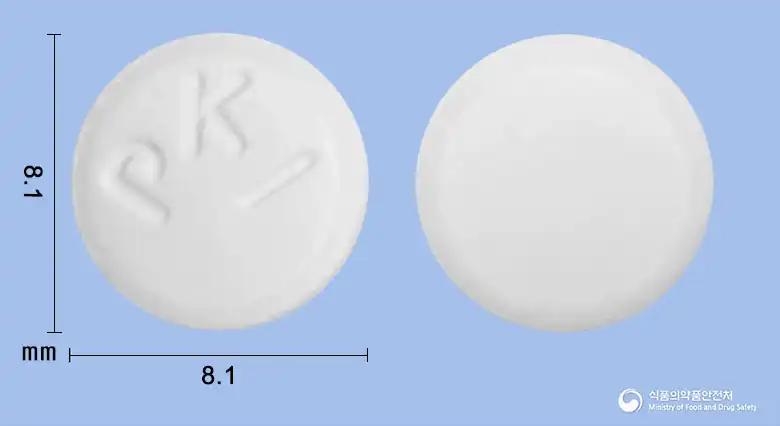
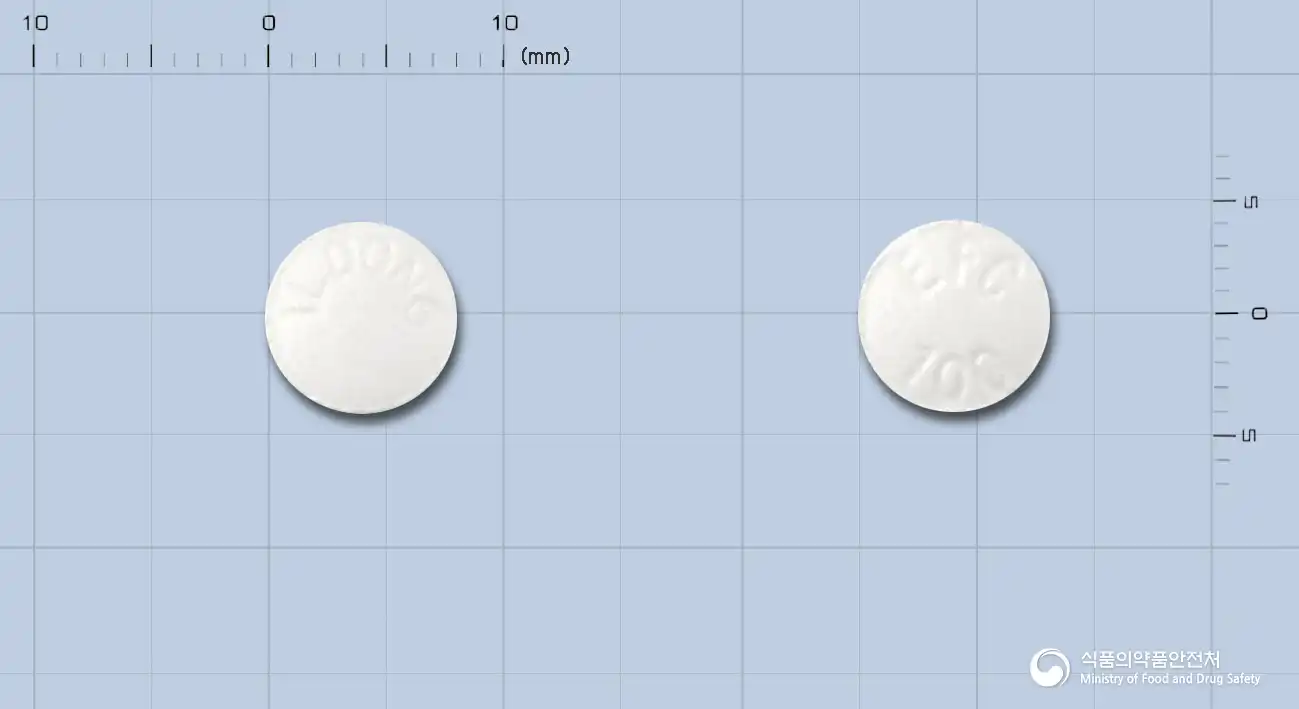
White round film-coated tablet
30 tablets/bottle, 500 tablets/bottle
Even with the same ingredient, strength, dosage form and how it is taken can differ.
Viewing nowOfloxacin 100mg
Tablet · Prescription medication
Korea Pavise Pharmaceutical Co., Ltd.
Ofloxacin 100mg
Tablet · Prescription medication
Cejal Pharmaceutical Co., Ltd.
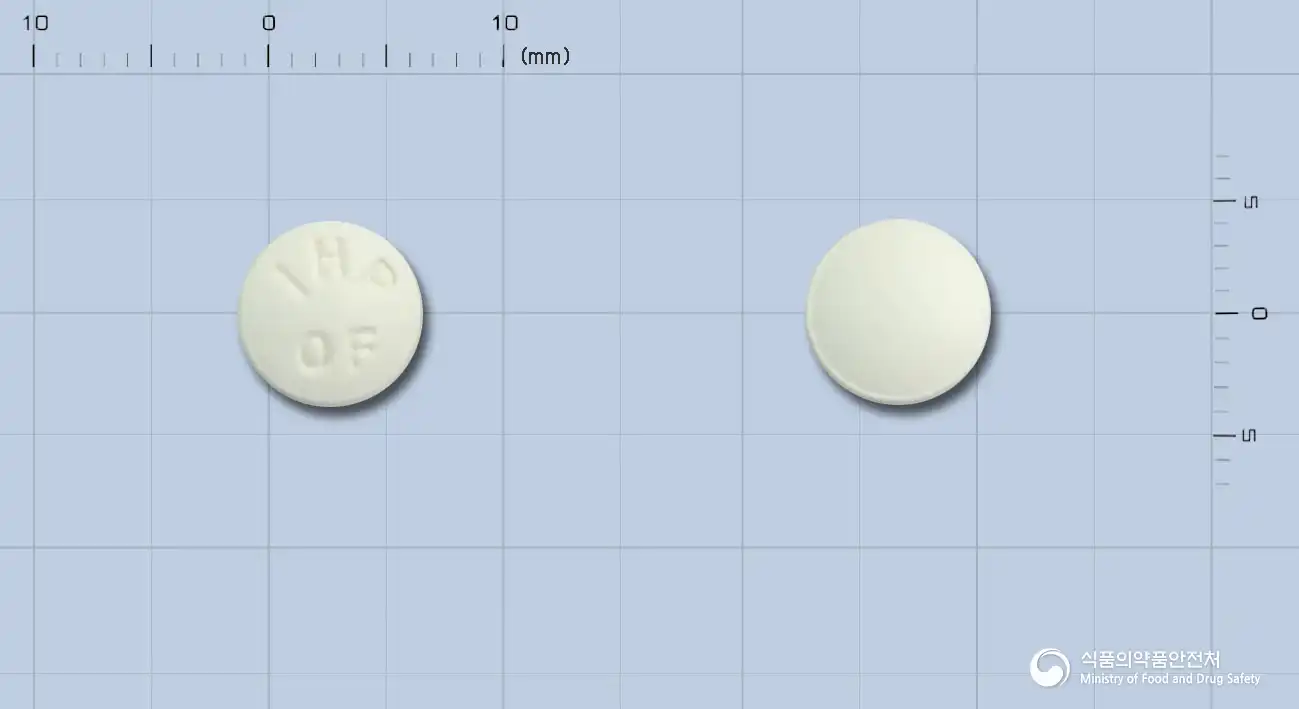
Ofloxacin 100mg
Tablet · Prescription medication
Ilhwa
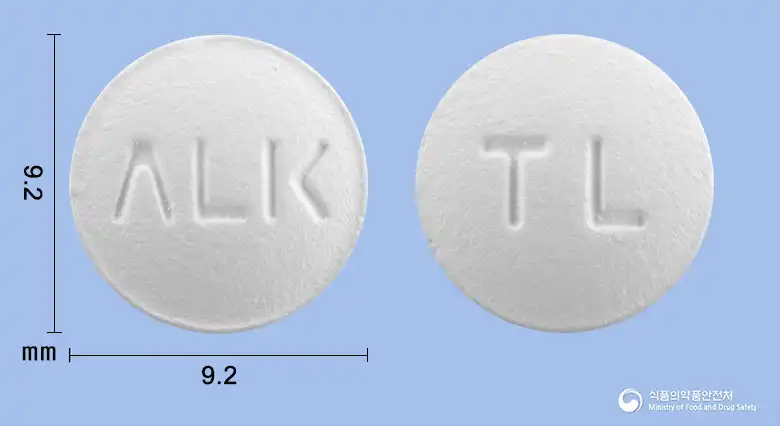
Ofloxacin 100mg
Tablet · Prescription medication
Alvogen Korea Co., Ltd.
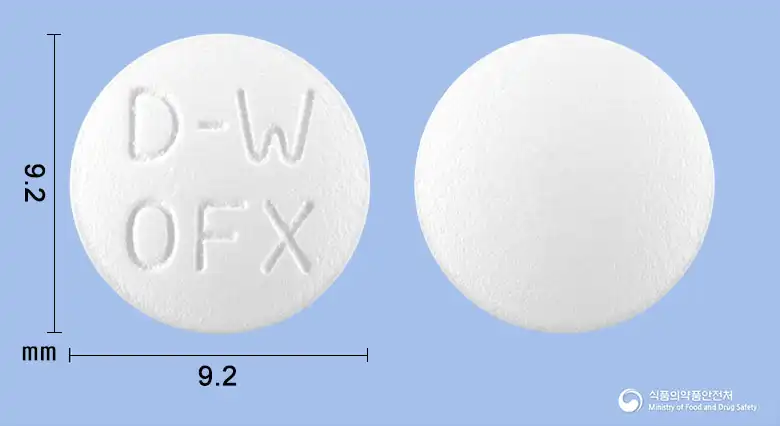
Ofloxacin 100mg
Tablet · Prescription medication
Donghwa Pharmaceutical Co., Ltd.
Ofloxacin
Prescription medication
Gujoo Pharmaceutical Co., Ltd.
Ofloxacin 200mg
Tablet · Prescription medication
Jeil Pharmaceutical Co., Ltd.
Ofloxacin 100mg
Tablet · Prescription medication
Il Dong Pharmaceutical Co., Ltd.
Even with the same ingredient, the dose and directions can differ by strength and dosage form. Talk to a doctor or pharmacist before switching from a medication you are already taking.
No questions yet.
For anything that needs medical judgment, consult a doctor or pharmacist.
This drug information is based on data provided by the Korea Ministry of Food and Drug Safety.
Consult a doctor or pharmacist for accurate dosage, administration, and usage instructions.