
 한국어
 English
 日本語
 中文(简体)
Dosage form image
Viewing nowToriem Tablets (Domperidone Malate)
Domperidone Maleate 12.72mg
Tablet · Prescription medication
Daewon Pharmaceutical Co., Ltd.
MFDS item code 199401161 · Notified 1994.09.30
This product's status changed to Expired on 2026.01.01. It may no longer be sold, so consult a doctor or pharmacist before taking it.
Relief of nausea and vomiting
This medication is used to relieve symptoms of nausea and vomiting.
Adults: Administer domperidone 10mg per dose (5mg when levodopa is being administered) orally 3 times daily before meals. The maximum daily dose is 30mg. In general, do not use for more than 1 week.
Adolescents (12 years and older, 35kg or more): Administer domperidone 10mg per dose (5mg when levodopa is being administered) orally 3 times daily before meals. The maximum daily dose is 30mg.
This medication should not be used in certain patients. Patients who are allergic to any of the components of this medication or have experienced hypersensitivity reactions should not take it. This medication is not to be administered to patients with dangerous gastrointestinal conditions such as gastrointestinal bleeding, bowel obstruction or perforation. Patients with prolactin-secreting tumors should avoid this medication as it may increase prolactin secretion. Patients taking strong CYP3A4 inhibitors or medications that prolong the QT interval should not use this medication concurrently. Patients with moderate to severe liver dysfunction and women who are pregnant or may become pregnant should not take this medication. Patients with cardiac diseases such as cardiac conduction abnormalities, electrolyte imbalance, or heart failure are also prohibited from using this medication. Patients with genetic metabolic disorders such as lactose intolerance or galactose intolerance should use caution. The use of this medication is not suitable for children, especially those weighing less than 35kg, and should be administered with more caution in infants under 1 year old. Patients with renal impairment or mild liver dysfunction, elderly patients, and those with a history of heart disease may experience stronger adverse reactions, so caution is required. Since this medication is primarily metabolized in the liver, patients with liver damage should periodically check liver function when taking it. Patients with severe renal failure may experience slower excretion of this medication, necessitating adjustments in dosage and frequency, and long-term use requires medical supervision. This medication may cause drowsiness or dizziness, so activities that require concentration, such as driving or operating machinery, should be avoided after taking it. This medication can increase the risk of cardiac arrhythmias, so especially elderly or heart disease patients should consult their physician before taking it. There are many drug interactions; care should be taken to monitor closely when taking with specific medications as instructed by a physician. Pregnant or nursing women should avoid taking this medication as it may affect the fetus or newborn, or should consult a physician before doing so. Overdosage may lead to neurological symptoms and heart problems, requiring immediate medical attention. This medication should be stored out of reach of children and kept in its original container to avoid deterioration and misuse.
dyspepsia
Not everyone experiences these, and they can vary from person to person.
This medication should be stored in a tightly sealed container to prevent air or moisture ingress, and it is advisable to keep it away from direct sunlight at normal room temperature. This will maintain the efficacy of the medication and prevent degradation.
White round tablets
Domestic use: 30 tablets/bottle, 500 tablets/bottle; Export use: 100 tablets/bottle
Even with the same ingredient, strength, dosage form and how it is taken can differ.
Domperidone Maleate 12.72mg
Tablet · Prescription medication
Daewon Pharmaceutical Co., Ltd.
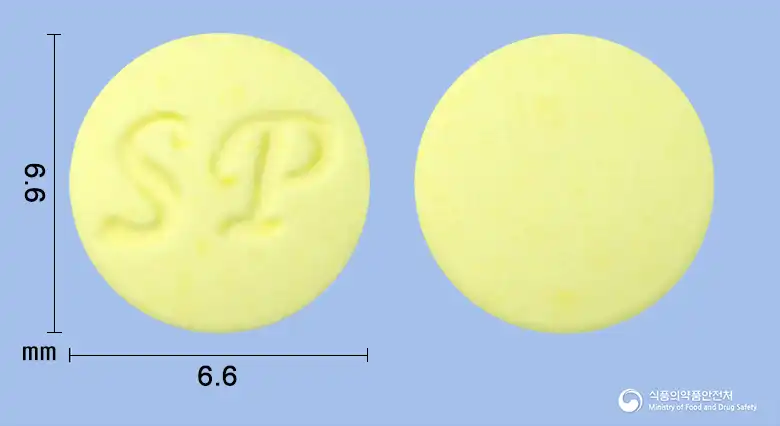
Domperidone Maleate 12.72mg
Tablet · Prescription medication
Shinpoong Pharmaceutical Co., Ltd.
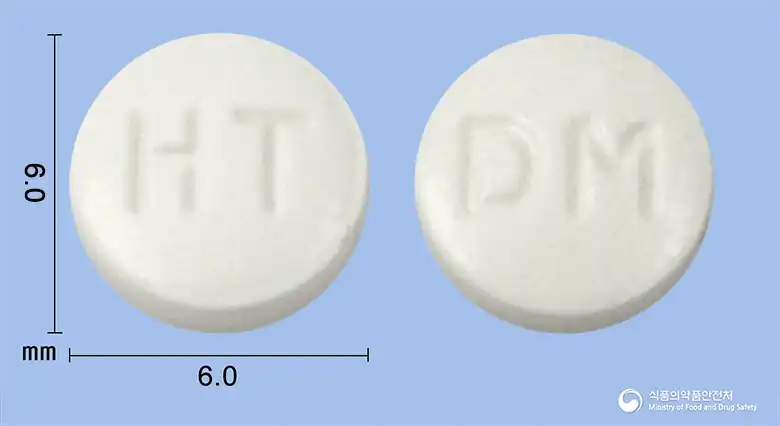
Domperidone Maleate 12.72mg
Tablet · Prescription medication
Hankook Hyutex Pharmaceutical Co., Ltd.
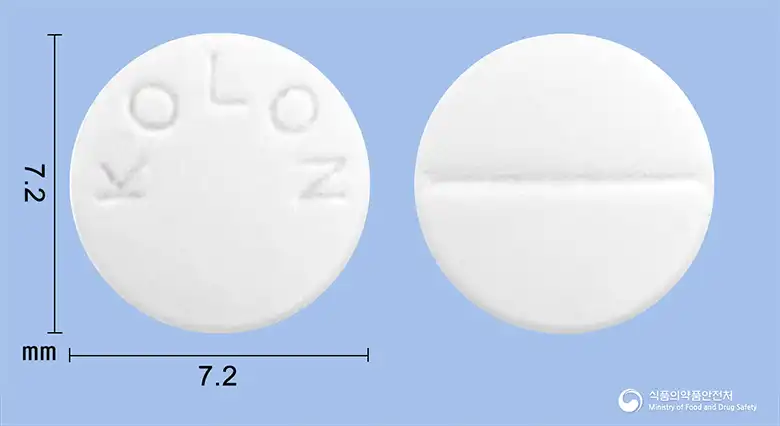
Domperidone Maleate 12.72mg
Tablet · Prescription medication
Kolon Pharmaceutical Co., Ltd.
Domperidone Maleate 12.72mg
Tablet · Prescription medication
Shinil Pharmaceutical Co., Ltd.
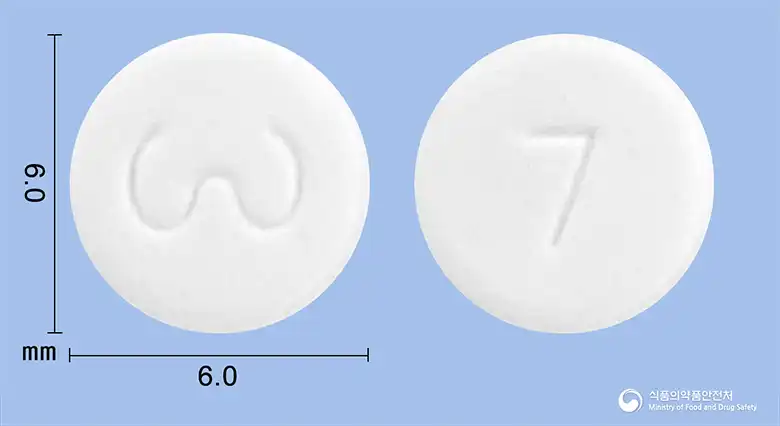
Domperidone Maleate 12.72mg
Tablet · Prescription medication
Withus Pharmaceutical Co., Ltd.
Domperidone Maleate 12.72mg
Tablet · Prescription medication
Samchundang Pharm Co., Ltd.
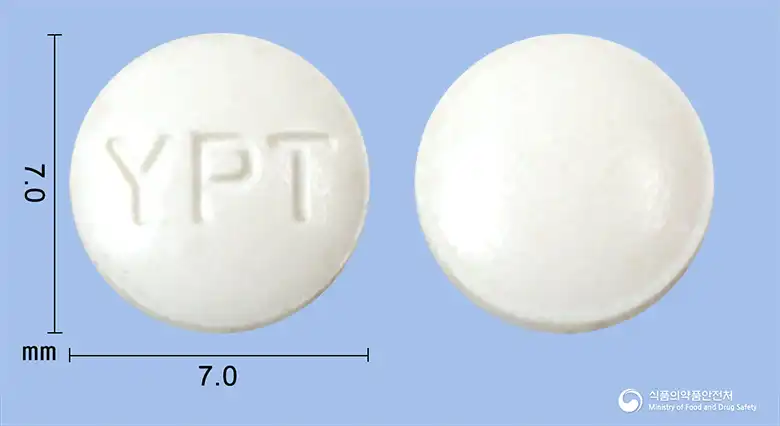
Domperidone Maleate 12.72mg
Tablet · Prescription medication
Youngpoong Pharmaceutical Co., Ltd.
Even with the same ingredient, the dose and directions can differ by strength and dosage form. Talk to a doctor or pharmacist before switching from a medication you are already taking.
No questions yet.
For anything that needs medical judgment, consult a doctor or pharmacist.
This drug information is based on data provided by the Korea Ministry of Food and Drug Safety.
Consult a doctor or pharmacist for accurate dosage, administration, and usage instructions.