
 한국어
한국어 English
 日本語
日本語 中文(简体)
Dosage form image
Viewing nowOskovancmycin Injection 0.5g (Vancomycin Hydrochloride)
Vancomycin Hydrochloride 500mg
Injections · Prescription medication
Oskorea Pharmaceutical Co., Ltd.
MFDS item code 199401145 · Notified 1994.03.31 · Insurance code 629700131
Treatment of enterocolitis and pseudomembranous colitis caused by Staphylococcus and Clostridium difficile infections
This drug is primarily used for the treatment of enterocolitis caused by Staphylococcus and antibiotic-associated pseudomembranous colitis induced by Clostridium difficile. It is also effective against various bacterial infections including streptococci, staphylococci, Clostridium difficile, and diphtheroid bacteria. It is administered for severe infections, including endocarditis, osteomyelitis, arthritis, peritonitis, meningitis, secondary infections from burns or surgical wounds, pneumonia, sepsis, and lung abscesses. It is particularly useful for the treatment of severe infections that are difficult to treat with penicillin and cephalosporin antibiotics. The capsule form is taken orally for enterocolitis and pseudomembranous colitis. This drug is effectively used for the treatment of various bacterial infections.
[Capsules] 500mg divided into 7-10 days for adults per day. In severe cases, 2g may be divided into 3-4 doses daily, with the total daily dose not exceeding 2g. [Injection] 500mg every 6 hours or 1g every 12 hours via intravenous drip. [Oral Vancomycin Hydrochloride] 500-2000mg divided into 3-4 doses daily for 7-10 days, with total 1
[Capsules] For children, 40mg per kg of body weight divided into 3-4 doses daily for 7-10 days, with a total daily dose not exceeding 2g. Adjust as appropriate based on age and symptoms. [Injection] 1
This drug should not be used in patients who have had an allergic reaction to this drug or its components. Caution is required when using this drug in patients with allergies to peptide or aminoglycoside antibiotics, auditory damage, renal dysfunction, elderly patients, and patients with damage to the vestibular system or cochlea. During administration, various side effects such as shock, blood cell count reduction, hearing loss, renal dysfunction, and skin rashes may occur rarely, so if any abnormal symptoms appear, administration should be stopped immediately, and appropriate treatment should be sought. To prevent the development of resistant bacteria, the susceptibility of the infectious bacteria should be confirmed and this drug should only be used for the minimum necessary duration. Particularly for patients with reduced renal function or those using aminoglycoside antibiotics concurrently, renal function should be tested frequently and monitored closely. This drug should be administered with caution to pregnant or breastfeeding women, and in the case of breastfeeding, it is recommended to avoid administration or to stop breastfeeding. Elderly patients may have weakened renal function, so renal function tests should be performed before and during treatment, and the dosage adjusted as necessary. In the case of overdose, serious side effects such as renal failure or hearing loss may occur, so if overdose is suspected, medical personnel should be informed immediately for appropriate treatment. This drug may interact with other medications, so caution should be exercised particularly when used with neurotoxic or nephrotoxic drugs, and blood tests should be performed frequently when used in combination with anticoagulants to reduce bleeding risk. During administration of this drug, regular hearing tests and renal function tests are essential to closely monitor for side effects. Additionally, long-term use may increase the risk of overgrowth of resistant bacteria or pseudomembranous colitis caused by Clostridium difficile, so if symptoms occur, consult healthcare professionals immediately. When used as an injection, only intravenous injection is allowed, and the infusion rate should be adjusted slowly to prevent hypotension or infusion-related adverse effects. Finally, this drug is an antibiotic that treats infections by inhibiting bacterial cell wall synthesis, so the prescribed dosage and frequency must be strictly followed.
Hives, shock, anaphylaxis, Stevens-Johnson syndrome, toxic epidermal necrolysis, drug reaction with eosinophilia and systemic symptoms (DRESS), acute generalized exanthematous pustulosis (AGEP), vasculitis, eighth cranial nerve dysfunction, jaundice, wheezing, difficulty breathing, hypotension, low blood pressure, cardiac arrest, hearing loss, renal failure, liver dysfunction, acute renal failure, severe skin reactions, rash, blisters, mucous membrane pain, severe rash, blisters
Not everyone experiences these, and they can vary from person to person.
This drug should be stored in a sealed container to prevent air or moisture exposure, preferably at a temperature between 1 degree and 30 degrees Celsius. Proper storage will safely maintain the effectiveness of the drug.
Vial injection containing a light yellowish-brown powder
10 vials/box [(500mg/vial)]
Even with the same ingredient, strength, dosage form and how it is taken can differ.
Vancomycin Hydrochloride 500mg
Injections · Prescription medication
Oskorea Pharmaceutical Co., Ltd.
Vancomycin Hydrochloride 500mg
Injections · Prescription medication
HK Innoen Co., Ltd.
Vancomycin Hydrochloride 500mg
Injections · Prescription medication
Aprogen Pharmaceuticals Co., Ltd.
Vancomycin Hydrochloride 500mg
Injections · Prescription medication
Yuyoung Pharmaceutical Co., Ltd.
Vancomycin Hydrochloride
Prescription medication
International Pharmaceutical Co., Ltd.
Vancomycin Hydrochloride 1g
Injections · Prescription medication
Aprogen Biosciences, Co., Ltd.
Vancomycin Hydrochloride 1g
Injections · Prescription medication
HK Innoen Co., Ltd.
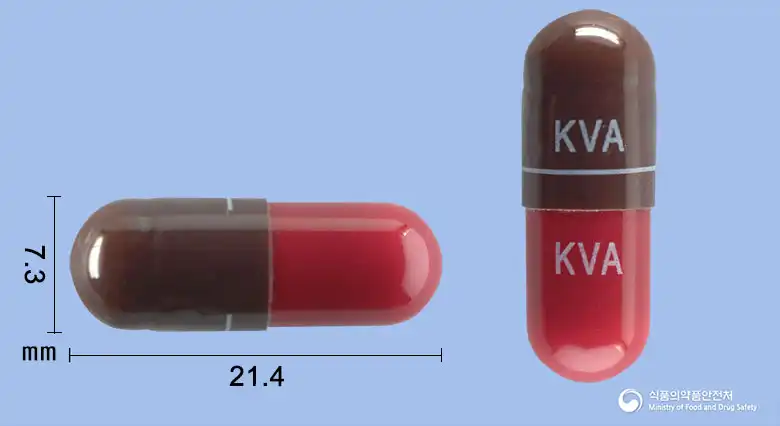
Vancomycin Hydrochloride 250mg
Hard capsule · Prescription medication
Korea United Pharm., Ltd.
Even with the same ingredient, the dose and directions can differ by strength and dosage form. Talk to a doctor or pharmacist before switching from a medication you are already taking.
No questions yet.
For anything that needs medical judgment, consult a doctor or pharmacist.
This drug information is based on data provided by the Korea Ministry of Food and Drug Safety.
Consult a doctor or pharmacist for accurate dosage, administration, and usage instructions.