
 한국어
한국어 English
 日本語
日本語 中文(简体)
Dosage form image
Viewing nowCLOVA Injection (Acyclovir)
Acyclovir 250mg
Injections · Prescription medication
Myungjin Pharmaceutical Co., Ltd.
MFDS item code 199400867 · Notified 1994.06.15 · Insurance code 651902021
Treatment of genital herpes and herpes zoster (acute pain), chickenpox treatment, prevention and treatment of viral infections in immunocompromised patients.
This medication is used for the treatment and prevention of skin and mucosal infections caused by the herpes simplex virus, including primary and recurrent genital herpes. It is particularly effective in alleviating acute pain associated with herpes zoster virus infections, and is suitable for treating chickenpox in children aged 2 years and older. The injection is used in patients with normal immune functions for the treatment of severe primary genital herpes, recurrent herpes zoster virus infections, and herpes simplex encephalitis, while it is used in immunocompromised patients for the treatment and prevention of herpes simplex virus infections, as well as for treating primary and recurrent herpes zoster virus infections and herpes simplex encephalitis. The drug can be taken in various forms and is effective in treating viral infections.
The injection should be administered slowly as a drip intravenous infusion over a period of more than 1 hour. The treatment duration is generally 5 days; however, it can be adjusted based on the patient's symptoms and healing status, while herpes simplex encephalitis is usually treated for 10 days. 1) Herpes simplex infections: For patients with either normal or reduced immune function, Acyclovir should be administered at a dose of 5 mg per kg of body weight every 8 hours. 2) Recurrent varicella-zoster virus infections: For patients with normal immune function...
The dosage for children (3 months to 12 years) is calculated based on body surface area and administered under the same guidelines as adults. 1) Herpes simplex (excluding herpes simplex encephalitis) or varicella-zoster virus infections: 250 mg per square meter of body surface area every 8 hours.
This medicine should not be used by patients who have had allergic reactions to this medicine or its components. Caution should be exercised in patients with impaired renal function as they may show mental disturbances. Patients with compromised liver function should be treated carefully due to the risk of worsening liver function. Extra caution is required when administering to young children, infants, and the elderly, as side effects may be more pronounced. While using this medication, very rarely a serious allergic reaction known as anaphylactic shock may occur; if symptoms appear, the medication should be discontinued immediately and treatment should be sought. If skin rashes, hives, fever, or blisters appear, the medication should be stopped, and a doctor should be consulted. Hair loss, dermatitis, severe skin diseases, and other skin conditions may also occur, thus close monitoring of the skin state is required. Cognitive confusion, hallucinations, seizures, drowsiness, dizziness, and other neurological symptoms may appear, particularly in patients with impaired renal function or elderly patients where these symptoms may occur more frequently. Renal-related abnormal symptoms such as decreased kidney function, hematuria, and proteinuria may appear, so periodic testing is necessary. There may be abnormalities such as decreased white blood cell counts, anemia, and bleeding in blood tests, so caution is advised. Liver function abnormalities or jaundice may present, making it important to check liver health status. Gastrointestinal symptoms such as indigestion, nausea, vomiting, and abdominal pain should lead to discontinuation of the drug and consultation with a physician. Adequate hydration is necessary while taking this medication, and especially when using high doses, increased fluid intake is essential to reduce dehydration and the risk of nephrotoxicity. Pregnant women or those who could become pregnant should consult a doctor as this medication may be harmful to the fetus. This drug can also be passed through breast milk, so its use should be avoided while nursing. There may be interactions when this drug is taken with other medications; therefore, any other medications currently being taken should be disclosed. In cases of overdose, serious side effects such as coma, seizures, and mental confusion may occur and immediate medical treatment is needed. This medication is most effective when taken as soon as possible, within 3 to 5 days after symptoms begin. When administered as an intravenous infusion, it should be injected slowly, and care should be taken to avoid inflammation or ulceration at the injection site.
Hives, severe swelling (edema), chest tightness, difficulty breathing, hypotension, anaphylactic shock, anaphylactoid reactions, skin mucous membrane syndrome (Stevens-Johnson syndrome), toxic epidermal necrolysis (Lyell's syndrome), jaundice, acute renal failure, severe edema, serious allergic reactions, severe skin reactions, respiratory issues, liver abnormalities (jaundice), severe edema or urinary issues, sudden and severe headaches, seizures, altered consciousness.
Not everyone experiences these, and they can vary from person to person.
This medication should be stored in a sealed container to protect it from air and moisture, ideally in a cool place at a temperature below 25 degrees Celsius. Storing in this manner will allow the medication to maintain its effectiveness for a longer period.
A colorless and transparent vial injection containing a white freeze-dried powder.
1 vial (250 mg) x 10
Even with the same ingredient, strength, dosage form and how it is taken can differ.
Acyclovir 250mg
Injections · Prescription medication
Myungjin Pharmaceutical Co., Ltd.

Acyclovir 200mg
Tablet · Prescription medication
Kyung dong Pharm Co., Ltd.

Acyclovir 200mg
Tablet · Prescription medication
SK Chemicals Co., Ltd.
Acyclovir
Prescription medication
Baskan Biopharmaceutical Co., Ltd.
Acyclovir 50mg
Cream · OTC medication
Dongkwang Pharmaceutical Co., Ltd.
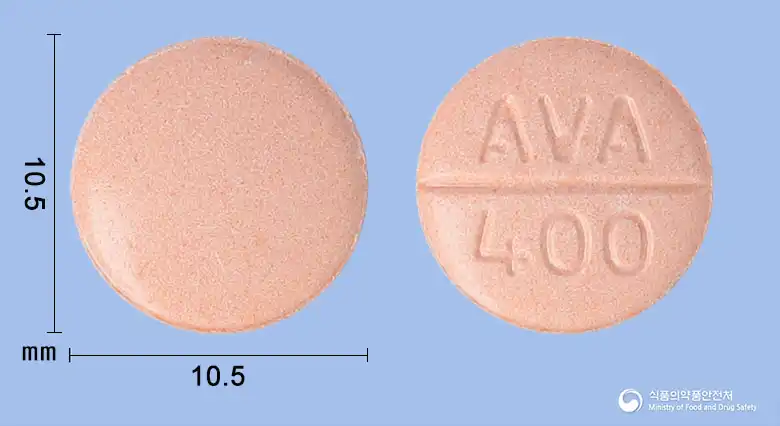
Acyclovir 400mg
Tablet · Prescription medication
Kyung dong Pharm Co., Ltd.
Acyclovir 50mg
Cream · OTC medication
Kyungdong Pharmaceutical Co., Ltd.
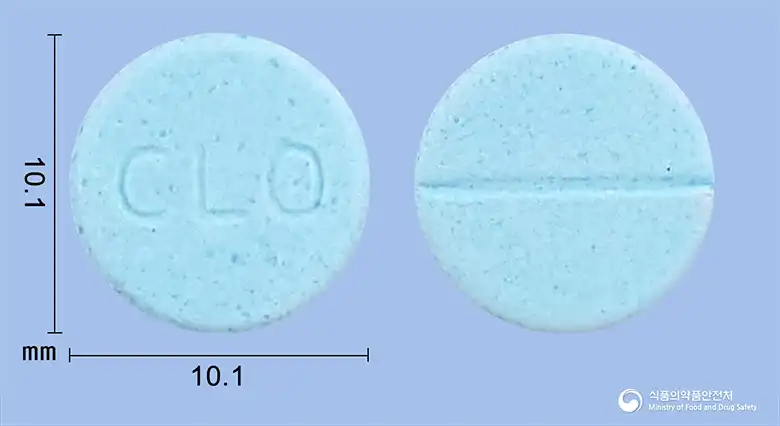
Acyclovir 200mg
Tablet · Prescription medication
Vivozon Pharmaceutical Co., Ltd.
Even with the same ingredient, the dose and directions can differ by strength and dosage form. Talk to a doctor or pharmacist before switching from a medication you are already taking.
No questions yet.
For anything that needs medical judgment, consult a doctor or pharmacist.
This drug information is based on data provided by the Korea Ministry of Food and Drug Safety.
Consult a doctor or pharmacist for accurate dosage, administration, and usage instructions.