한국어
 English
 日本語
 中文(简体)
 Viewing now
Bambec 10mg (Bambuterol Hydrochloride)
Bambuterol Hydrochloride 10mg
Tablet · Prescription medication
(Ltd.) Yuhan Corporation
MFDS item code 199400505 · Notified 1994.08.19 · Insurance code 642100580
Treatment of bronchial asthma and pulmonary diseases accompanied by bronchospasm (e.g., chronic bronchitis and emphysema)
This medication is used for bronchial asthma, chronic bronchitis accompanied by bronchospasm, emphysema, and other pulmonary diseases.
Adults: The usual dose of bambuterol hydrochloride is 10 mg once daily by mouth at bedtime. The dose may be increased to 20 mg after 1~2 weeks. The recommended initial dose for patients with renal impairment (GFR≤50 mL/min) is 5 mg.
This medication should not be used in certain patients. For example, patients who are allergic to this medicine or its ingredients, those who have recently experienced a heart attack, patients with certain heart diseases, children under 2 years of age, and lactose intolerant patients should not take this medication. Additionally, patients with severe cardiovascular diseases, hyperthyroidism, hypokalemia, severely impaired liver or kidney function, diabetic patients, and women who are pregnant or may become pregnant should use this medication with caution. This medication can often cause symptoms such as headache, trembling, and palpitations, and in rare cases, side effects like skin rash or muscle cramps may occur. Patients with poor liver function may have difficulty metabolizing this medication, so caution is needed, and it is advisable for them to regularly check blood potassium levels due to the risk of low potassium. Diabetic patients should monitor blood sugar as it may increase when taking this medication. Moreover, it is important to use this medication alongside anti-inflammatory agents for asthma treatment, and in case of worsening symptoms, they should consult a doctor instead of increasing the dosage. Patients with heart disease should seek immediate medical advice if they experience chest pain or worsening symptoms, and athletes should be cautious as this may affect doping tests. This medication can interact with other drugs, so caution is needed especially when used in combination with muscle relaxants, non-selective beta-blockers, diuretics, and diabetes medications. Women who are pregnant or breastfeeding are advised to avoid using this medication, and caution is necessary as it may have uterine contraction-inhibiting effects in late pregnancy. In case of overdose, serious symptoms such as nausea, vomiting, headache, arrhythmias, and changes in blood pressure may occur, and immediate medical attention should be sought, with treatment adjusted based on the severity of symptoms. Finally, this medication should be kept out of the reach of children, and it is safer and better for quality maintenance not to transfer it to another container.
Not everyone experiences these, and they can vary from person to person.
This medication is sensitive to air and moisture, so it should be stored in a tightly sealed container. Additionally, it is advisable to keep it away from direct sunlight and store it at room temperature.
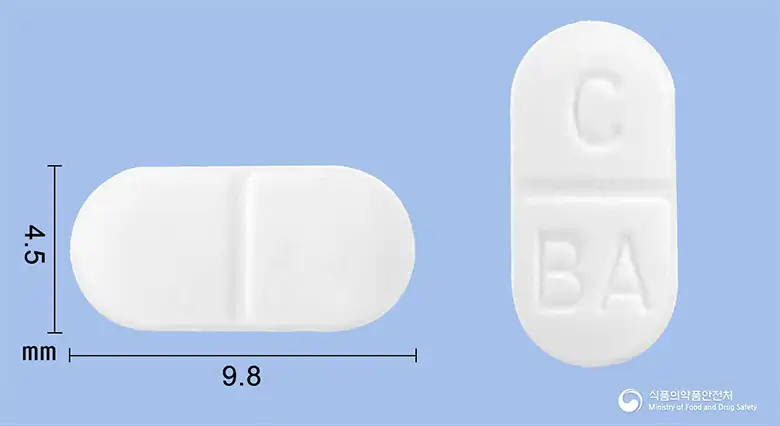
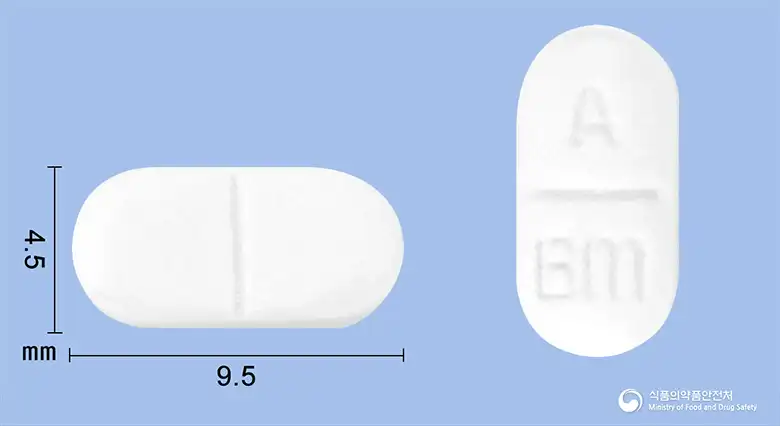
White to light yellowish elongated tablets.
30 tablets/bottle
Even with the same ingredient, strength, dosage form and how it is taken can differ.
Even with the same ingredient, the dose and directions can differ by strength and dosage form. Talk to a doctor or pharmacist before switching from a medication you are already taking.
No questions yet.
For anything that needs medical judgment, consult a doctor or pharmacist.
This drug information is based on data provided by the Korea Ministry of Food and Drug Safety.
Consult a doctor or pharmacist for accurate dosage, administration, and usage instructions.