
 한국어
 English
 日本語
 中文(简体)
 Viewing now
Gunilodine Sustained Release Tablet 600 mg (Unclassified Etodolac)
Etodolac Micronized 600mg
Tablet · Prescription medication
Gunil Pharmaceutical Co., Ltd.
MFDS item code 199400448 · Approved 1994.04.28 · Insurance code 646800120
Treatment of joint and spinal disorders (e.g., rheumatoid arthritis and osteoarthritis)
This medication is used for joint-related diseases such as rheumatoid arthritis, osteoarthritis, and ankylosing spondylitis.
Take 600mg (1 tablet) once daily.
This medication should be discussed with a doctor or pharmacist before use by individuals who regularly consume more than three drinks daily. This medication may cause gastrointestinal bleeding, posing risks especially for people who frequently consume alcohol. Caution is needed for individuals with a history of cardiovascular disease or risk factors, as this drug may increase cardiovascular risks. If any cardiovascular symptoms occur during use, seek medical attention immediately, as these symptoms can occur even in those without a prior medical history. Serious gastrointestinal issues such as gastrointestinal bleeding, ulcers, or perforations may arise, so elderly individuals or those with a history of gastrointestinal conditions should be particularly careful. If anyone experiences symptoms such as abdominal pain or bleeding, they must consult healthcare professionals immediately while taking this medication. Individuals with a history of peptic ulcers or bleeding or allergies to components of this medication should not use it. Those who have had allergic reactions to aspirin or other non-steroidal anti-inflammatory drugs should also avoid this medication. People with certain genetic lactose metabolism disorders should not take this medication. Patients with progressive kidney disease or impaired liver function must have their kidney and liver functions closely monitored while using this medication. Patients with hypotension, heart failure, or fluid retention should be cautious as side effects may occur. This medication can cause various side effects, including nausea, diarrhea, abdominal pain, headaches, drowsiness, skin rashes, or allergic reactions, so contact a doctor if abnormal symptoms arise. Long-term usage requires regular blood tests and monitoring of liver and kidney functions. During pregnancy, especially in late stages, it may pose a risk to the fetus, thus it should be avoided, and in the second trimester, it should only be used at the minimal dose and for the shortest duration. In breastfeeding cases, it is advisable to discontinue breastfeeding or the use of this medication as it may be excreted in breast milk. Safety for pediatric patients has not been established, and caution should be exercised with dosing in elderly patients. In the case of overdose, symptoms such as vomiting, drowsiness, or gastrointestinal bleeding could occur, and no specific antidote is available; seek appropriate treatment at a medical facility immediately. This medication should be kept out of reach of children and transferring it to another container may compromise its quality.
Gastrointestinal bleeding, nausea, diarrhea, upper abdominal pain, loss of appetite, hepatitis, jaundice, belching, elevated liver enzymes, heartburn, indigestion, bloating, abdominal pain, gastrointestinal spasms, abdominal gas accumulation, constipation, gastritis, blood in stool, thirst, dry mouth, ulcerative stomatitis, melena, vomiting, esophagitis accompanied by strictures or pyloric spasms, colitis, ischemic or ulcerative colitis, colonic ulcer, membranous colitis, pancreatitis, gastrointestinal bleeding, peptic ulcer, perforation, headache, dizziness, drowsiness, insomnia, nervous tension, anxiety, depression, asthenia, lethargy, somnolence, paralysis, coma, sensory disturbances, confusion, itching, rash, angioedema, sweating, urticaria, vesicular rash, subcutaneous vasculitis with purpura, Stevens-Johnson syndrome, hyperpigmentation, erythema multiforme, hair loss, skin desquamation, maculopapular rash, photosensitivity, nipple necrosis, chills, fever, fatigue, weakness, malaise, allergic reaction, anaphylactic reaction, infectious disease, dysuria, frequent urination, renal failure, renal dysfunction, renal papillary necrosis, cystitis, hematuria, leukorrhea, nephrolithiasis, interstitial nephritis, irregular uterine bleeding, blurred vision, lifespan, tinnitus, photophobia, transient visual disturbance, conjunctivitis, hearing loss, taste disturbance, hypotension, hypertension, congestive heart failure, flushing, tachycardia, palpitations, syncope, vasculitis, petechial bleeding, anemia, thrombocytopenia, prolonged bleeding time, agranulocytosis, hemolytic anemia, leukopenia, neutropenia, pancytopenia, arrhythmia, myocardial infarction, fluid retention, cerebrovascular accident, asthma, bronchitis, dyspnea, pharyngitis, rhinitis, sinusitis, venous inflammation, edema, elevated serum creatinine, weight changes, hyperglycemia, gastrointestinal bleeding, drowsiness, myalgia, precordial pain, epigastric pain, hypertension, acute renal failure, respiratory depression, coma
Not everyone experiences these, and they can vary from person to person.
This medication is sensitive to light and should be stored in a container that blocks light. Also, it should be kept at room temperature between 1°C and 30°C, avoiding excessively hot or cold environments.
Light gray rectangular film-coated tablets
40 tablets (8 tablets/PTP) x 5, 500 tablets/bottle
Even with the same ingredient, strength, dosage form and how it is taken can differ.
Viewing nowEtodolac Micronized 600mg
Tablet · Prescription medication
Gunil Pharmaceutical Co., Ltd.
Etodolac Micronized
Prescription medication
Geonil Pharmaceutical Co., Ltd.
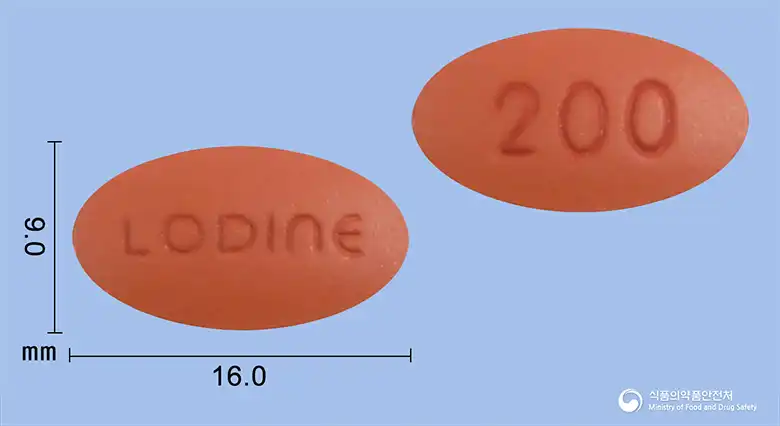
Etodolac Micronized 200mg
Tablet · Prescription medication
Kunil Pharmaceutical Co., Ltd.
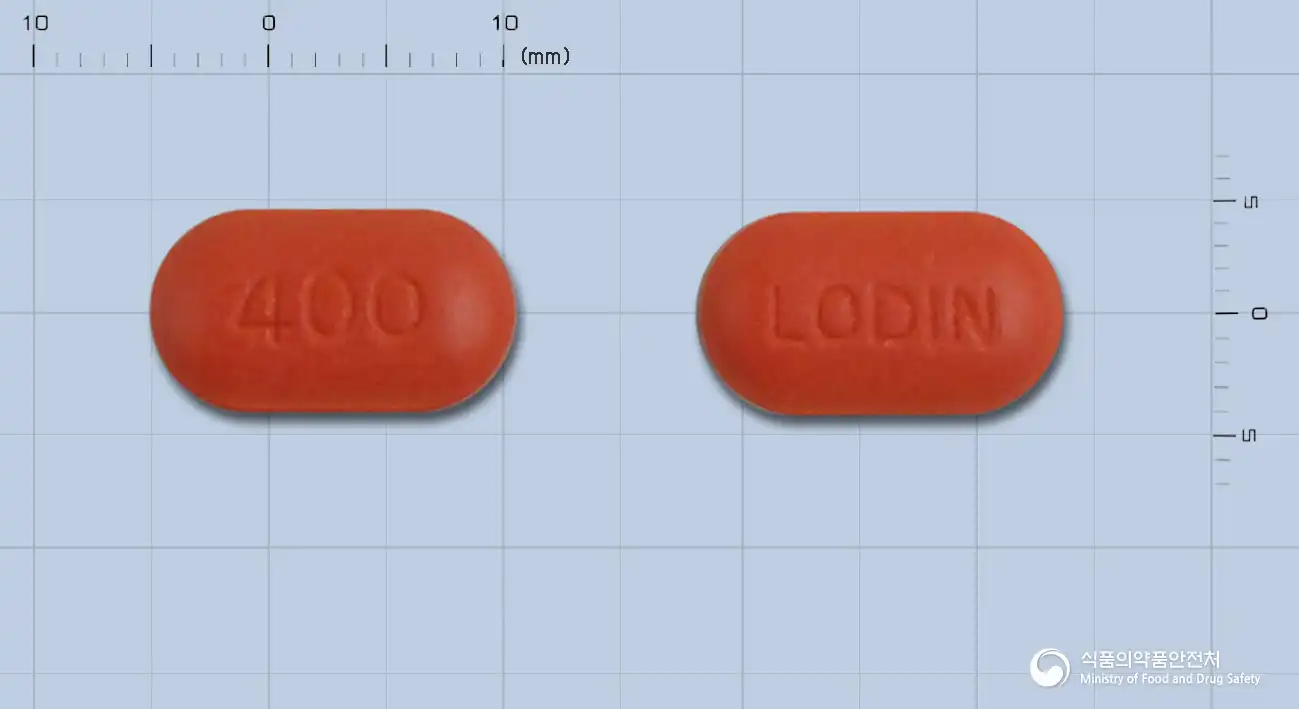
Etodolac Micronized 400mg
Tablet · Prescription medication
Geonil Pharmaceutical Co., Ltd.
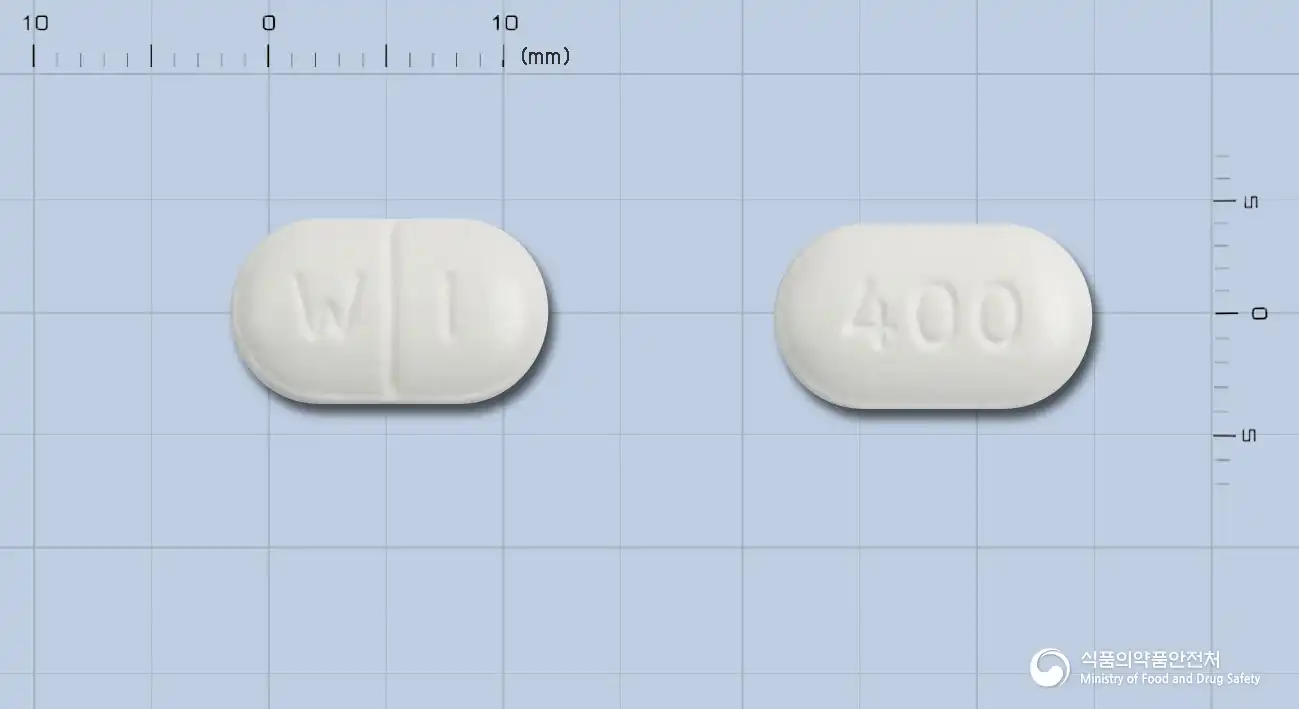
Etodolac Micronized 400mg
Tablet · Prescription medication
Hanin Pharmaceutical Co., Ltd.
Etodolac Micronized 200mg
Tablet · Prescription medication
Yuhan Corporation Co., Ltd.
Etodolac Micronized 200mg
Prescription medication
Huons Life Science Co., Ltd.
Even with the same ingredient, the dose and directions can differ by strength and dosage form. Talk to a doctor or pharmacist before switching from a medication you are already taking.
No questions yet.
For anything that needs medical judgment, consult a doctor or pharmacist.
This drug information is based on data provided by the Korea Ministry of Food and Drug Safety.
Consult a doctor or pharmacist for accurate dosage, administration, and usage instructions.