
 한국어
 English
 日本語
 中文(简体)
Dosage form image
Viewing nowSamik Sodium Fusidate Ointment
Sodium Fusidate 20mg
Ointment · OTC medication
Samik Pharmaceutical Co., Ltd.
MFDS item code 199302944 · Notified 1993.04.16
Treatment of pyoderma (such as impetigo and folliculitis) and secondary infections of burns and wounds
This medication is available in various forms including tablets, ointments, and patches, and is effective against several harmful bacteria including Staphylococcus. The tablet form is used for osteomyelitis, septicemia, endocarditis, cystic fibrosis, bronchial pneumonia, and various skin infections. The ointment is effective against various bacteria including Streptococcus, Corynebacterium, and Clostridium, and is used for several skin infections such as impetigo, infectious eczema, acne vulgaris, folliculitis, boils, suppurative hidradenitis, and for the treatment of secondary infections due to burns or trauma. The patch is also used for Staphylococcus infections and the treatment of secondary infections caused by pyoderma, burns, and wounds. These medications are effective in improving various bacterial infections related to skin infections.
(Tablets) ○ Adults: Administer 1~1.5g (potency) per day, expressed as fusidic acid, orally in 2~3 divided doses during meals. For severe infections, the dose may be increased up to twofold. Adjust the dose as appropriate according to age and symptoms. (Ointment) Clean the affected area, then apply an appropriate amount directly to the affected area 1~2 times daily, or spread it over sterile gauze and apply. Avoid applying a thick layer, and generally limit the treatment period to about 1 week. (Plaster) Clean the affected area, remove the backing paper, and apply 1 patch directly to the affected area once daily. Secure it with an appropriate piece of gauze or a bandage.
○ Children 6 years and older: Administer 20~40mg (potency) per kg of body weight per day in 3 divided doses.
This medication should not be used in patients with a history of hypersensitivity to fusidic acid or its salts. It is also advisable not to administer this medication to patients with urinary tract Staphylococcus infections. Patients with impaired liver function need to be cautious while using this medication and should have regular liver function tests. This medication can affect the gastrointestinal system, leading to symptoms like nausea, vomiting, diarrhea, loss of appetite, stomach pain, abdominal pain, and dyspepsia. It may also affect the blood, leading to symptoms such as granulocytopenia, thrombocytopenia, and bone marrow suppression. Long-term high-dose use may strain the liver, potentially leading to jaundice, and in such cases, dosage adjustment may be required. Allergic reactions, such as skin rashes, may rarely occur, so caution is advised. When using this medication, it is important to conduct susceptibility tests to prevent the development of resistant bacteria and to use the minimum required duration. For high doses or long-term use, liver function tests are recommended. Newborns or premature infants, due to immature liver function, require particular caution when administering this medication. Women who are pregnant or may become pregnant need to make careful judgments as this medication can cross the placenta. Nursing mothers should also be cautious as this medication can be transmitted through breast milk, and may need to discontinue breastfeeding or use it carefully. This medication may interact with other drugs, thus it is essential to consult a doctor when taking it together with anticoagulants, statins, HIV treatments, etc. Overdose may lead to liver dysfunction, jaundice, abdominal discomfort, diarrhea, etc. and appropriate treatment is required depending on the symptoms. When used topically, skin hypersensitivity may occur, so the skin condition should be closely monitored during use. Avoid long-term application over large areas of skin, and do not use around the eyes or for ophthalmic use. Store the medication in a sealed container to prevent air or moisture exposure, ideally at room temperature away from direct sunlight.
Not everyone experiences these, and they can vary from person to person.
This medication should be stored in a sealed container to prevent air or moisture from entering, and kept away from direct sunlight at a normal room temperature. Therefore, do not store it in excessively hot or cold areas; always keep it in a cool and dry place.
Colorless or pale yellow ointment
15g/tube
Even with the same ingredient, strength, dosage form and how it is taken can differ.
Sodium Fusidate 20mg
Ointment · OTC medication
Samik Pharmaceutical Co., Ltd.
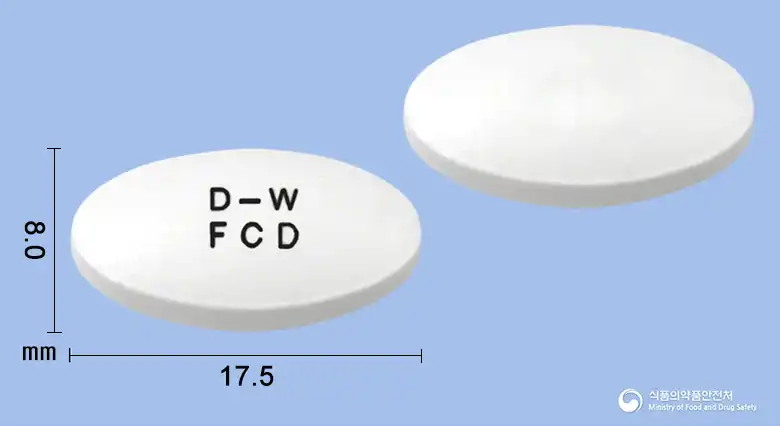
Sodium Fusidate 250mg
Tablet · Prescription medication
Dongwha Pharmaceutical Co., Ltd.
Sodium Fusidate 20mg
Ointment · OTC medication
Dongwha Pharmaceutical Co., Ltd.
Sodium Fusidate 20mg
Ointment · OTC medication
(Company) Green Cross
Sodium Fusidate 20mg
Ointment · OTC medication
SK Chemical Co., Ltd.
Sodium Fusidate
OTC medication
Dongku Bio Pharmaceutical Co., Ltd.
Sodium Fusidate
OTC medication
Teragen Etex Co., Ltd.
Sodium Fusidate 20mg
Ointment · OTC medication
Taeguk Pharmaceutical Co., Ltd.
Even with the same ingredient, the dose and directions can differ by strength and dosage form. Talk to a doctor or pharmacist before switching from a medication you are already taking.
No questions yet.
For anything that needs medical judgment, consult a doctor or pharmacist.
This drug information is based on data provided by the Korea Ministry of Food and Drug Safety.
Consult a doctor or pharmacist for accurate dosage, administration, and usage instructions.