
 한국어
한국어 English
 日本語
日本語 中文(简体)
 Viewing now
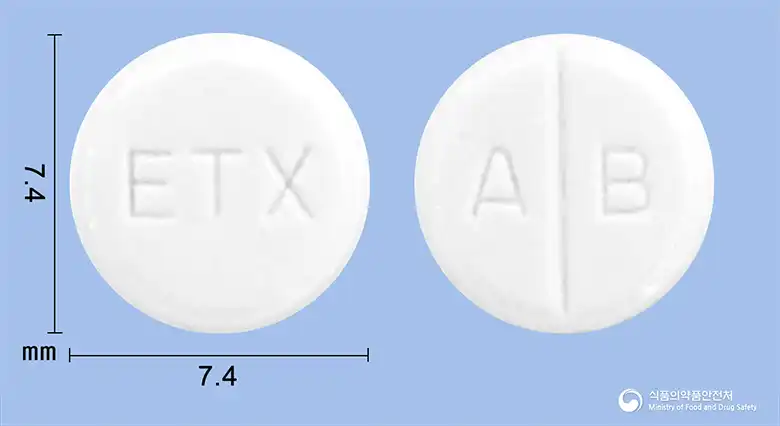
Itex Ambroxol Tablets (Ambroxol Hydrochloride)
Ambroxol Hydrochloride 30mg
Tablet · OTC medication
Teragen Itex Co., Ltd.
MFDS item code 199302175 · Notified 1993.05.06 · Insurance code 698500140
Treatment of acute and chronic bronchitis and asthmatic bronchitis (mucus secretion disorders)
This medication is used to treat acute and chronic respiratory diseases caused by mucus secretion disorders, such as acute or chronic bronchitis and asthmatic bronchitis.
As Ambroxol Hydrochloride, take 30 mg three times a day. For continuous treatment, take 30 mg twice a day.
This medication contains the artificial sweetener aspartame, which is broken down into phenylalanine in the body. Therefore, patients with the hereditary condition phenylketonuria should not take this medication. The daily allowable amount of aspartame is limited to less than 40 mg per kg of body weight, so for a 60 kg adult, it is safe to take a maximum of 2.4 g per day. People who are allergic to this medication or its components should not take it. Patients with severely impaired kidney or liver function should also avoid this medication. If this medication contains sorbitol, those with fructose intolerance should avoid it, and patients with genetic conditions such as galactose intolerance, lactase deficiency, or glucose-galactose malabsorption should not take this medication as it contains lactose. Patients with kidney disease or peptic ulcers should consult with a doctor or pharmacist before taking this medication. Pregnant women are advised to avoid this medication, especially during the first three months of pregnancy, and nursing mothers are also not recommended to take it as the medication may be transferred through breast milk. Elderly patients may have reduced physical function, so caution is needed to adjust the dosage. If serious symptoms such as skin rash, itching, heat sensation, or mucosal damage occur while taking this medication, discontinue use immediately and consult a specialist. Moreover, gastrointestinal symptoms such as nausea, vomiting, diarrhea, dyspepsia, abdominal pain, heartburn, as well as allergic reactions, shortness of breath, and facial swelling can occur, so caution is advised. This medication may increase the concentration of antibiotics in the bronchi and sputum when taken with certain antibiotics, so it is essential to inform your healthcare provider of any medications you are currently taking. No specific symptoms have been reported in the case of overdose, but if unusual reactions occur, consult with a healthcare professional immediately, and treatment will proceed based on the symptoms. There are no reports indicating this medication affects driving or machine operation, but caution is advised as individual differences may exist. This medication should be stored out of reach of children, kept tightly closed in a cool, dry place away from direct sunlight, and it should not be transferred to another container as this may lead to a risk of misuse or degradation of quality.
Hives, angioedema, anaphylactic shock including anaphylactic reactions, facial swelling, shortness of breath, mucosal syndrome (Stevens-Johnson syndrome), toxic epidermal necrolysis (Lyell's syndrome)
Not everyone experiences these, and they can vary from person to person.
If taken with antibiotics such as erythromycin, cephalexin, oxytetracycline, amoxicillin, cefuroxime, and doxycycline, this medication should be discussed with a doctor or pharmacist.
This medication should be stored in a sealed container to avoid exposure to air or moisture, and it is important to keep the storage temperature at room temperature. Storing it this way will help maintain the medication's effectiveness for a longer time.
White round tablet
For domestic use - 1000 tablets/bottle, for export - 100 tablets/box [(10 tablets/PTP × 10)]
Even with the same ingredient, strength, dosage form and how it is taken can differ.
Viewing nowAmbroxol Hydrochloride 30mg
Tablet · OTC medication
Teragen Itex Co., Ltd.
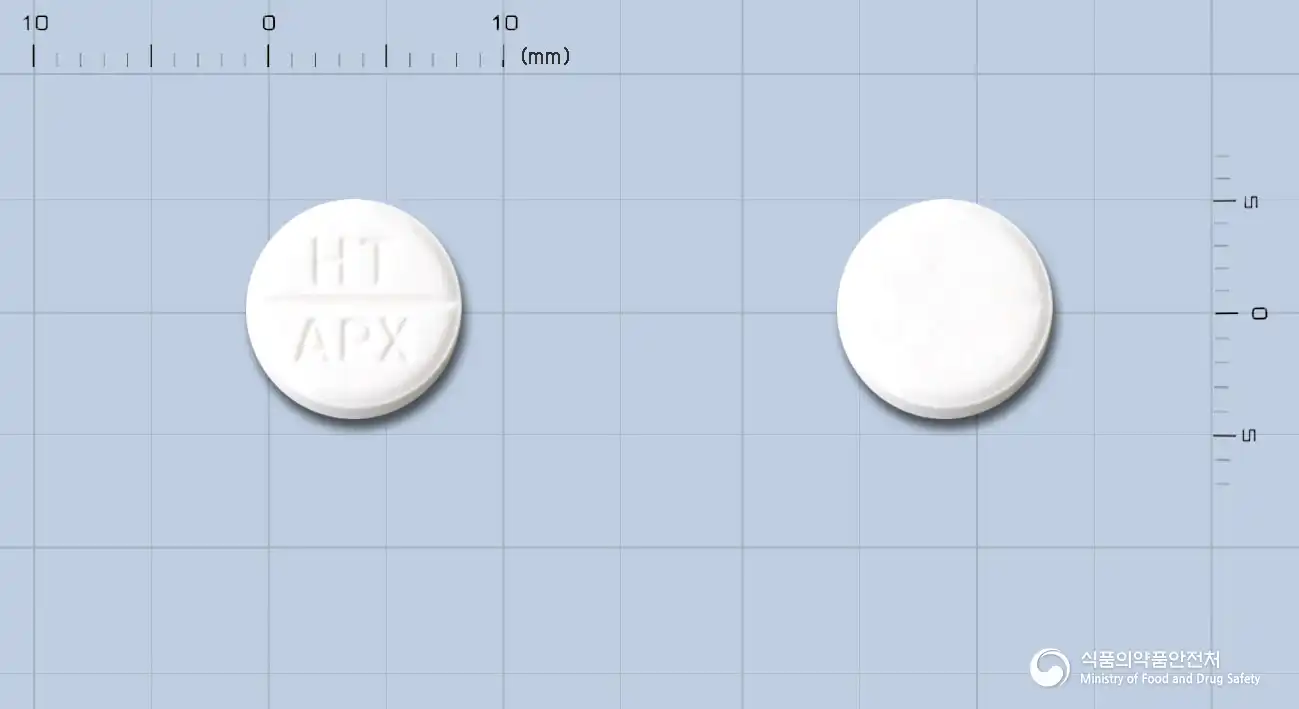
Ambroxol Hydrochloride 30mg
Tablet · OTC medication
Hanmi Pharmaceutical Co., Ltd.
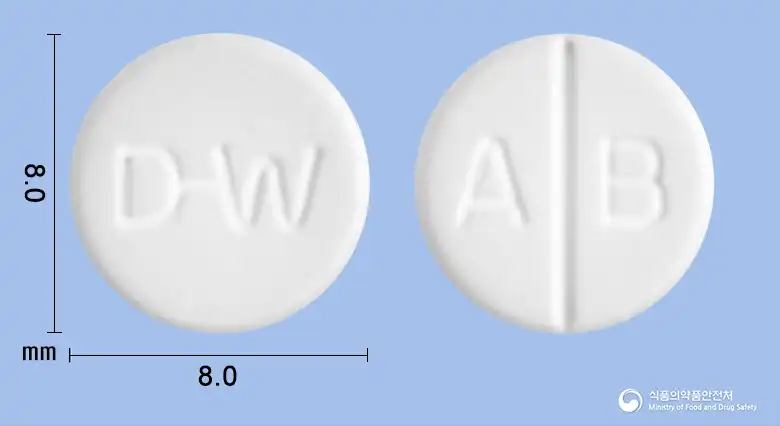
Ambroxol Hydrochloride 30mg
Tablet · OTC medication
Dongwha Pharmaceutical Co., Ltd.
Ambroxol Hydrochloride 15mg
Prescription medication
Aju Pharmaceuticals Co., Ltd.
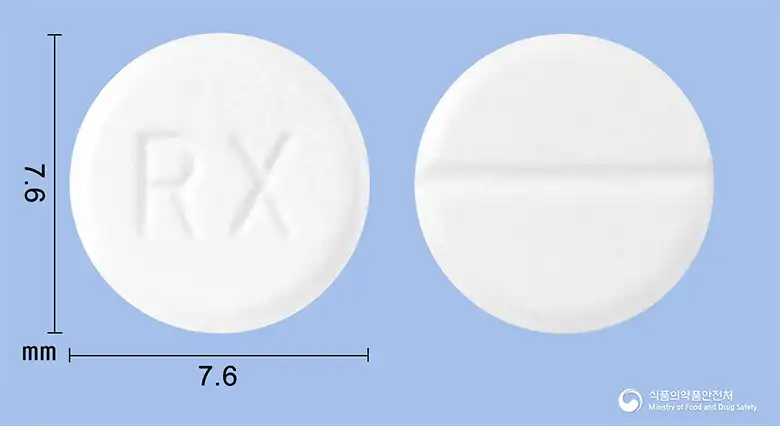
Ambroxol Hydrochloride 30mg
Tablet · OTC medication
Sama Pharmaceutical Co., Ltd.
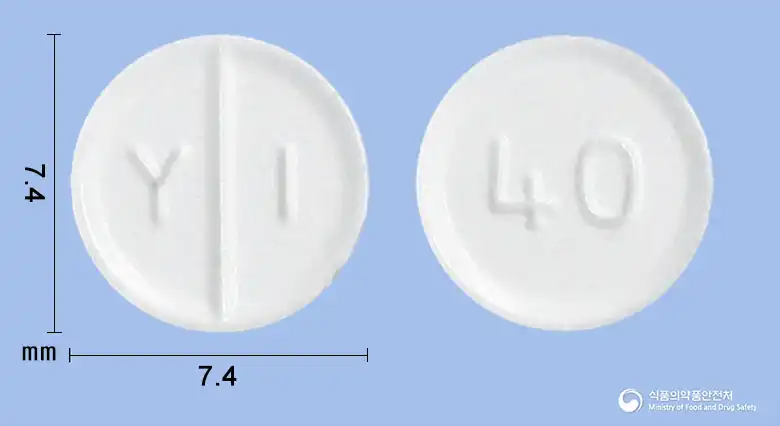
Ambroxol Hydrochloride 30mg
Tablet · OTC medication
Youngil Pharmaceutical Co., Ltd.
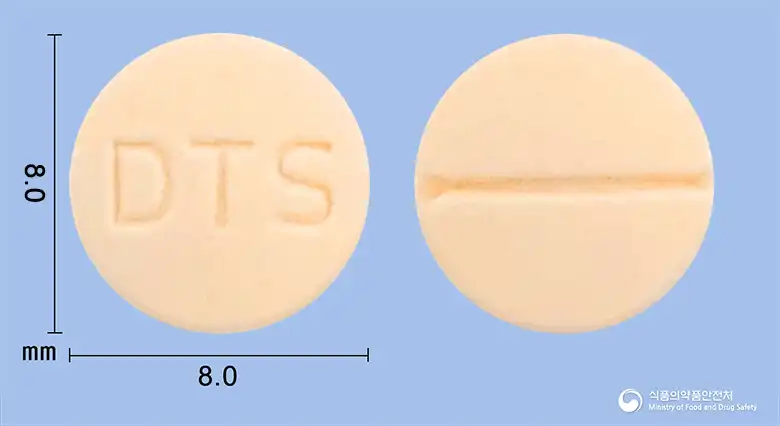
Ambroxol Hydrochloride 30mg
Tablet · OTC medication
Guju Pharmaceutical Co., Ltd.
Ambroxol Hydrochloride 15mg
Prescription medication
Dongkwang Pharmaceutical Co., Ltd.
Even with the same ingredient, the dose and directions can differ by strength and dosage form. Talk to a doctor or pharmacist before switching from a medication you are already taking.
No questions yet.
For anything that needs medical judgment, consult a doctor or pharmacist.
This drug information is based on data provided by the Korea Ministry of Food and Drug Safety.
Consult a doctor or pharmacist for accurate dosage, administration, and usage instructions.