
 한국어
 English
 日本語
 中文(简体)
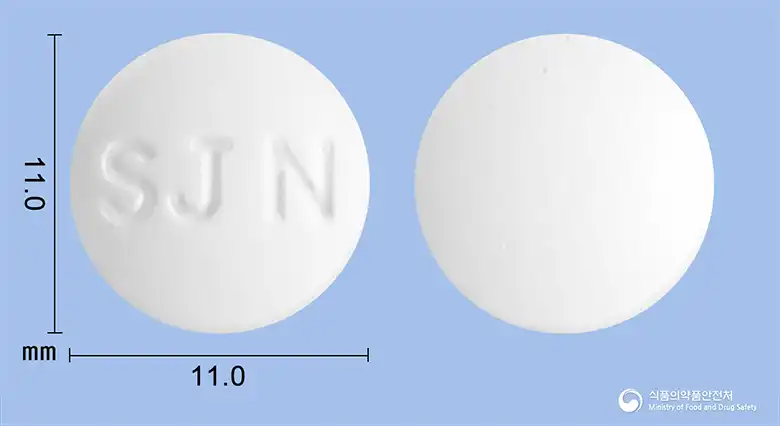 Viewing now
Samjin Nimodipine Tablet
Nimodipine 30mg
Tablet · Prescription medication
Samjin Pharmaceutical Co., Ltd.
MFDS item code 199301653 · Notified 1993.07.29 · Insurance code 647800720
Prevention and treatment of neurodisorders associated with cerebrovascular spasm; improvement of cerebral dysfunction (memory impairment, etc.)
This medication is used to prevent and treat ischemic neurological disorders due to vasospasm following subarachnoid hemorrhage caused by aneurysms. It also helps improve various symptoms such as lack of concentration, memory deterioration, depression, and anxiety caused by cerebrovascular problems. In other words, it is effective in restoring neurological function after cerebrovascular damage and alleviating various symptoms of brain dysfunction.
Swallow without chewing with a small amount of liquid, with or without food. 1. Ischemic neurologic disorders due to cerebral vasospasm: After administering nimodipine injection for 5-14 days after hemorrhage, administer 60 milligrams of nimodipine per dose orally every 4 hours, 6 times daily for 7 days. 2. Cerebral dysfunction: Administer 30 milligrams of this medicine per dose 3 times daily. Maintain an interval of at least 4 hours between doses. Do not use the oral and injectable preparations concomitantly. Adjust the dose appropriately according to age and symptoms.
This medication should not be used in patients with known allergies to this drug or its components. It is safe not to administer to pregnant or potentially pregnant women and breastfeeding women. Patients with severely impaired liver function, such as those with cirrhosis, should not receive this medication as its effects may be excessive. Additionally, patients taking rifampicin or certain anticonvulsants (phenobarbital, phenytoin, carbamazepine) may experience reduced efficacy, so concurrent use is not recommended. This medication contains lactose, so it should not be given to patients with lactose intolerance or genetic lactose metabolic disorders. Caution is required when using this medication in patients with cerebral edema or increased intracranial pressure, as well as those with impaired liver or kidney function, due to the risk of side effects like hypotension, which may require dose adjustments. It should also be used cautiously in patients with hypotension. As this medication is metabolized by a specific enzyme (cytochrome P450 3A4) in the liver, drug interactions with other medications that inhibit or activate this enzyme may lead to changes in drug concentration, resulting in side effects or reduced efficacy. Dizziness can occur during treatment with this medication, so caution is necessary when driving or performing hazardous activities. Gastrointestinal symptoms such as nausea, gastrointestinal discomfort, constipation, or diarrhea may occur, and liver function test values may temporarily increase. Central nervous system symptoms may include headaches, dizziness, drowsiness, insomnia, and anxiety. Cardiovascular reactions have also been reported, including hypotension, arrhythmias, and edema. In the case of overdose, symptoms may include severe hypotension, arrhythmias, and nausea, and immediate discontinuation and medical attention are necessary. Safety during pregnancy has not been established, and since this medication can be transmitted through breast milk, it is advisable to avoid administration or to suspend breastfeeding if possible. The safety and efficacy in children have not been sufficiently studied. Elderly patients or those with compromised cardiac and renal function require careful observation and dose adjustments when using this medication. Taking this medication with grapefruit juice may increase blood concentration and risk of side effects, so grapefruit juice should be avoided.
Not everyone experiences these, and they can vary from person to person.
This medication is sensitive to light and should be stored in a special container that does not allow light to enter. Additionally, it is best to store the medication at room temperature, avoiding extremely hot or cold locations.
White to yellowish round film-coated tablet
For domestic use - 500 tablets/bottle, For domestic use - 100 tablets/box [10 tablets/PTP*10], For export - 60 tablets/box [10 tablets/PTP*6], For export - 30 tablets/box [10 tablets/PTP*3]
Even with the same ingredient, strength, dosage form and how it is taken can differ.
Viewing nowNimodipine 30mg
Tablet · Prescription medication
Samjin Pharmaceutical Co., Ltd.
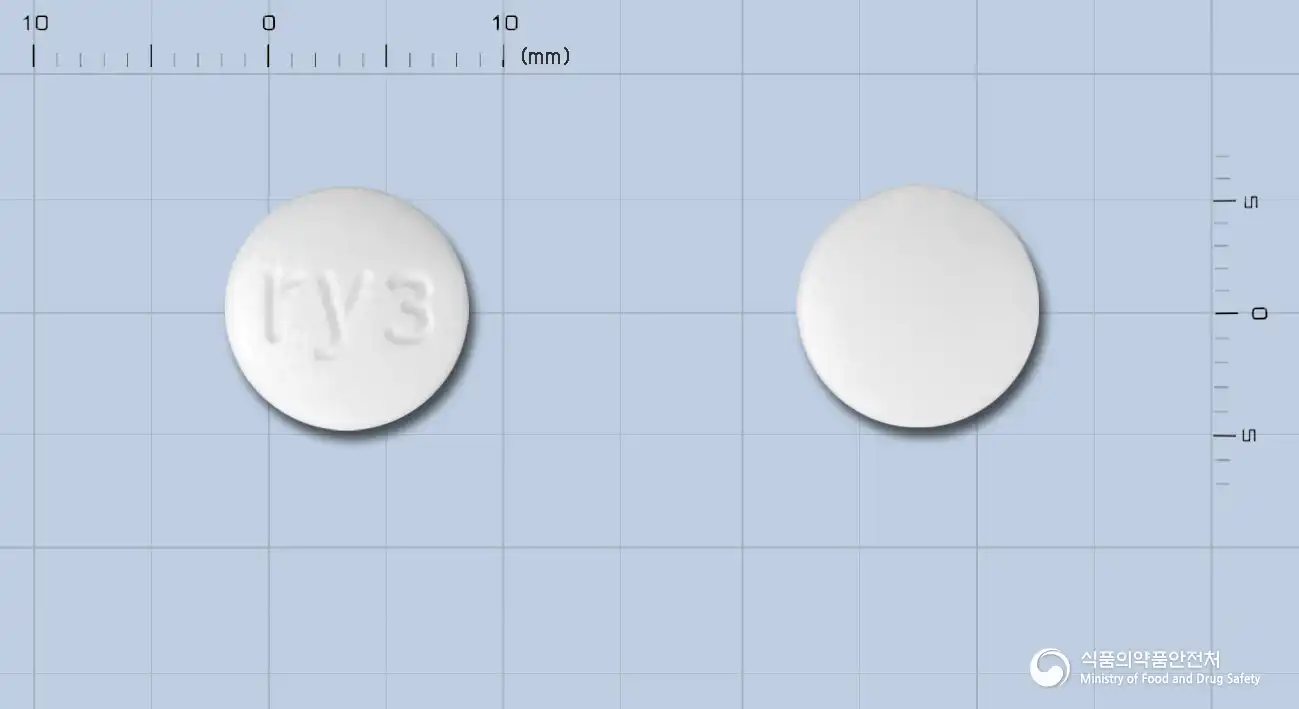
Nimodipine 30mg
Tablet · Prescription medication
Iyeon Pharmaceutical Co., Ltd.
Nimodipine 0.2mg
Injections · Prescription medication
Iyeon Pharmaceutical Co., Ltd.
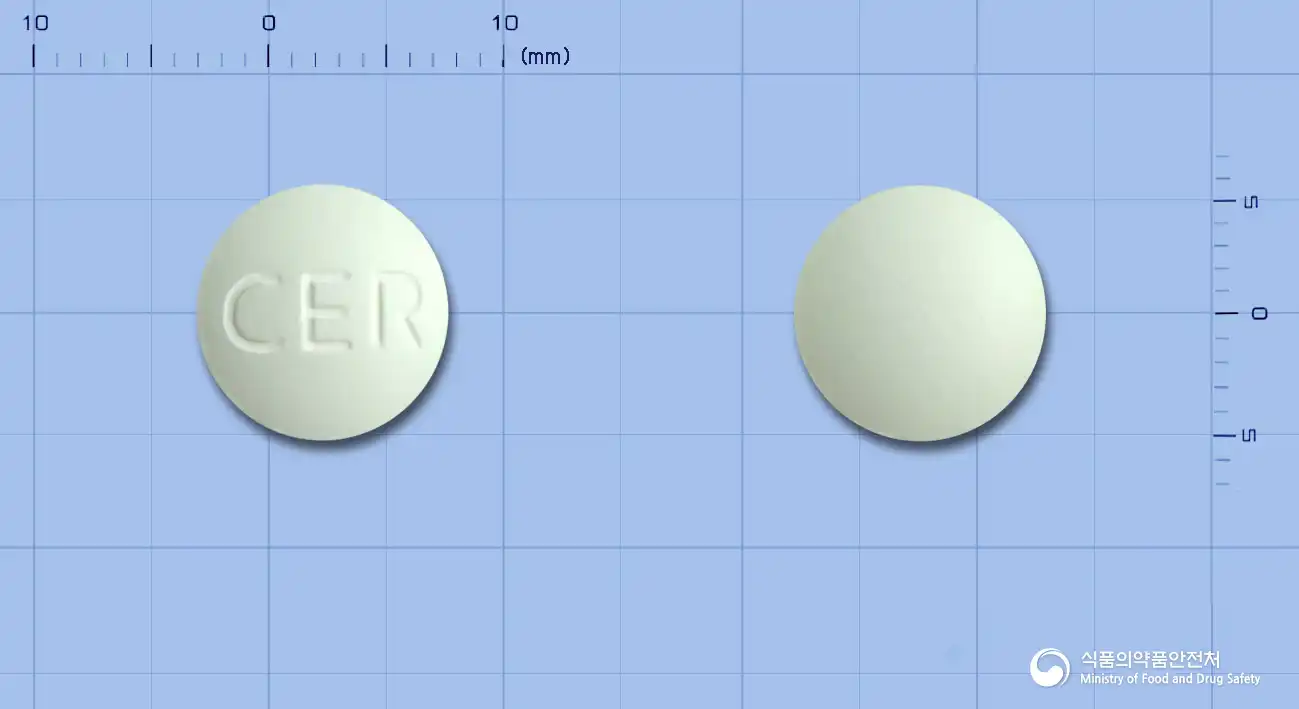
Nimodipine 30mg
Tablet · Prescription medication
Youngpoong Pharmaceutical Co., Ltd.
Even with the same ingredient, the dose and directions can differ by strength and dosage form. Talk to a doctor or pharmacist before switching from a medication you are already taking.
No questions yet.
For anything that needs medical judgment, consult a doctor or pharmacist.
This drug information is based on data provided by the Korea Ministry of Food and Drug Safety.
Consult a doctor or pharmacist for accurate dosage, administration, and usage instructions.