
 한국어
한국어 English
 日本語
日本語 中文(简体)
 Viewing now
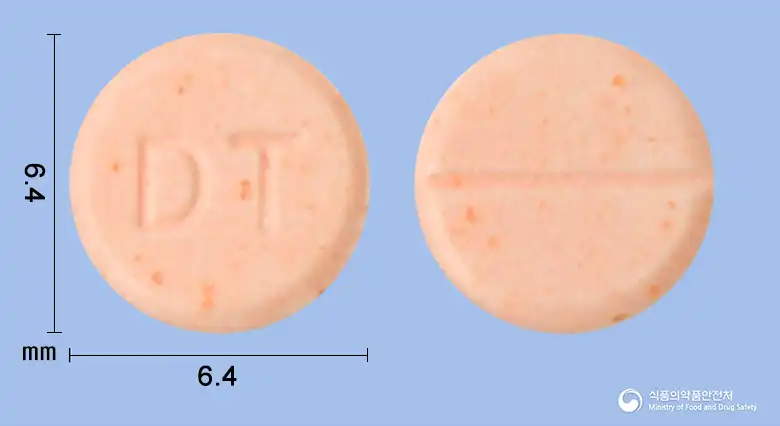
Pumatifen Tablets (Ketotifen Fumarate)
Ketotifen Fumarate 1.38mg
Tablet · Prescription medication
(Co., Ltd.) Donggu Bio Pharmaceutical
MFDS item code 199301392 · Notified 1993.03.29 · Insurance code 657303680
Prevention and treatment of bronchial asthma (asthma symptoms) and allergic diseases (rhinitis, skin diseases)
This medication is used to prevent asthma symptoms caused by bronchial asthma and allergic bronchitis. It is also effective for the prevention and treatment of allergic rhinitis, atopic dermatitis, urticaria, and other allergic skin diseases, as well as systemic allergic diseases. Overall, it helps alleviate and prevent various allergy-related symptoms.
For adults, administer 1 mg of Ketotifen orally, twice daily (morning and evening meals). For those over 10 years old, a dose of up to 2 mg may be given if necessary. Begin the first week of treatment with 0.5 mg twice daily or 1 mg at bedtime, gradually increasing to 2 mg per day. Adjust according to age and symptoms.
For children over 3 years old, administer 1 mg of Ketotifen orally, twice daily (morning and evening meals).
This medication should not be used in certain patients. Do not take this medication if you have had an allergy or hypersensitivity to this medicine or its ingredients in the past. Caution is advised for patients with convulsive disorders such as epilepsy, as this medication may induce seizures. This medication cannot replace corticosteroids used in asthma treatment and should not be used solely as an asthma therapy. Women who are breastfeeding should refrain from taking this medication, and if unavoidable, should stop breastfeeding. Patients taking oral hypoglycemic agents should be cautious as this medication may reduce platelet counts when used together. Patients with genetic metabolic disorders such as fructose intolerance should not take this medication due to certain ingredients in some formulations. This medication contains lactose, so individuals with a genetic disorder that reduces lactose breakdown ability should not take it. When administering this medication, caution must be taken not to abruptly discontinue existing medications in patients receiving asthma treatment. Patients who are steroid-dependent should gradually reduce their dosage to avoid adrenal insufficiency. Additionally, patients with allergy to the ingredient Yellow No. 5 contained in this medication should take it with caution. Taking this medication may cause side effects such as drowsiness, dizziness, dry mouth, excitement, and insomnia. Especially in children, central nervous system symptoms like excitation, irritability, and insomnia may occur more frequently, necessitating observation. Rare side effects such as severe skin reactions or liver function abnormalities have also been reported. When taking this medication for the first time, caution should be exercised during operation of machinery or driving as reaction time may be slower. If a patient has been on long-term steroid treatment, caution is needed to avoid adrenal insufficiency when changing or tapering off to this medication. If accompanied by infections, appropriate antibacterial treatment should be instituted. This medication does not suppress already occurring seizures, and this should be clearly communicated to the patient. Seasonal allergy patients are advised to start taking the medication prior to a worsening of symptoms and to continue until symptoms resolve. When discontinuing the medication, it should be gradually reduced over 2-4 weeks to minimize side effects. This medication may reduce platelet counts when taken with hypoglycemic agents, so blood tests should be conducted to monitor this. Additionally, when taken with sedatives, sleep aids, antihistamines, or alcohol, their effects may become more potent, necessitating dose adjustments. Food intake does not affect the absorption of this medication. The safety of this medication during pregnancy is not well established, so it should only be taken when absolutely necessary. Women who are breastfeeding should preferably not take this medication, as it may be secreted in breast milk, and if unavoidable, should discontinue breastfeeding. Children and infants may experience central nervous system symptoms such as seizures or excitation, so careful observation during administration is required. Dosing in children may differ from adults depending on weight, so guidelines from a healthcare professional should be followed. Elderly patients do not require significant dose adjustments, but caution is advised as their physiological function may be impaired. In cases of overdose, symptoms such as drowsiness, confusion, headache, severe sedation, seizures, and respiratory depression may occur, necessitating immediate medical attention. If seizures occur, prompt drug treatment and monitoring of cardiac function is required. This medication may interfere with allergy skin reaction tests, so it is advisable to discontinue use for at least 3-5 days prior to testing. This medication should be kept out of reach of children and stored in its original container to maintain quality.
Not everyone experiences these, and they can vary from person to person.
This medication should be stored in a tightly sealed container to prevent air from entering, and it is best to keep it at room temperature, avoiding extreme heat or cold. This will help maintain the efficacy of the medication for a longer period.
Light yellowish-brown round tablets
30 tablets/bottle, 100 tablets/bottle, 300 tablets/bottle
Even with the same ingredient, strength, dosage form and how it is taken can differ.
Viewing nowKetotifen Fumarate 1.38mg
Tablet · Prescription medication
(Co., Ltd.) Donggu Bio Pharmaceutical
Ketotifen Fumarate 27.6mg
Prescription medication
Dong Sung Pharmaceutical Co., Ltd.
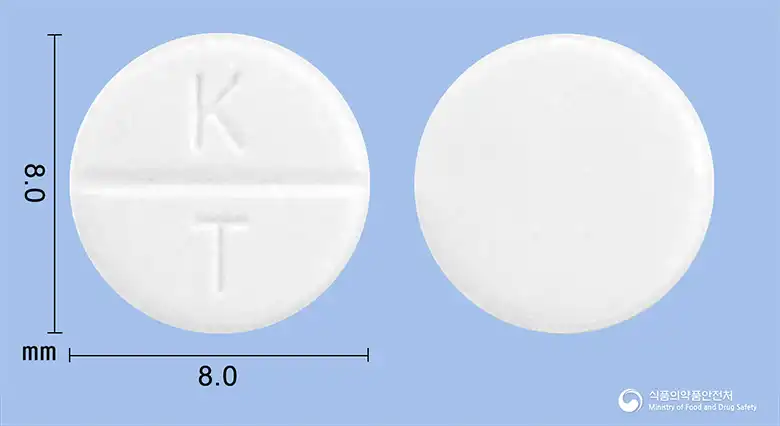
Ketotifen Fumarate 1.38mg
Tablet · Prescription medication
Youngpoong Pharmaceutical Co., Ltd.
Ketotifen Fumarate 27.6mg
Prescription medication
Daewon Pharmaceutical Co., Ltd.
Ketotifen Fumarate 27.6mg
Prescription medication
Youngpoong Pharmaceutical Co., Ltd.
Ketotifen Fumarate 27.6mg
Syrup · Prescription medication
Daewoo Pharmaceutical Co., Ltd.
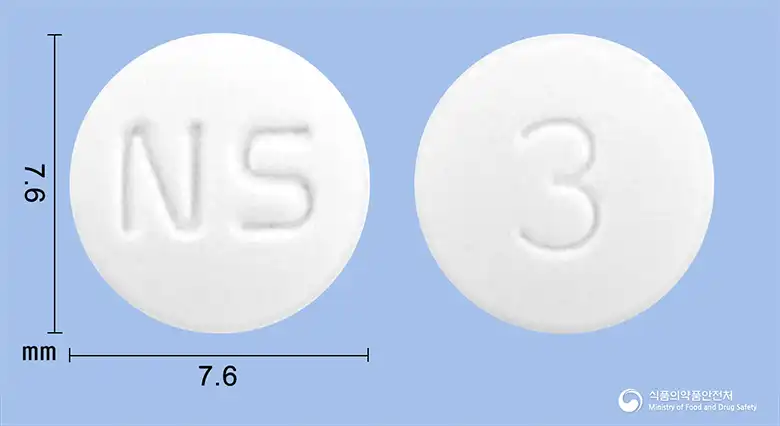
Ketotifen Fumarate 1.38mg
Tablet · Prescription medication
Korea Nelson Pharm Co., Ltd.
Ketotifen Fumarate 27.6mg
Prescription medication
(Co., Ltd.) Aprofgen Biologics
Even with the same ingredient, the dose and directions can differ by strength and dosage form. Talk to a doctor or pharmacist before switching from a medication you are already taking.
No questions yet.
For anything that needs medical judgment, consult a doctor or pharmacist.
This drug information is based on data provided by the Korea Ministry of Food and Drug Safety.
Consult a doctor or pharmacist for accurate dosage, administration, and usage instructions.