
 한국어
한국어 English
 日本語
日本語 中文(简体)
Dosage form image
Viewing nowBicarb (Sodium Bicarbonate)
Sodium Bicarbonate 1g
Prescription medication
Vantiv Korea Co., Ltd.
MFDS item code 199203294 · Notified 1992.11.21 · Insurance code 646601631,646601641
Efficacy in preparing dialysis solution for acute and chronic renal failure and detoxification of toxic substances
This medicine is used to prepare dialysis solution for patients with acute and chronic renal failure undergoing dialysis. It is also used as a dialysis solution for patients with toxic substance poisoning, aiding in detoxification. Therefore, it plays a crucial role in the treatment of renal failure and toxic substance poisoning.
1. When using the specified acetate-containing dialysis solution (Solution A), this formulation can create approximately 180L of bicarbonate-type dialysis solution containing 38mEq/L of HCO3-. 2. It is used as dialysis solution during hemodialysis with a dilution ratio of 1:34 for acetate-containing dialysis solution (Solution A) (this product + purified water). 3. Single-use dialysis solution per patient (based on 6 hours)
This medicine should not be used in patients with low blood pressure and rapid pulse. It is also contraindicated in patients with pulmonary edema or abnormalities in ECG, high potassium levels in the blood, and those with coagulation issues. Caution is advised for patients with severe liver dysfunction or specific metabolic disorders due to severe diabetes. Patients taking digitalis preparations are at risk of drug toxicity due to low blood potassium levels, so caution is necessary. If serum calcium and phosphorus levels are high before dialysis, there is a risk of calcification due to the use of this medicine. Patients with insufficient caloric intake or dietary restrictions due to diabetes are at risk of hypoglycemia, so care should be taken. Hypoglycemic symptoms may appear during or after dialysis, and appropriate measures such as glucose injection or sugar supply should be taken immediately if symptoms occur. If hypercalcemia is suspected, the dialysis solution should be adjusted as blood calcium levels may increase. Osteoporosis, osteomalacia, and other bone-related complications can occur, so administering active vitamin D3 may be advisable if necessary. If calcification occurs, phosphate binders should be used to keep serum phosphorus levels within the normal range. If symptoms of dialysis disequilibrium syndrome, such as headache, nausea, vomiting, or seizures, occur, measures such as reducing the dialysis rate may be necessary. This medicine is used for blood dialysis in patients with chronic renal failure, particularly when improvement of metabolic acidosis is insufficient or when dialysis management is difficult due to low blood pressure. It is suitable for patients with metabolic disorders as a dialysis solution that does not contain glucose, and regular blood tests to monitor electrolyte and acid-base balance are important. The use of this medicine should be cautious in pregnant women or women of childbearing potential, only being used when the therapeutic benefits outweigh the risks. Safety in children has not been established, so caution is necessary in usage. Elderly patients may have a risk of bone complications with long-term use, so regular examinations and appropriate treatment are necessary. An appropriate water level of purified water should be used for dialysis dilution, and care should be taken to avoid dialysis membrane damage or bleeding risk. When preparing, do not directly mix this solution with the electrolyte solution for hemodialysis, and adhere to the specified dilution concentration. Dilution that is too high or low may lead to side effects such as headache, abnormal blood pressure, or altered consciousness, so the concentration must be verified. It is advisable to check the electrolyte concentration and pH of the dialysis solution before use, and it should be used immediately after dilution. This solution should not be used for injection or peritoneal lavage, and the dialysis solution should be maintained at body temperature.
Not everyone experiences these, and they can vary from person to person.
This medicine should be stored in a tightly sealed container to prevent exposure to air or moisture, and the temperature should be kept below 40 degrees Celsius for safe use. Therefore, it is advisable to store it in a cool place away from direct sunlight.
White crystals or crystalline powder in a polypropylene container
650 grams/container, 720 grams/container
Even with the same ingredient, strength, dosage form and how it is taken can differ.
Sodium Bicarbonate 1g
Prescription medication
Vantiv Korea Co., Ltd.
Sodium Bicarbonate 84mg
Injections · Prescription medication
Dae Won Pharmaceutical Co., Ltd.
Sodium Bicarbonate 84mg
Injections · Prescription medication
Jeil Pharmaceutical Co., Ltd.
Sodium Bicarbonate 7g
Solution · Prescription medication
JW Pharmaceutical Corp.
Sodium Bicarbonate 5.83g
Solution · Prescription medication
JW Pharmaceutical Corp.
Sodium Bicarbonate 1g
Prescription medication
Fresenius Medical Care Korea Co., Ltd.
Sodium Bicarbonate 84mg
Injections · Prescription medication
Daehan Pharmaceutical Industry Co., Ltd.
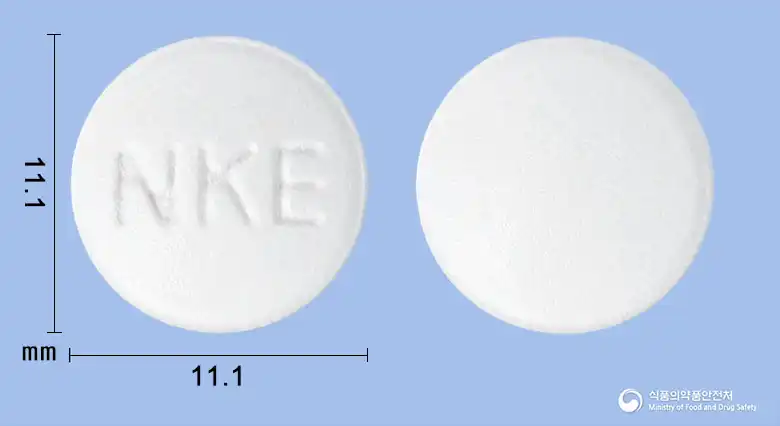
Sodium Bicarbonate 500mg
Tablet · OTC medication
NexPharm Korea Co., Ltd.
Even with the same ingredient, the dose and directions can differ by strength and dosage form. Talk to a doctor or pharmacist before switching from a medication you are already taking.
No questions yet.
For anything that needs medical judgment, consult a doctor or pharmacist.
This drug information is based on data provided by the Korea Ministry of Food and Drug Safety.
Consult a doctor or pharmacist for accurate dosage, administration, and usage instructions.