
 한국어
 English
 日本語
 中文(简体)
 Viewing now
Imuran Tablets (Azathioprine)
Azathioprine 50mg
Tablet · Prescription medication
Samil Pharmaceutical Co., Ltd.
MFDS item code 199203272 · Notified 1992.09.25 · Insurance code 643901310
Prevention of transplant rejection after kidney transplantation; treatment of autoimmune diseases
This medication is used to suppress the rejection reactions that may occur after kidney transplantation and to improve the symptoms of autoimmune diseases.
After kidney transplantation: Initially, administer 3-5mg/kg of body weight per day of azathioprine, followed by a maintenance dose of 0.5-2mg/kg of body weight orally. For a creatinine clearance of 20mL/min or less, the daily dose should not exceed 1.5mg/kg of body weight. Autoimmune diseases: For the treatment of diseases other than chronic active arthritis, administer 2.0-2.5mg/kg of body weight per day. For the treatment of chronic active arthritis, administer 1.0-1.5mg/kg of body weight per day. The tolerated and effective doses vary among patients, so the dose should be carefully adjusted to achieve the optimal therapeutic effect. Consider discontinuing treatment if the condition has not improved after 12 weeks. Adjust the dose appropriately according to age and symptoms.
This medication should not be used in certain patients. For example, patients who have hypersensitivity to this medication or mercaptopurine or those who have previously taken alkylating agents should not take this medication. Additionally, patients with severe problems in the liver, kidneys, or bone marrow, or those with severe infections or pancreatitis should not take this medication. Patients with very low white blood cell counts should also be cautious, as this medication may further reduce their white blood cell count. This medication contains lactose, so patients with a genetic inability to digest lactose should not take it. Patients with decreased bone marrow function, infections, or those at risk of bleeding should use this medication cautiously, and patients with liver or kidney issues may need to reduce their dosage. Patients with chickenpox or those taking allopurinol, as well as pregnant women or women who might become pregnant, should also exercise caution when using this medication. This medication suppresses immune function, which may increase the risk of infections, and it can rarely cause severe skin reactions, liver damage, or blood abnormalities. Regular blood tests and liver function tests are necessary during treatment, and any unusual symptoms should be reported to a physician immediately. Furthermore, this medication may increase the risk of tumor formation with prolonged use, so adequate explanation and caution are necessary regarding this. When taking this medication, avoid exposure to ultraviolet light and have regular skin examinations. Patients with certain genetic variations may be more sensitive to this medication, so genetic testing may be considered before starting treatment. During pregnancy, it may affect the fetus, so women who might become pregnant should use it cautiously, and breastfeeding mothers may need to stop nursing or administering the medication. Children and elderly patients should have their kidney and liver functions closely monitored, and dosage adjustments may be necessary. In cases of overdose, the risk of infection and bleeding due to bone marrow suppression increases, and symptoms such as nausea, vomiting, and diarrhea may appear, requiring immediate medical attention. This medication should be stored out of the reach of children and should be kept in its original container for safety. Lastly, this medication may affect vaccination due to its immunosuppressive action, and there are many drug interactions; therefore, it is important to consult with a physician or pharmacist if other medications are being taken.
Viral infection, fungal infection, bacterial infection, progressive multifocal leukoencephalopathy, lymphoproliferative disorders, skin cancer, sarcoma, cervical intraepithelial neoplasia, acute myeloid leukemia, myelodysplastic syndrome, hepatosplenic T-cell lymphoma, leukopenia, bone marrow suppression, thrombocytopenia, anemia, neutropenia, pancytopenia, aplastic anemia, megaloblastic anemia, erythropoietic failure, hypersensitivity, Stevens-Johnson syndrome, toxic epidermal necrolysis, reversible pneumonia, nausea, pancreatitis, colitis, diverticulitis, intestinal perforation, severe diarrhea, cholestasis, worsening of liver function, life-threatening liver damage, hair loss, acute febrile neutrophilic dermatosis, photosensitivity reaction, pellagra, abnormal liver function tests, oropharyngeal ulcer, contusion, hemorrhage, vomiting, diarrhea, mild leukopenia, mild liver function abnormality, elevated AST, elevated ALT, elevated bilirubin, renal dysfunction, intrauterine growth retardation, preterm birth, low birth weight, leukopenia, thrombocytopenia, pregnancy-related cholestasis, localized pigmented rash, gastroenteritis, cognitive decline, macrophage activation syndrome, non-cirrhotic portal hypertension, portal vein thrombosis
Not everyone experiences these, and they can vary from person to person.
This medication should be stored in a sealed container to prevent air and moisture from entering. Additionally, it is important to keep it away from direct sunlight and stored in a cool and dry place below 25 degrees Celsius. This will help maintain the medication's efficacy and safety for a longer duration.
Yellow round film-coated tablet
100 tablets/PTP[(25 tablets / PTP x 4)]
Even with the same ingredient, strength, dosage form and how it is taken can differ.
Viewing nowAzathioprine 50mg
Tablet · Prescription medication
Samil Pharmaceutical Co., Ltd.

Azathioprine 50mg
Tablet · Prescription medication
Handok Teva Co., Ltd.
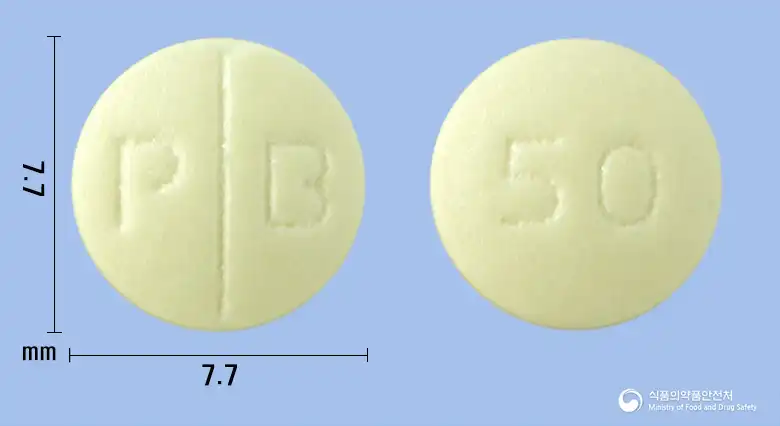
Azathioprine 50mg
Tablet · Prescription medication
Korea Pharmbio Co., Ltd.
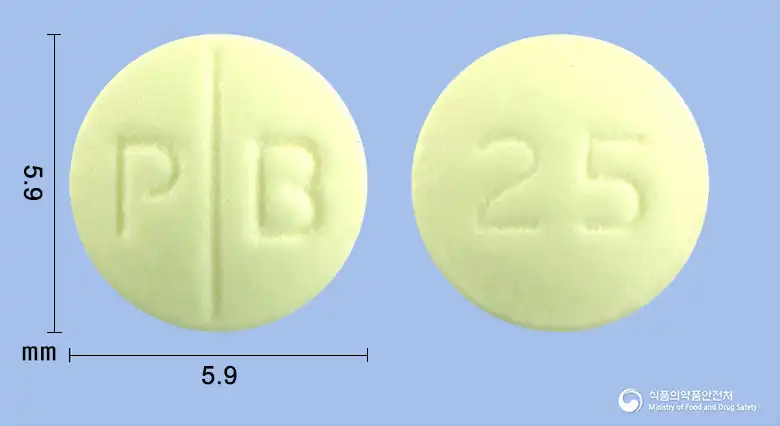
Azathioprine 25mg
Tablet · Prescription medication
Korea Pharmbio Co., Ltd.
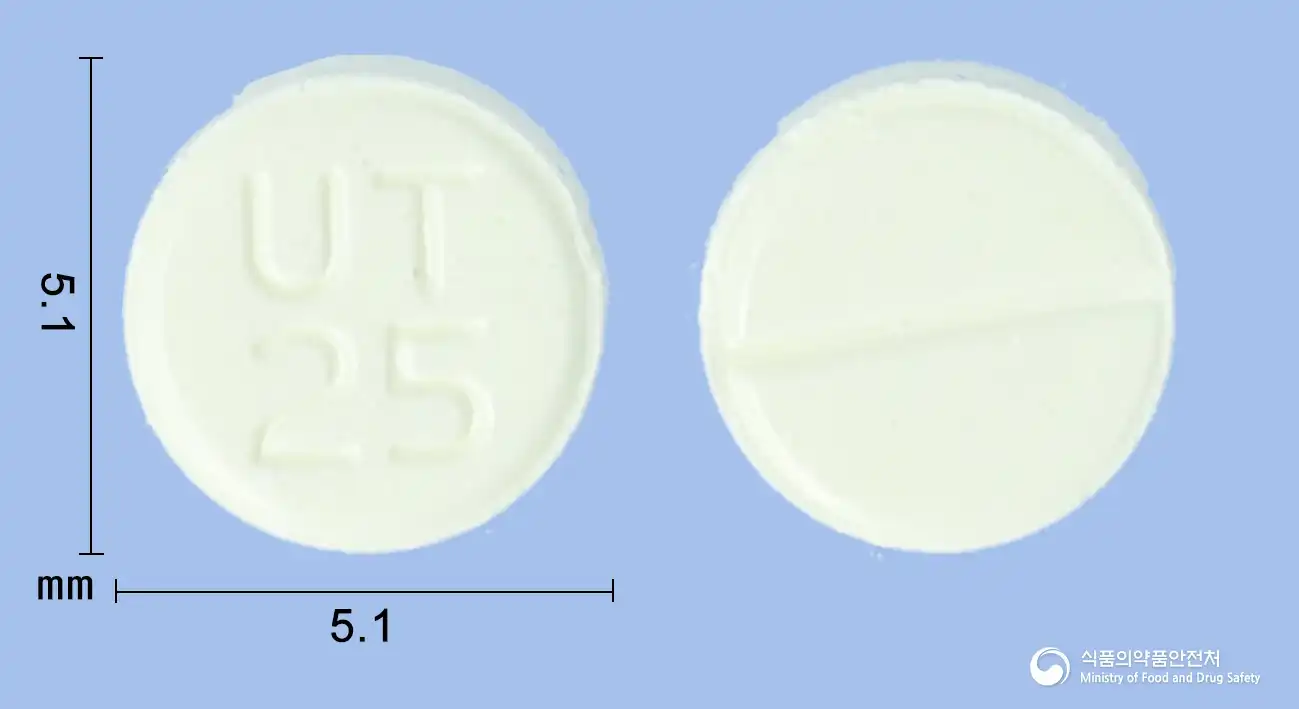
Azathioprine 25mg
Tablet · Prescription medication
Korea United Pharm Inc.
Azathioprine 50mg
Tablet · Prescription medication
Macknulty Pharmaceutical Co., Ltd.
Azathioprine 25mg
Tablet · Prescription medication
McNulty Pharmaceutical Co., Ltd.
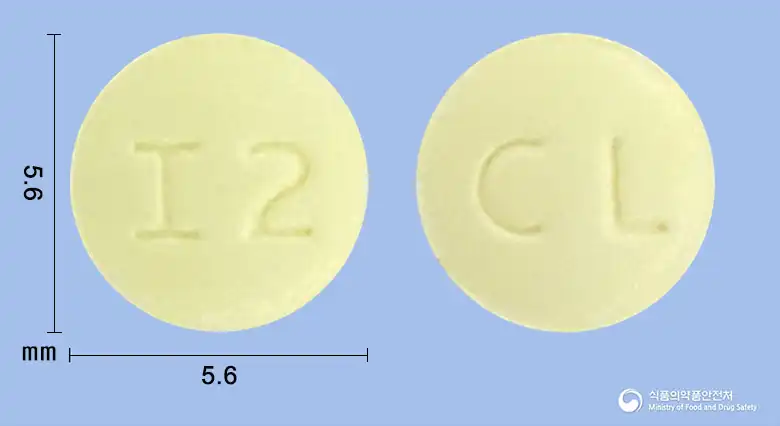
Azathioprine 25mg
Tablet · Prescription medication
Celltrion Pharmaceutical Co., Ltd.
Even with the same ingredient, the dose and directions can differ by strength and dosage form. Talk to a doctor or pharmacist before switching from a medication you are already taking.
No questions yet.
For anything that needs medical judgment, consult a doctor or pharmacist.
This drug information is based on data provided by the Korea Ministry of Food and Drug Safety.
Consult a doctor or pharmacist for accurate dosage, administration, and usage instructions.