
 한국어
 English
 日本語
 中文(简体)
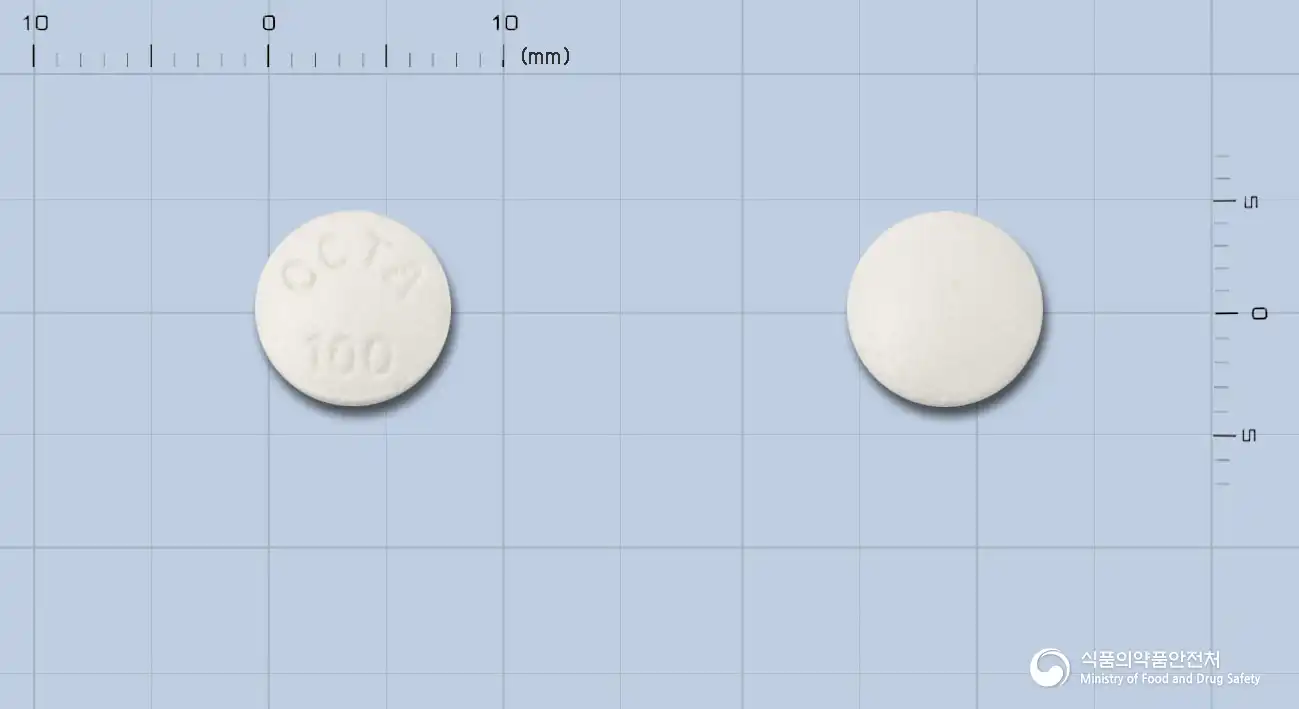 Viewing now
Oktasin Tablet (Ofloxacin)
Ofloxacin 100mg
Tablet · Prescription medication
Unimed Pharmaceutical Co., Ltd.
MFDS item code 199202946 · Notified 1992.07.06 · Insurance code 649501940
Treatment of various bacterial infections (urinary tract, respiratory tract, skin, etc.); combination therapy for leprosy
This medication is an antibiotic effective against various bacteria, used for infections caused by different types of bacteria including staphylococcus, streptococcus, and Escherichia coli. It is effective for complicated skin and soft tissue infections, acute and chronic otitis media, sinusitis, pneumonia, and acute exacerbations of chronic obstructive pulmonary disease. Additionally, it is used to treat bacterial infections in various areas including acute pyelonephritis, cystitis, prostatitis, urethritis, enteritis, endometritis, and eye-related infections. However, this drug should only be used when other treatment options are unavailable due to the possibility of significant adverse reactions. It is important to consult with a specialist based on the patient's symptoms and medical history. This medication helps treat complicated bacterial infections.
Adults: The usual dose is 300~600 mg of ofloxacin per day, divided into 2~3 doses. For Hansen’s disease, the dose is 400~600 mg of this medicine per day, divided into 2~3 doses. In principle, it should be used in combination with other anti-leprosy drugs. The dose may be adjusted appropriately according to age and symptoms.
This medication can cause serious side effects such as tendinitis or tendon rupture, and it should be discontinued immediately if such symptoms appear. Additionally, this medication can lead to peripheral neuropathy and central nervous system adverse reactions, so caution should be taken if sensory abnormalities or neurological symptoms occur. This medication should not be used in patients with myasthenia gravis as it may worsen symptoms. This medication is restricted to specific bacterial infections, such as acute bacterial non-sinusitis, acute exacerbation of chronic bronchitis, uncomplicated urinary tract infections, and acute otitis media. Elderly patients, those with kidney dysfunction, solid organ transplant recipients, and patients taking corticosteroids should avoid this medication due to an increased risk of tendon rupture when combined. This medication can trigger seizures, so patients with a history of epilepsy or seizures should use it cautiously and discontinue immediately if seizures occur. It should not be used in pregnant or potentially pregnant women, nursing mothers, or growing children and adolescents. During treatment, patients should avoid strong sunlight or artificial ultraviolet exposure, and discontinue use if rash or photosensitivity reactions occur. This medication can cause various side effects, including skin rash, impaired liver function, kidney problems, gastrointestinal disorders, blood disorders, central nervous system issues, and respiratory issues, so patients should consult a doctor if any abnormal symptoms arise. Diabetic patients on blood sugar control should carefully monitor their blood sugar levels due to risks of hypoglycemia or hyperglycemia. This medication may interact with other drugs, especially anticoagulants, certain anti-inflammatory medications, antihypertensives, and antacids, so it is important to consult a doctor when used in combination. Patients should ensure sufficient fluid intake while taking this medication and avoid driving or operating dangerous machinery if experiencing dizziness or drowsiness. In case of overdose, seek medical attention immediately, as this medication cannot be completely removed by hemodialysis. Store in a location out of reach of children and do not transfer to another container for safety.
Not everyone experiences these, and they can vary from person to person.
Store the medication in a tightly sealed container to prevent air and moisture from entering. This will help maintain the medication's effectiveness for a longer period.
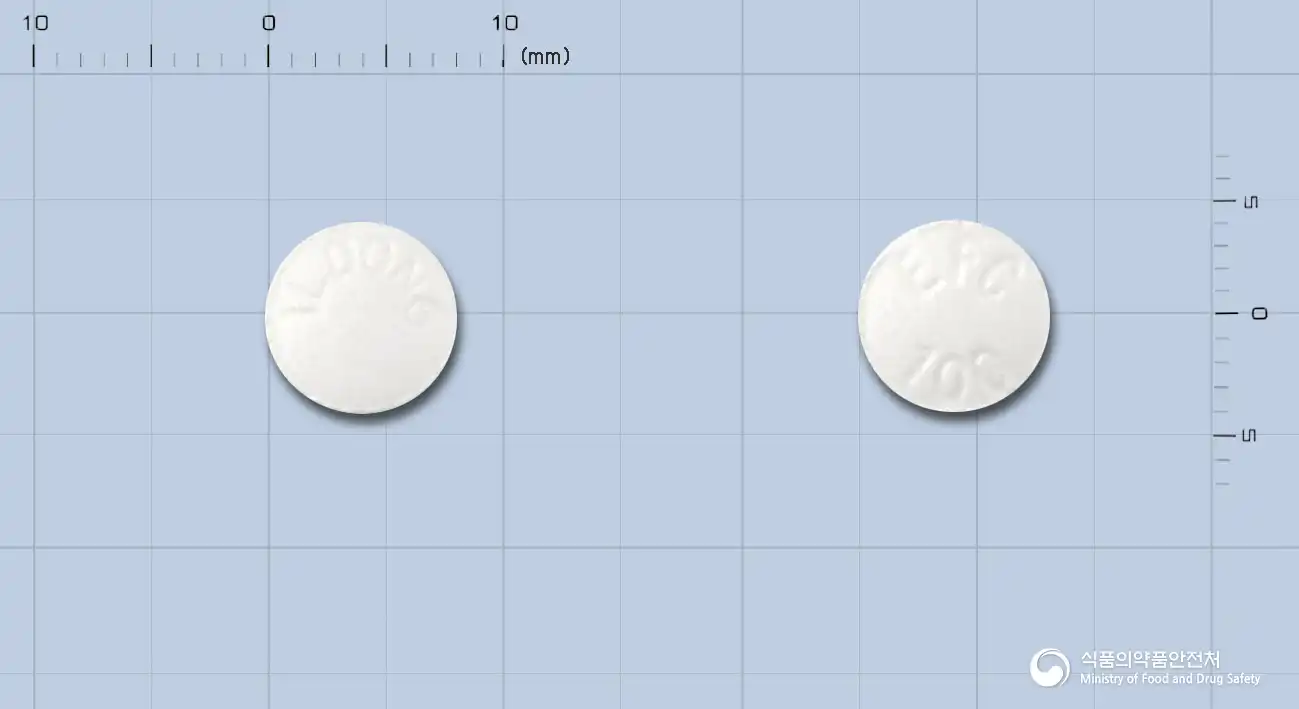
White round film-coated tablet
30 tablets/bottle, 200 tablets/bottle
Even with the same ingredient, strength, dosage form and how it is taken can differ.
Viewing nowOfloxacin 100mg
Tablet · Prescription medication
Unimed Pharmaceutical Co., Ltd.
Ofloxacin 100mg
Tablet · Prescription medication
Cejal Pharmaceutical Co., Ltd.
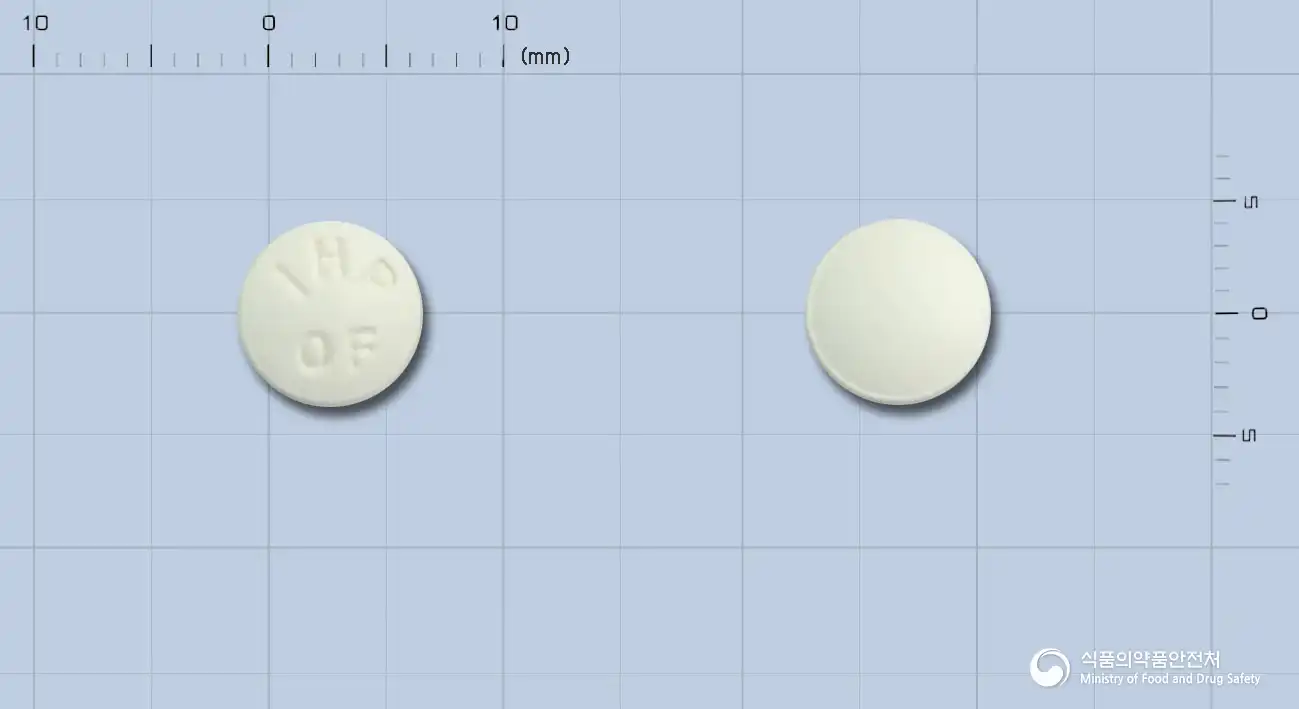
Ofloxacin 100mg
Tablet · Prescription medication
Ilhwa
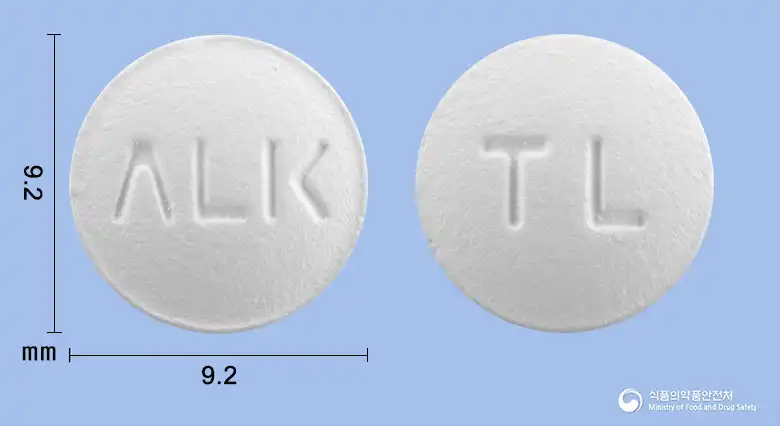
Ofloxacin 100mg
Tablet · Prescription medication
Alvogen Korea Co., Ltd.
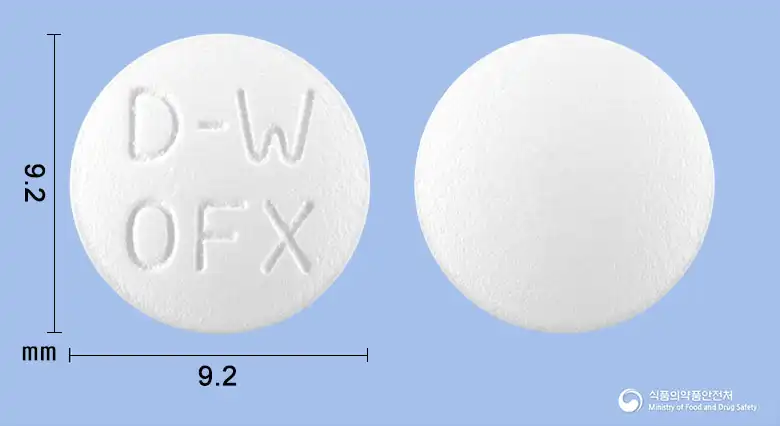
Ofloxacin 100mg
Tablet · Prescription medication
Donghwa Pharmaceutical Co., Ltd.
Ofloxacin
Prescription medication
Gujoo Pharmaceutical Co., Ltd.
Ofloxacin 200mg
Tablet · Prescription medication
Jeil Pharmaceutical Co., Ltd.
Ofloxacin 100mg
Tablet · Prescription medication
Il Dong Pharmaceutical Co., Ltd.
Even with the same ingredient, the dose and directions can differ by strength and dosage form. Talk to a doctor or pharmacist before switching from a medication you are already taking.
No questions yet.
For anything that needs medical judgment, consult a doctor or pharmacist.
This drug information is based on data provided by the Korea Ministry of Food and Drug Safety.
Consult a doctor or pharmacist for accurate dosage, administration, and usage instructions.