
 한국어
 English
 日本語
 中文(简体)
Summary
- Main use
- Treatment of cholesterol gallstones and improvement of biliary dyspepsia
- Who takes it
- Adults
- Adult dose
- 1. Cholelithiasis: Administer 500 ∼ 750 mg per day orally as the magnesium salt trihydrate of chenodeoxycholic acid-ursodeoxycholic acid, with or after meals. 2. Biliary dyspepsia: Administer 250 ∼ 500 mg per day orally as this drug, with or after meals.
Ingredients
- Manufacturer
- Myungmoon Pharmaceutical Co., Ltd.
Efficacy & effects
Treatment of cholesterol gallstones and improvement of biliary dyspepsia
- Cholesterol gallstones
- gallstones
- residual or recurrent gallstones after biliary surgery
- bile dyspepsia
View approved original textHide original text
This drug is used for the treatment of cholesterol gallstones occurring in patients with normal gallbladder function, especially for those who have residual or recurrent stones after biliary surgery. It also helps to alleviate symptoms of dyspepsia due to bile secretion disorders. By relieving uncomfortable symptoms caused by gallstones and improving digestive function, it contributes to improving the quality of life for patients. Its efficacy and safety have been confirmed through clinical trials, making it a reliable treatment option. This medication is used for the treatment of cholesterol gallstones and bile dyspepsia.
How to take
Adult dose
1. Cholelithiasis: Administer 500 ∼ 750 mg per day orally as the magnesium salt trihydrate of chenodeoxycholic acid-ursodeoxycholic acid, with or after meals. 2. Biliary dyspepsia: Administer 250 ∼ 500 mg per day orally as this drug, with or after meals.
Precautions
This medication should not be administered to patients with gallstones or biliary-related diseases. In particular, it should be avoided in patients with obstructive jaundice, severe liver disease, or kidney disease. It should also not be given to those with allergies to this medication or its components, pregnant or breastfeeding women, and children. Patients with severe biliary obstruction, acute cholecystitis, peptic ulcer, or inflammatory bowel diseases like Crohn's disease should be cautious as this drug may exacerbate their symptoms. Women of childbearing age must use appropriate contraceptive methods while taking this medication, and if pregnancy is confirmed, they must discontinue it immediately. Patients with severe pancreatic disease or those with gallstones in the bile ducts should also use this drug with caution as bile flow disturbances may occur. Caution is also needed in cases of severe liver disease with bleeding, hepatic coma, or ascites. Taking this medication may occasionally lead to gastrointestinal symptoms such as diarrhea, and liver function test results may temporarily increase. These symptoms usually improve with time or by reducing the dose. Additionally, there may be rare cases of gallstones undergoing calcification. During treatment, it is important to monitor bile cholesterol levels, and liver function tests should be performed after 3 weeks and every 3 months. Furthermore, ultrasound or cholecystography should be done every 6 months to check the treatment effect. This drug should be avoided in conjunction with hepatotoxic medications or certain antacids, hormonal contraceptives, etc., as it may reduce efficacy or increase side effects. In particular, if taken with cyclosporine, blood concentration must be monitored closely, and dosage adjustments may be necessary. Safety for pregnant women has not been adequately confirmed, so women who are pregnant or may become pregnant should refrain from using it. For the elderly, while special dosage adjustments are typically not required, careful use should be considered due to declining bodily functions. In the case of overdose, no specific symptoms of toxicity have been reported; however, appropriate detoxification treatment should be sought, and medications that bind bile acids may be utilized. This medication should be stored in a secure place out of reach of children, and it is preferable not to transfer it to another container. Proper storage will help maintain the quality of the medication and prevent accidents.
Side effects
- Diarrhea symptoms
- increase in amino transferase levels
- calcified gallstones
Not everyone experiences these, and they can vary from person to person.
Storage
This medication should be stored in a tightly sealed container to prevent air and moisture from entering, at room temperature between 1 and 30 degrees Celsius. Proper storage will help maintain the medication's effectiveness and prevent degradation.
Appearance and packaging
Appearance
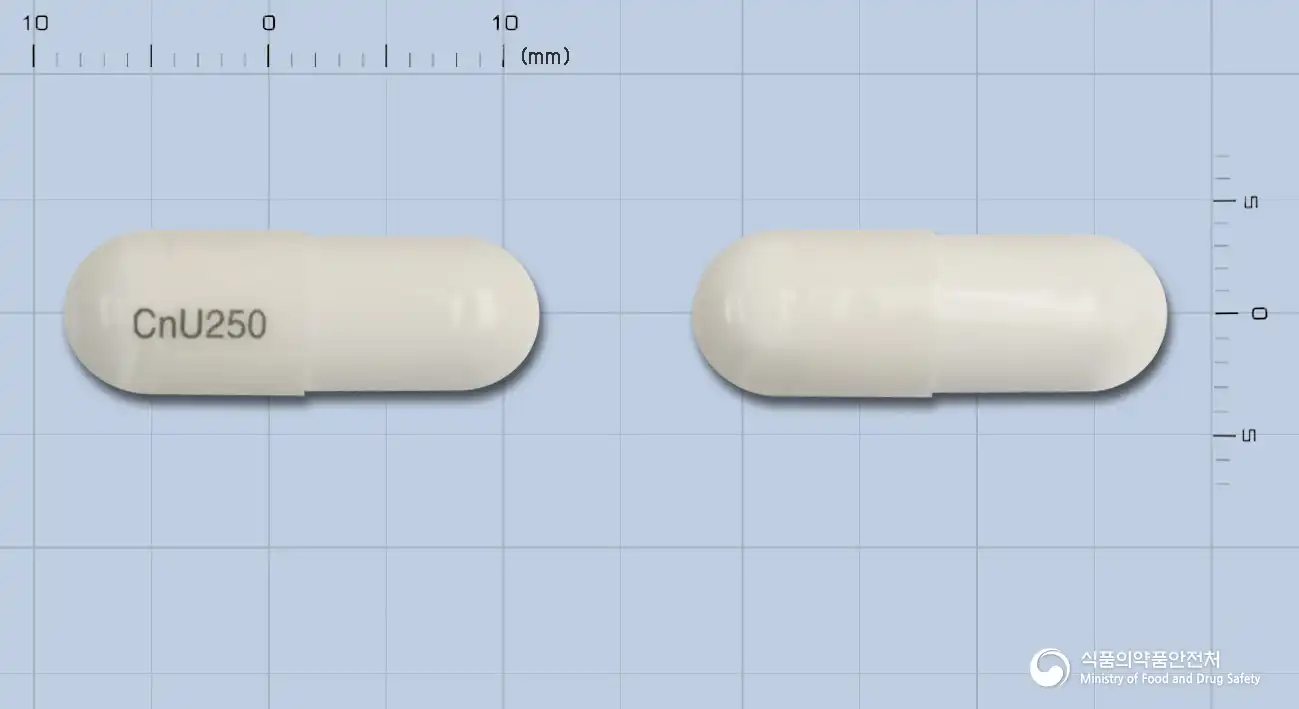
White hard capsule containing white powder
Package unit
30, 100, 500 capsules per bottle
Questions about this medicine
No questions yet.
For anything that needs medical judgment, consult a doctor or pharmacist.