
 한국어
 English
 日本語
 中文(简体)
Summary
- Main use
- Treatment of respiratory, eye, ear, genitourinary, and skin infections
- Who takes it
- Adults
- Adult dose
- 1. Bronchitis, laryngopharyngitis, tonsillitis, cystitis, pyelonephritis, stye, blepharitis, conjunctivitis, otitis media: Administer 250mg (potency) of cefroxadine orally 3 times daily after meals. For severe infections of pyelonephritis or cystitis, or when the isolated organism is relatively less susceptible, administer 500mg (potency) per dose. 2. Furuncles, carbuncles, folliculitis, cellulitis: Administer 250mg (potency) orally 2 times daily after breakfast and dinner. 3. Adnexitis, endometritis, bartholinitis: Administer 250~500mg (potency) orally 3 times daily after meals. Adjust the dose appropriately according to age and symptoms.
Ingredients
- Manufacturer
- Samjin Pharmaceutical Co., Ltd.
Efficacy & effects
Treatment of respiratory, eye, ear, genitourinary, and skin infections
- Bronchitis
- pharyngitis
- tonsillitis
- cystitis
- pyelonephritis
- styes
- blepharitis
- conjunctivitis
- boils
- abscesses
- folliculitis
- soft tissue infections
View approved original textHide original text
This medication is effective against a variety of bacteria and is used to treat respiratory infections such as bronchitis, pharyngitis, and tonsillitis. It is also effective for urinary tract infections including cystitis and pyelonephritis. Useful in treating ocular conditions such as styes, blepharitis, and conjunctivitis. It can also be used for skin and soft tissue infections like boils, abscesses, folliculitis, and soft tissue infections. It is utilized in the treatment of female reproductive system infections such as pelvic inflammatory disease, intrauterine infections, and Bartholin's gland infections. Finally, it is applied in the treatment of otitis media, improving various infectious diseases.
How to take
Adult dose
1. Bronchitis, laryngopharyngitis, tonsillitis, cystitis, pyelonephritis, stye, blepharitis, conjunctivitis, otitis media: Administer 250mg (potency) of cefroxadine orally 3 times daily after meals. For severe infections of pyelonephritis or cystitis, or when the isolated organism is relatively less susceptible, administer 500mg (potency) per dose. 2. Furuncles, carbuncles, folliculitis, cellulitis: Administer 250mg (potency) orally 2 times daily after breakfast and dinner. 3. Adnexitis, endometritis, bartholinitis: Administer 250~500mg (potency) orally 3 times daily after meals. Adjust the dose appropriately according to age and symptoms.
Precautions
This medication should not be used by patients who have previously experienced severe allergic reactions such as shock from this medication. Patients who have had allergic reactions to this medication or similar class of cephalosporin antibiotics should use it with caution. Those allergic to penicillin antibiotics should also exercise caution when using this medication. Persons with a tendency to allergy symptoms, such as asthma, skin rashes, or hives in themselves or their family history should be careful. Patients with severely impaired renal function should use this medication with added caution. Patients who are not eating well or receiving parenteral nutrition, elderly individuals, or those in poor overall health should be closely monitored for the risk of bleeding due to vitamin K deficiency. This medication can rarely cause severe allergic reactions or shock, so if symptoms such as dizziness, vomiting, skin rash, itching, or difficulty breathing occur, use should be stopped immediately and consultation with a healthcare professional is required. Gastrointestinal symptoms such as abdominal pain, diarrhea, and bloody stools may occur, and especially in cases of severe diarrhea or abdominal pain, medication should be stopped immediately. Respiratory symptoms may include rare problems such as pneumonia or eosinophilia, so if breathing becomes difficult or cough worsens, it should be reported immediately. Routine blood tests may show anemia or leukopenia; hence, regular check-ups are necessary. Since liver function abnormalities may occur, liver function tests should also be conducted periodically. If there are issues with kidney function, caution should be taken when using this medication, and healthcare professionals should be informed of any abnormal symptoms. Symptoms of stomatitis such as oral inflammation or candidiasis may occur. Rarely, deficiencies of vitamin K and vitamin B may manifest, so attention should be given to bleeding tendencies or neurological symptoms. When using this medication, it is advisable to check the susceptibility of the infecting bacteria to prevent the emergence of resistant strains and to take it for the minimum necessary duration. To prevent severe allergic reactions, it is recommended to conduct thorough medical history inquiries and skin reaction tests before taking this medication. Women who are pregnant or may become pregnant should only use this medication if the benefits outweigh the risks, as its safety has not been completely established. Elderly individuals may have decreased bodily functions, making adverse reactions more likely, so dose adjustments and careful monitoring of their condition are necessary. When taking this medication, false-positive results may arise in urinalysis, so care should be taken in interpreting test results. Additionally, positive reactions may appear in direct Coombs tests during blood tests, so this should also be kept in mind.
Side effects
shock
Not everyone experiences these, and they can vary from person to person.
Storage
This medication should be stored in a tightly sealed container to prevent exposure to air or moisture. Also, it should be kept in a place that avoids extreme hot or cold temperatures and ideally stored at room temperature between 1°C and 30°C.
Appearance and packaging
Appearance
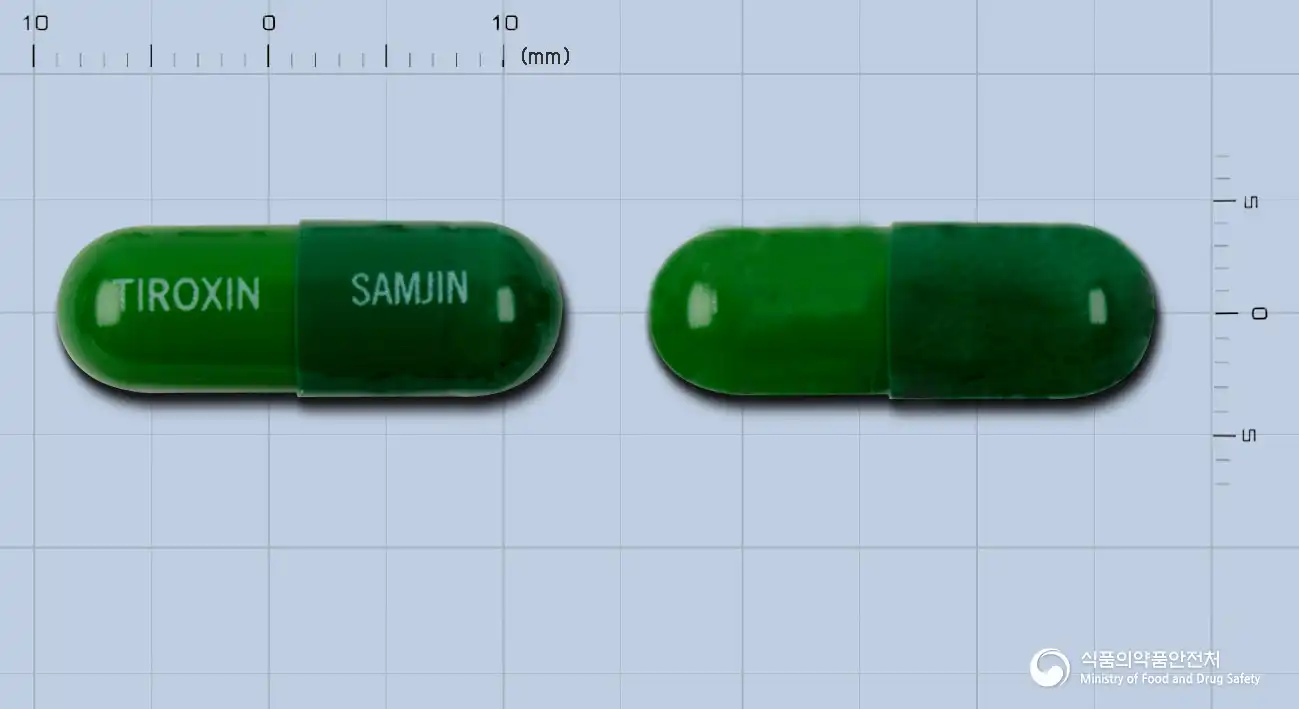
A hard capsule with a green top and light green bottom, containing particles or powder with a pale yellow to light yellow color and a peculiar odor.
Package unit
500 capsules per bottle, 100 capsules per bottle, 30 capsules per bottle
Questions about this medicine
No questions yet.
For anything that needs medical judgment, consult a doctor or pharmacist.