
 한국어
 English
 日本語
 中文(简体)
 Viewing now
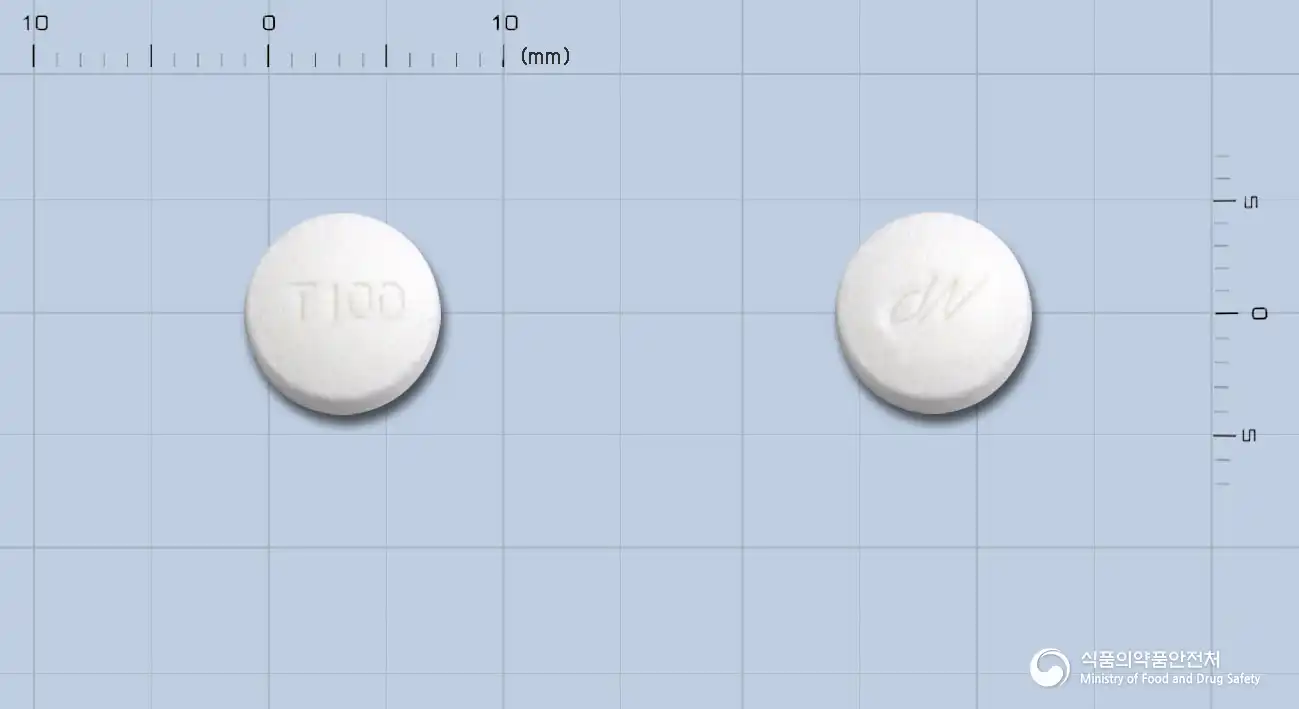
Telbit Tablet 100 mg (Ofloxacin)
Ofloxacin 100mg
Tablet · Prescription medication
Daewoo Pharmaceutical Co., Ltd.
MFDS item code 199200705 · Notified 1992.05.12 · Insurance code 649602320
Treatment of respiratory, ear, and eye infections, skin, intestinal, and genitourinary infections, and use in combination therapy for Hansen's disease
This drug is effective against a variety of bacteria and is used for complicated skin and soft tissue infections, acute and chronic otitis media, acute and chronic bacterial sinusitis, community-acquired pneumonia, and acute exacerbations of chronic obstructive pulmonary disease. It is also effective against urogenital infections such as acute pyelonephritis, simple acute cystitis, prostatitis, and urethritis, as well as gastrointestinal infections such as bacterial dysentery and enteritis. Additionally, it is applied for intrauterine infections and Bartholin's gland inflammation, as well as various infections around the eyes (blepharitis, stye, nasolacrimal duct obstruction, etc.). It can be used in combination therapy for the treatment of Hansen's disease and should be used only when there are no other treatment options available, considering the potential for serious adverse reactions as a fluoroquinolone antibiotic. In summary, this drug is used to treat various bacterial infections including complicated skin infections, respiratory infections, urogenital infections, and gastrointestinal infections.
○ Usual adult dosage: Take 300~600 mg of ofloxacin per day orally in 2~3 divided doses. ○ For Hansen's disease, take 400~600 mg of this medicine per day in 2~3 divided doses. In principle, use in combination with other anti-leprosy drugs. Adjust the dose as appropriate according to age and symptoms.
This medication, as a fluoroquinolone antibiotic, may cause serious side effects such as tendinitis, tendon rupture, peripheral neuropathy, central nervous system effects, and exacerbation of myasthenia gravis. If these symptoms occur, the use of this medication should be immediately discontinued, and it should not be used in patients with a history of myasthenia gravis. This medication is used only when there are no other treatment options available for specific infections such as acute bacterial maxillary sinusitis, acute exacerbation of chronic bronchitis, and uncomplicated urinary tract infections, and acute otitis media. Caution is advised in elderly patients, those with renal impairment, solid organ transplant recipients, and those on corticosteroid therapy due to an increased risk of tendon rupture, and it should not be used in combination with corticosteroids. This medication may worsen symptoms in patients with myasthenia gravis due to its neuromuscular blocking effects and should be used with caution. Various side effects such as hypersensitivity reactions, liver and kidney dysfunction, gastrointestinal disturbances, hematological abnormalities, neuropsychiatric effects, and skin reactions may occur, so if abnormal symptoms arise, immediate consultation with a healthcare provider is necessary. Particularly, it can cause phototoxic reactions; therefore, exposure to strong sunlight or artificial UV light should be avoided, and adequate hydration is required during treatment. This medication can induce blood sugar abnormalities, so diabetic patients should carefully monitor their blood sugar levels. Additionally, due to risks of aortic aneurysm or aortic dissection, and valvular regurgitation/insufficiency, patients with these risk factors or histories should use it cautiously. There are many interactions with other drugs, so caution is needed when used in combination with warfarin, non-steroidal anti-inflammatory drugs, antihypertensives, etc., and dosing intervals should be adjusted for certain antacids or vitamins. It should not be administered to pregnant or potentially pregnant women, nursing mothers, adolescents under 18 years of age, or patients with certain genetic disorders. Due to potential increases in drug concentration because of decreased kidney function, elderly patients should have their dosage and administration interval adjusted and monitored closely. In case of overdose, immediate medical observation and appropriate treatment are necessary, as this drug is not fully removed by hemodialysis or peritoneal dialysis. This medication should be administered slowly over more than 60 minutes during intravenous injection and should not be mixed with solutions that share the same route of administration. During storage, it should be kept out of reach of children and not transferred to other containers.
Not everyone experiences these, and they can vary from person to person.
This medication should be stored in a sealed container to prevent air from entering, and it is recommended to keep it at room temperature between 1 degree and 30 degrees Celsius. This will help maintain the drug's efficacy and prevent degradation.
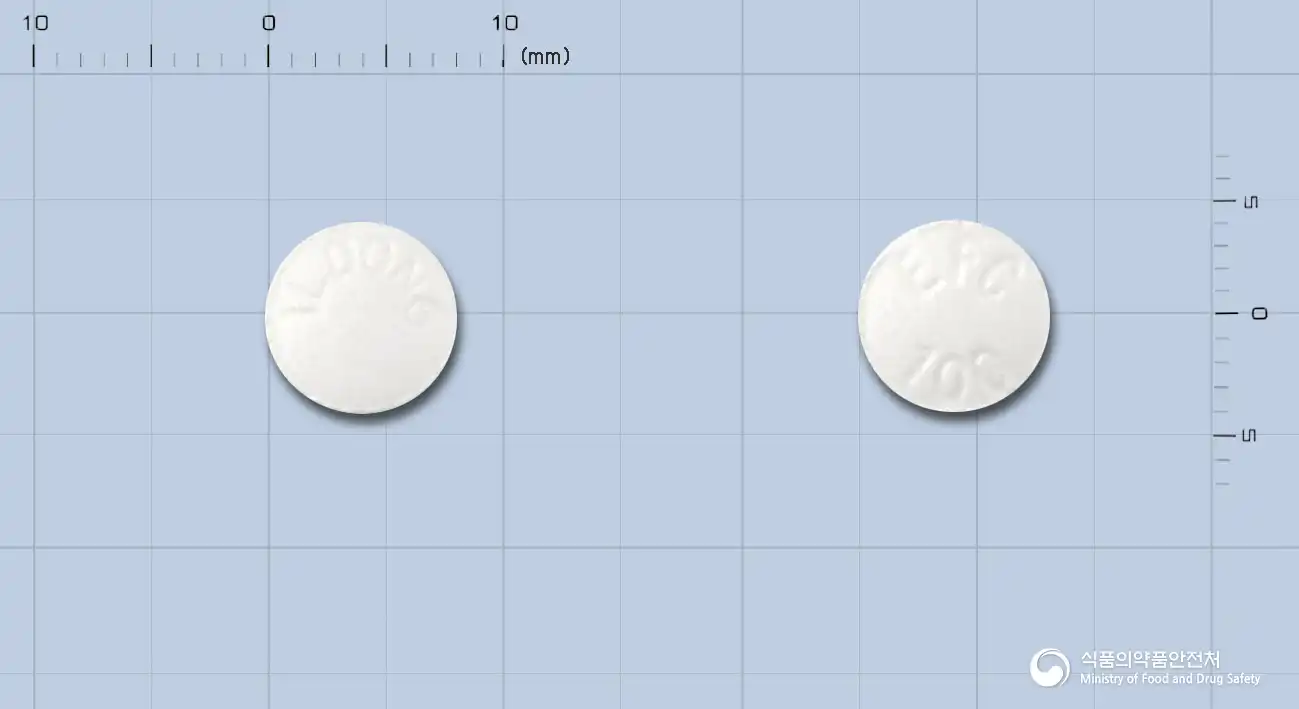
White to slightly yellowish round film-coated tablet
Bottle - 30 tablets/bottle, Bottle - 300 tablets/bottle
Even with the same ingredient, strength, dosage form and how it is taken can differ.
Viewing nowOfloxacin 100mg
Tablet · Prescription medication
Daewoo Pharmaceutical Co., Ltd.
Ofloxacin 100mg
Tablet · Prescription medication
Cejal Pharmaceutical Co., Ltd.
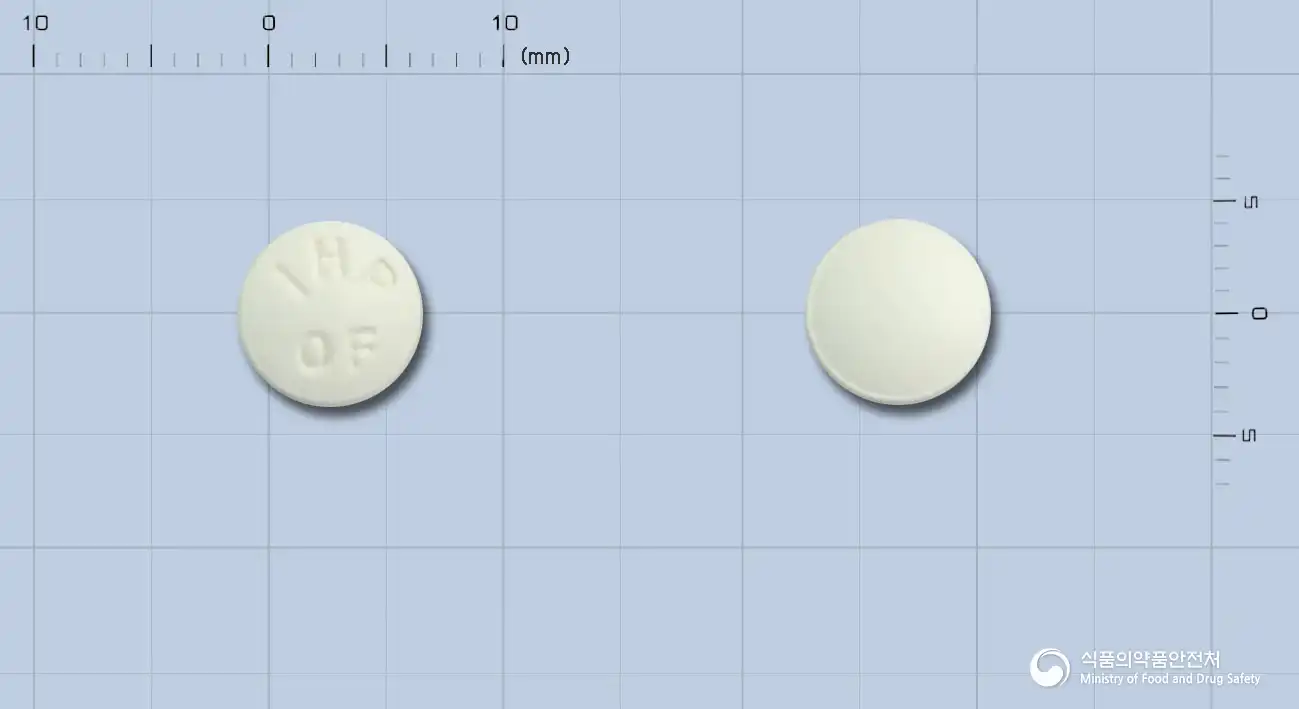
Ofloxacin 100mg
Tablet · Prescription medication
Ilhwa
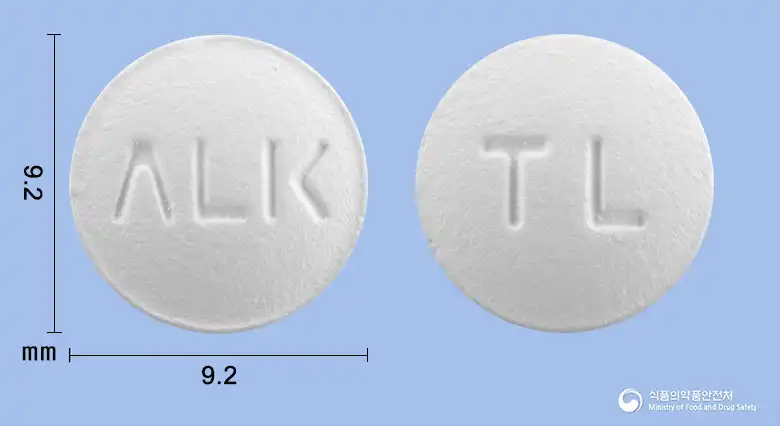
Ofloxacin 100mg
Tablet · Prescription medication
Alvogen Korea Co., Ltd.
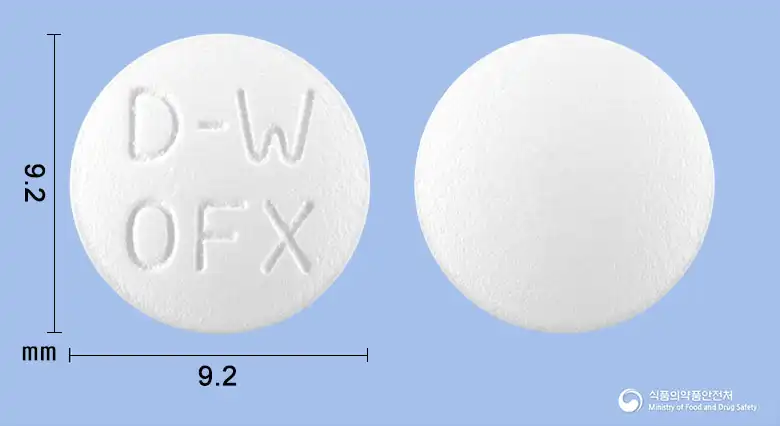
Ofloxacin 100mg
Tablet · Prescription medication
Donghwa Pharmaceutical Co., Ltd.
Ofloxacin
Prescription medication
Gujoo Pharmaceutical Co., Ltd.
Ofloxacin 200mg
Tablet · Prescription medication
Jeil Pharmaceutical Co., Ltd.
Ofloxacin 100mg
Tablet · Prescription medication
Il Dong Pharmaceutical Co., Ltd.
Even with the same ingredient, the dose and directions can differ by strength and dosage form. Talk to a doctor or pharmacist before switching from a medication you are already taking.
No questions yet.
For anything that needs medical judgment, consult a doctor or pharmacist.
This drug information is based on data provided by the Korea Ministry of Food and Drug Safety.
Consult a doctor or pharmacist for accurate dosage, administration, and usage instructions.