
 한국어
한국어 English
 日本語
日本語 中文(简体)
Dosage form image
Viewing nowVancomycin Injection (Vancomycin Hydrochloride)
Vancomycin Hydrochloride 500mg
Injections · Prescription medication
Aprogen Pharmaceuticals Co., Ltd.
MFDS item code 199200352 · Notified 1992.09.25 · Insurance code 645204411
Treatment of enterocolitis and pseudomembranous colitis caused by Staphylococcus and Clostridium difficile infections.
This medication is used to treat various bacterial infections. The capsule form is suitable for treating enterocolitis caused by Staphylococcus and antibiotic-associated pseudomembranous colitis due to Clostridium difficile. The injection is effective against infections caused by Streptococcus, Staphylococcus, Clostridium difficile, and Diphtheroids. It is used for various severe infections including endocarditis, osteomyelitis, arthritis, peritonitis, meningitis, superficial secondary infections from burns or surgical sites, particularly in cases where treatment with penicillin and cephalosporin antibiotics is difficult. It is also applicable to serious respiratory infections such as pneumonia, septicemia, lung abscess, and empyema. Thus, it helps in the recovery of patients by treating diverse bacterial infections.
(Capsules) As Vancomycin, 500 mg (potency) per day divided into doses for oral administration for 7–10 days. In severe cases, 2 g (potency) can be administered in divided doses of 3–4 times a day, not exceeding a total daily dose of 2 g. (Injection) 500 mg (potency) intravenously every 6 hours or 1 g (potency) every 12 hours by drip infusion. (Oral administration) 500–2000 mg per day in 3–4 doses.
(Capsules) 40 mg (potency) per kg of body weight per day, divided into 3–4 doses for 7–10 days, not exceeding a total daily dose of 2 g. Adjust according to age and symptoms. (Injection
This drug should not be used in patients with a history of allergic reactions to this medication or its ingredients. Caution is needed in patients who had allergic reactions to peptide antibiotics or aminoglycoside antibiotics before using this medication. Patients with hearing impairment or previous hearing issues should use this drug cautiously as it may worsen hearing loss. Patients with poor kidney function should be closely monitored while using this medication as it may accumulate in the body and cause side effects. Elderly patients may have decreased kidney function, possibly delaying drug excretion, requiring dosage adjustments. This drug can rarely cause serious allergic reactions such as hypotension, dizziness, rash, and difficulty breathing; if any abnormal symptoms occur, administration should be stopped immediately and appropriate treatment should be sought. Prolonged or excessive use may lead to the development of resistant bacteria, so the duration and dosage prescribed by the doctor should be strictly adhered to. Regular blood tests and kidney function tests should be conducted during the administration of this medication, and hearing tests may also be necessary. Women who are pregnant or breastfeeding should consult a doctor before using this medication as it may affect the fetus or baby. The risk of side effects may increase when this drug is used in conjunction with other nephrotoxic or neurotoxic medications, so caution is warranted during concomitant use. Overdosage may lead to severe side effects such as renal dysfunction or hearing loss; therefore, patients must adhere to the prescribed dosage and inform healthcare professionals immediately if overdose is suspected.
Not everyone experiences these, and they can vary from person to person.
This medication should be stored in a sealed container to prevent air ingress and kept at a temperature between 1°C and 30°C. Proper storage helps maintain the efficacy of the drug and prevent degradation.
A white to light yellowish-brown freeze-dried powder contained in a colorless transparent vial for injection.
10 vials
Even with the same ingredient, strength, dosage form and how it is taken can differ.
Vancomycin Hydrochloride 500mg
Injections · Prescription medication
Aprogen Pharmaceuticals Co., Ltd.
Vancomycin Hydrochloride 500mg
Injections · Prescription medication
HK Innoen Co., Ltd.
Vancomycin Hydrochloride 500mg
Injections · Prescription medication
Yuyoung Pharmaceutical Co., Ltd.
Vancomycin Hydrochloride 500mg
Injections · Prescription medication
Oskorea Pharmaceutical Co., Ltd.
Vancomycin Hydrochloride
Prescription medication
International Pharmaceutical Co., Ltd.
Vancomycin Hydrochloride 1g
Injections · Prescription medication
Aprogen Biosciences, Co., Ltd.
Vancomycin Hydrochloride 1g
Injections · Prescription medication
HK Innoen Co., Ltd.
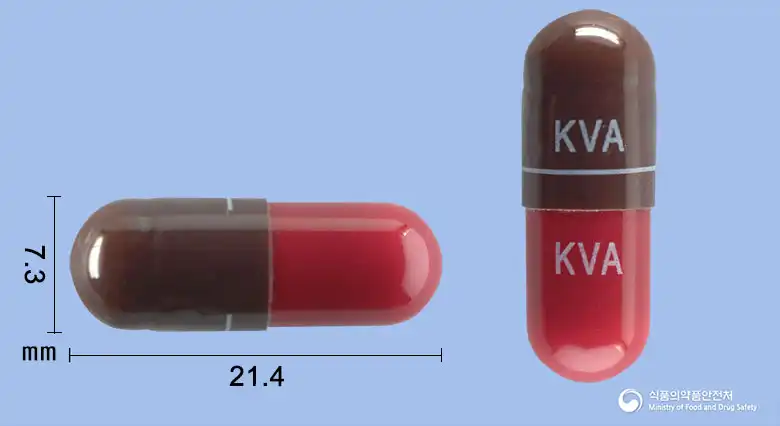
Vancomycin Hydrochloride 250mg
Hard capsule · Prescription medication
Korea United Pharm., Ltd.
Even with the same ingredient, the dose and directions can differ by strength and dosage form. Talk to a doctor or pharmacist before switching from a medication you are already taking.
No questions yet.
For anything that needs medical judgment, consult a doctor or pharmacist.
This drug information is based on data provided by the Korea Ministry of Food and Drug Safety.
Consult a doctor or pharmacist for accurate dosage, administration, and usage instructions.