
 한국어
 English
 日本語
 中文(简体)
 Viewing now
Youngpoong Ofloxacin Tablet 100 mg
Ofloxacin 100mg
Tablet · Prescription medication
Youngpoong Pharmaceutical Co., Ltd.
MFDS item code 199102449 · Notified 1991.08.26 · Insurance code 661901200
Treatment of bacterial infections (e.g., skin, respiratory, and genitourinary infections); combination treatment for Hansen's disease
This medication is used for complex skin and soft tissue infections caused by various bacteria, acute and chronic otitis media, bacterial sinusitis, community-acquired pneumonia, acute exacerbation of chronic obstructive pulmonary disease, urinary tract infections (acute pyelonephritis, cystitis, prostatitis, etc.), bacterial gastroenteritis (such as dysentery), female reproductive organ infections (salpingitis, intrauterine infections), eye-related infections (blepharitis, stye, corneal ulcer, etc.), and in combination therapy for leprosy. However, this medication, which belongs to the fluoroquinolone class, is recommended to be used only when no other treatment options are available due to the risk of serious adverse reactions in certain infections. Therefore, this medication is primarily effective in the treatment of complex bacterial infections or those difficult to treat by other means.
○ Usually, adults take 300~600 mg of ofloxacin in divided doses 2~3 times daily. ○ For Hansen's disease, take 400~600 mg of this medication in divided doses 2~3 times daily. In principle, use in combination with other anti-Hansen's disease medications. Adjust the dose appropriately according to age and symptoms.
This medication is a fluoroquinolone antibiotic, and its use may lead to tendon-related side effects such as tendonitis or tendon rupture. Additionally, peripheral neuropathy or central nervous system symptoms may also occur, so use should be discontinued immediately if these symptoms arise. In patients with myasthenia gravis, this medication may exacerbate symptoms and should not be administered. This medication is used for the treatment of specific bacterial infections and should be used cautiously only when no alternative treatment options are available. Elderly patients, patients with impaired kidney function, and those taking corticosteroids should be cautious as they have a higher risk of tendon rupture. Concomitant use with corticosteroids should be avoided, and if tendon pain, inflammation, or rupture symptoms occur, administration should be ceased immediately, and rest should be taken. This medication has neuromuscular blocking effects and may be risky for patients with myasthenia gravis. Patients with a history of allergic reactions to this medication or similar drugs or a past history of tendon disorders should not use it. Growing children and adolescents, pregnant or nursing women should also avoid this medication. Patients with blood disorders, seizure disorders, and certain enzyme deficiencies must consult a physician before administration. Regular monitoring of liver and kidney functions is required during administration, and adequate hydration is recommended. This medication may cause dizziness or neurological abnormalities, so caution is needed when driving or operating machinery. Avoid excessive exposure to strong sunlight or ultraviolet rays, and discontinue use immediately if photosensitivity reactions occur. Blood sugar changes may occur, so diabetic patients should monitor their blood sugar levels closely. This medication can interact with other drugs, so it is important to inform healthcare providers about any medications being taken. Women who may become pregnant should not use this medication, and nursing mothers should discontinue breastfeeding while taking it. In case of overdose, immediate medical attention is required, and this medication is not completely removed by hemodialysis. When administered intravenously, this medication should be infused slowly and should not be mixed with other drugs. Finally, it is safe to keep this medication out of the reach of children and not transfer it to other containers.
Tendinitis, tendon rupture, peripheral neuropathy, central nervous system effects, exacerbation of myasthenia gravis, anaphylactic shock, anaphylactoid reactions, rash, itching, erythema, edema, fever, warmth, vesicles, erythema, photosensitivity reactions, hematuria, acute renal failure, nephrolithiasis, interstitial nephritis, elevated BUN, elevated serum creatinine, jaundice, liver failure, elevated AST, elevated ALT, elevated ALP, elevated γ-GTP, elevated total bilirubin, cholestatic jaundice, fulminant hepatitis, membranous colitis, colitis with blood in stool, abdominal pain, frequent diarrhea, nausea, vomiting, gastrointestinal discomfort, diarrhea, cirrhosis, loss of appetite, abdominal pain, indigestion, chest pain, thirst, taste disturbances, stomatitis, glossitis, abdominal distension, constipation, dysphagia, gastrointestinal bleeding, oral mucosal pain, intestinal perforation, anemia, leukopenia, decreased hemoglobin, decreased hematocrit, thrombocytopenia, eosinophilia, agranulocytosis, thrombotic thrombocytopenic purpura, petechiae, purpura, prolonged prothrombin time, reversible bone marrow suppression, lymphocytopenia, neutropenia, elevated ESR, insomnia, dizziness, headache, seizures, tremors, numbness, sensory disturbances, sensory loss, diplopia, neglect, nystagmus, tinnitus, hearing loss, hallucinations, drowsiness, hyperesthesia, sleep disorders, confusion, anxiety, depression, agitation, elation, delirium, seizures, nightmares, paranoia, disorientation, attention disorders, memory disorders, delirium, suicidal ideation, suicide, perceptual disturbances, olfactory impairment, balance disturbances, ataxia, aphasia, heaviness in the head, Stevens-Johnson syndrome, toxic epidermal necrolysis, Riel syndrome, arthralgia, myalgia, muscle weakness, myositis, malaise, elevated CPK, elevated myoglobin, rhabdomyolysis, pharyngitis, dyspnea, bronchospasm, allergic pneumonia, nosebleeds, stridor, fever, cough, abnormal chest X-ray, eosinophilia, interstitial pneumonia, cerebral thrombosis, pulmonary edema, tachycardia, hypertension, hypotension, palpitations, vasodilation, circulatory collapse, prolonged QT interval, ventricular tachycardia, dysuria, frequent urination, urinary retention, anuria, polyuria, hematuria, urinary storage, purulent urine, diabetes, proteinuria, alkaline urine, vaginitis, vaginal candidiasis, increased vaginal discharge, pruritus of the external female genitalia, menstrual irregularities, uterine cramps, female genital rash, pain, irritation, burning sensation, hypoglycemic symptoms, limb pain, fatigue, fever, aortic aneurysm, aortic dissection, cardiac valve regurgitation, cardiac valve insufficiency
Not everyone experiences these, and they can vary from person to person.
This medication should be stored in a tightly sealed container to prevent air or moisture from entering. It should be kept at room temperature, away from extremes of heat or cold.
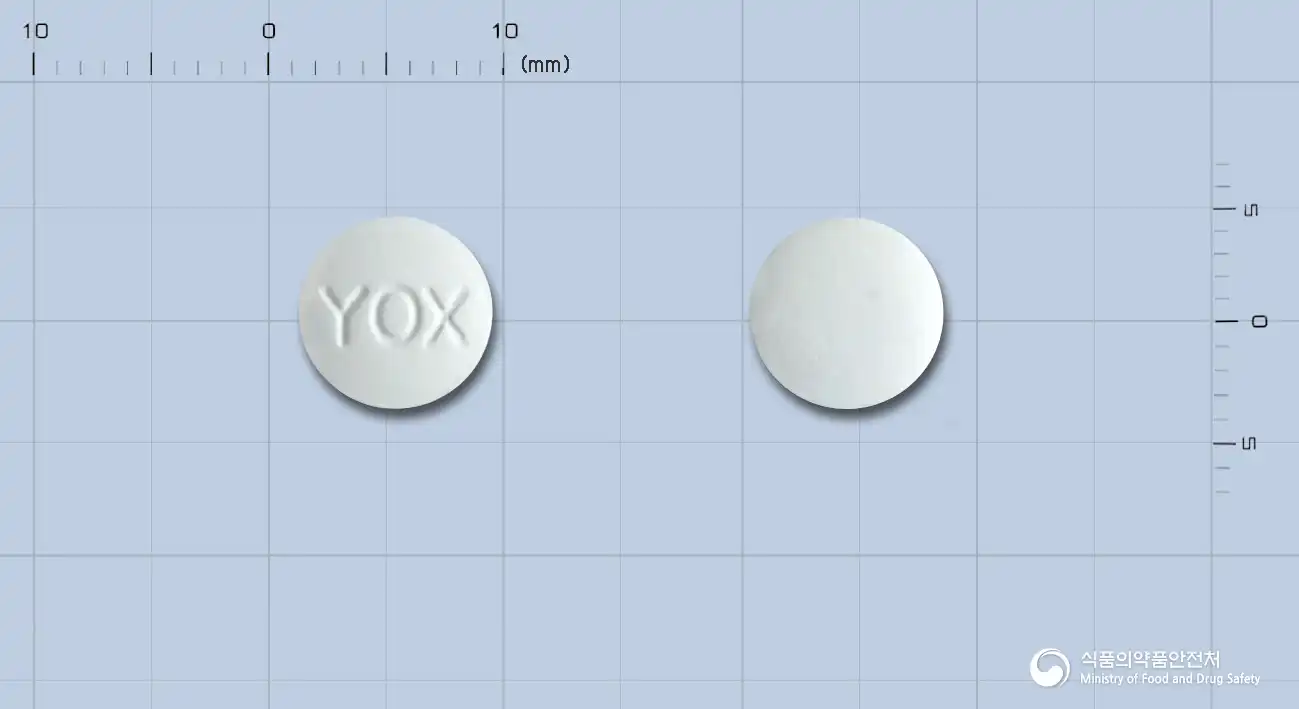
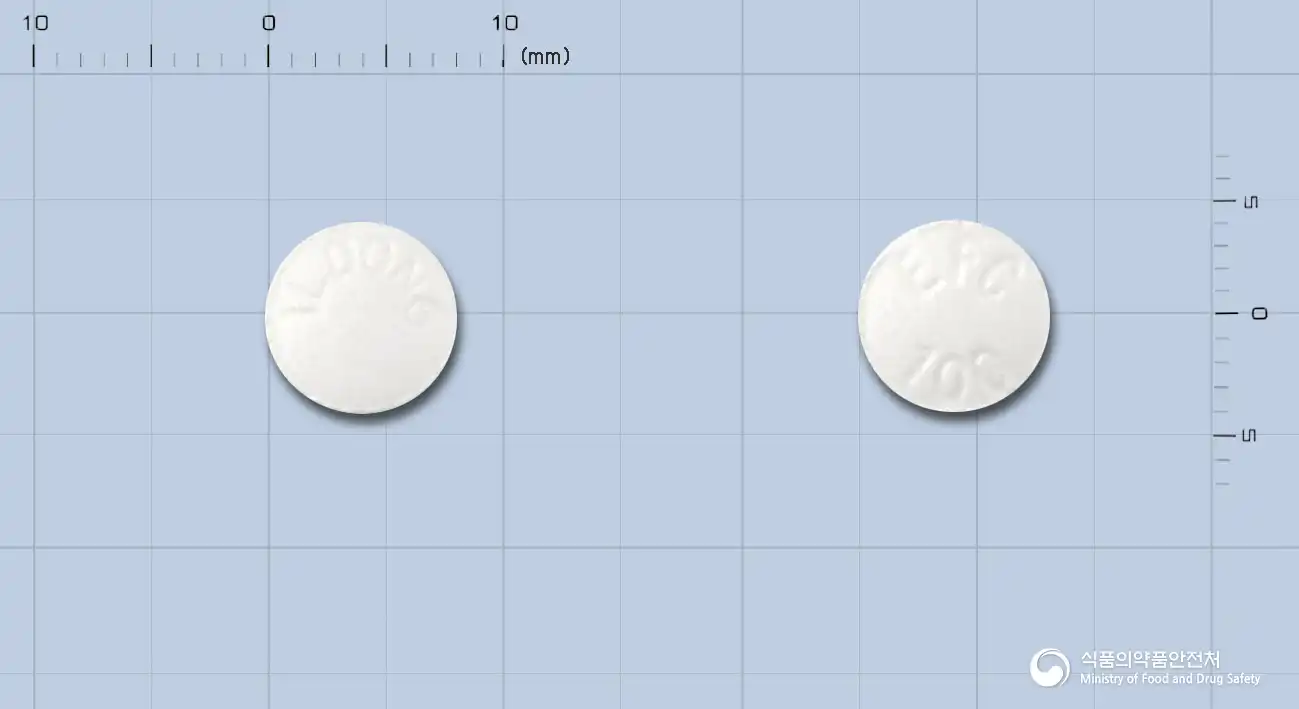
White, round, film-coated tablet
30 tablets/bottle, 100 tablets/bottle, 500 tablets/bottle, 1000 tablets/bottle
Even with the same ingredient, strength, dosage form and how it is taken can differ.
Viewing nowOfloxacin 100mg
Tablet · Prescription medication
Youngpoong Pharmaceutical Co., Ltd.
Ofloxacin 100mg
Tablet · Prescription medication
Cejal Pharmaceutical Co., Ltd.
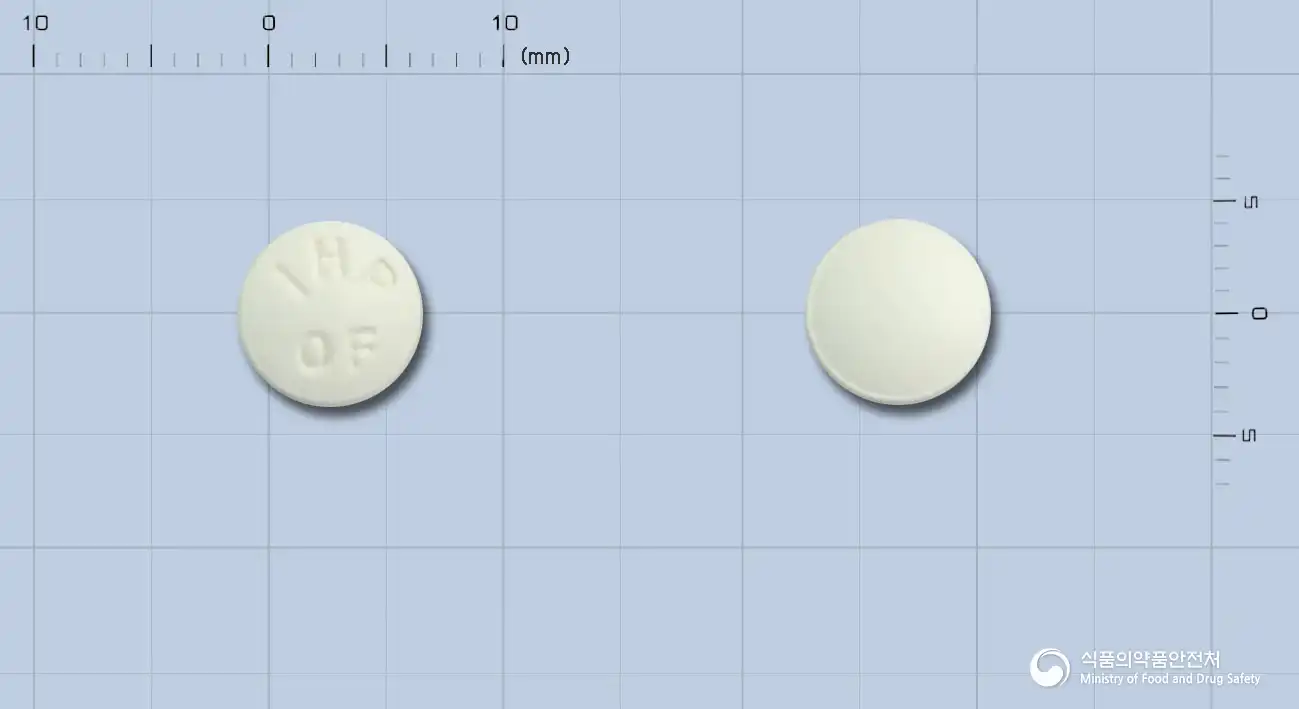
Ofloxacin 100mg
Tablet · Prescription medication
Ilhwa
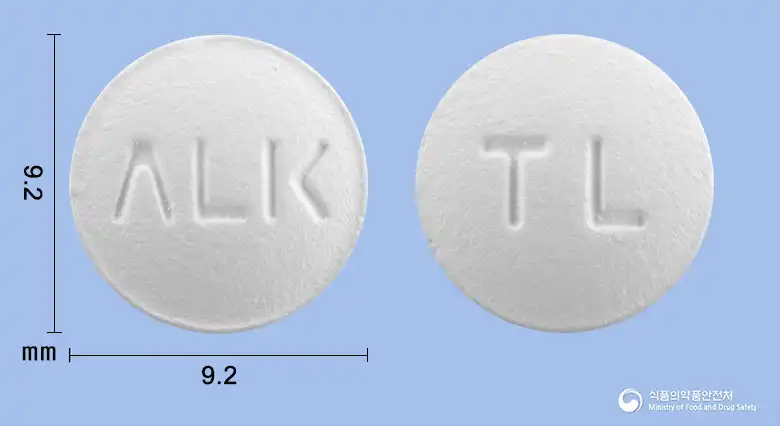
Ofloxacin 100mg
Tablet · Prescription medication
Alvogen Korea Co., Ltd.
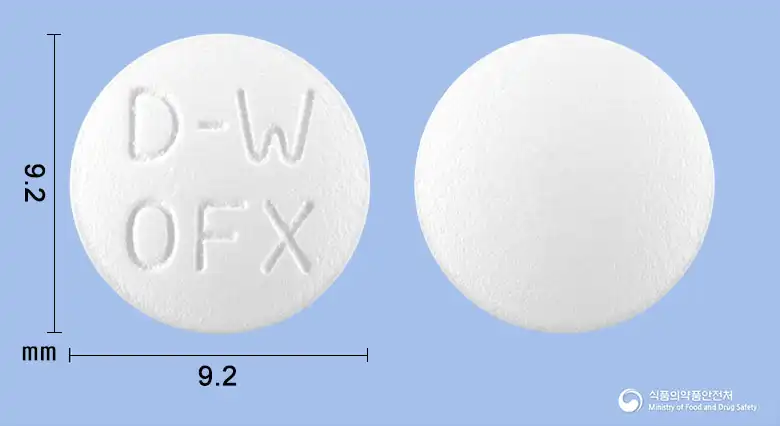
Ofloxacin 100mg
Tablet · Prescription medication
Donghwa Pharmaceutical Co., Ltd.
Ofloxacin
Prescription medication
Gujoo Pharmaceutical Co., Ltd.
Ofloxacin 200mg
Tablet · Prescription medication
Jeil Pharmaceutical Co., Ltd.
Ofloxacin 100mg
Tablet · Prescription medication
Il Dong Pharmaceutical Co., Ltd.
Even with the same ingredient, the dose and directions can differ by strength and dosage form. Talk to a doctor or pharmacist before switching from a medication you are already taking.
No questions yet.
For anything that needs medical judgment, consult a doctor or pharmacist.
This drug information is based on data provided by the Korea Ministry of Food and Drug Safety.
Consult a doctor or pharmacist for accurate dosage, administration, and usage instructions.