
 한국어
 English
 日本語
 中文(简体)
Dosage form image
Viewing nowCrosef Dry Syrup (Cefaclor Hydrate)
Cefaclor Hydrate 2.5g
Syrup · Prescription medication
Hanmi Pharmaceutical Co., Ltd.
MFDS item code 199102139 · Notified 1991.05.01 · Insurance code 643502642
Treatment of respiratory and middle ear infections, urinary tract infections, and skin and soft tissue infections
This medication is effective against a variety of bacteria including Streptococcus pneumoniae, Influenza bacterium, Staphylococcus, and Escherichia coli. It is used for respiratory infections such as otitis media, pneumonia, pharyngitis, and tonsillitis, and also treats urinary tract infections such as pyelonephritis and cystitis. Additionally, it is applicable to skin and soft tissue infections such as boils, abscesses, and folliculitis. This drug acts broadly against various bacterial diseases to effectively improve patients' symptoms.
Adults: Administer 250mg (potency) of cefaclor orally every 8 hours. For severe infections (such as pneumonia) and infections caused by less susceptible organisms, the dose may be doubled. For acute gonococcal urethritis, administer a single dose of 3g of this medication together with 1g of probenecid. Patients with impaired renal function: This medication may be administered without changing the dose. Treatment of beta-hemolytic streptococcal infections should continue for at least 10 days. Adjust the dose appropriately according to age and symptoms.
Children: Administer 20mg (potency) per Kg of body weight per day in divided doses every 8 hours. For severe infections, otitis media, and infections caused by less susceptible organisms, 40mg (potency) per Kg of body weight per day may be administered; the maximum dose is 1g (potency) per day. For 20mg (potency) per Kg of body weight per day, weight 9Kg: 125mg/5mL 2.5mL per dose (1/2 teaspoonful) 3 times daily; 250mg/5mL -. For 20mg (potency) per Kg of body weight per day, weight 18Kg: 125mg/5mL 5mL per dose (1 teaspoonful) 3 times daily; 250mg/5mL 2.5mL per dose (1/2 teaspoonful) 3 times daily. For 40mg (potency) per Kg of body weight per day, weight 9Kg: 125mg/5mL 5mL per dose (1 teaspoonful) 3 times daily; 250mg/5mL -. For 40mg (potency) per Kg of body weight per day, weight 18Kg: 125mg/5mL 2.5mL per dose (1/2 teaspoonful) 3 times daily; 250mg/5mL 5mL per dose (1 teaspoonful) 3 times daily. Twice-daily regimen: For otitis media and pharyngitis, the daily dose may be divided and administered every 12 hours. For 20mg (potency) per Kg of body weight per day (pharyngitis), weight 9Kg: 187mg/5mL 2.5mL per dose (1/2 teaspoonful) 2 times daily; 375mg/5mL -. For 20mg (potency) per Kg of body weight per day (pharyngitis), weight 18Kg: 187mg/5mL 5mL per dose (1 teaspoonful) 2 times daily; 375mg/5mL 2.5mL per dose (1/2 teaspoonful) 2 times daily. For 40mg (potency) per Kg of body weight per day (otitis media), weight 9Kg: 187mg/5mL 5mL per dose (1 teaspoonful) 2 times daily; 375mg/5mL -. For 40mg (potency) per Kg of body weight per day (otitis media), weight 18Kg: 187mg/5mL 2.5mL per dose (1/2 teaspoonful) 2 times daily; 375mg/5mL 5mL per dose (1 teaspoonful) 2 times daily.
This antibiotic works by binding to specific proteins, disrupting bacterial cell wall synthesis, and killing bacteria. This drug should not be used in patients who have experienced severe allergic reactions or shock due to this drug or similar classes of antibiotics in the past. Individuals allergic to penicillin antibiotics, or those with a history of asthma, hives, or other allergic conditions should use this medication with greater caution. Patients with severely impaired kidney function, those who are undernourished or elderly, and patients with gastrointestinal diseases need careful monitoring when using this medication. Serious allergic reactions such as shock, skin rash, or difficulty breathing may occur with use; if symptoms arise, the intake of this medication should be halted immediately and medical attention sought. Severe skin rashes or mucosal damage are rare side effects, and immediate reporting is required if abnormal symptoms occur. Regular blood tests may be necessary as leukocyte or platelet counts may decrease, and liver and kidney function can also be affected, requiring observation. Gastrointestinal symptoms such as abdominal pain, diarrhea, and nausea may occur, and in severe cases colitis can develop, necessitating cessation of the medication if symptoms are severe. Respiratory symptoms or central nervous system symptoms can rarely present themselves, and caution is advised. This drug may induce vitamin K deficiency; patients with a tendency to bleed should be especially careful. Interactions may occur when used alongside anticoagulants or other renal-affecting drugs, so consult a doctor before taking. When used with oral contraceptives, the contraceptive effect may be reduced, so it is advisable to use additional contraception methods. Pregnant or nursing women should only use this medication if absolutely necessary as its safety has not been fully established; caution is also recommended during breastfeeding. It is preferable not to use this drug in neonates under one month of age as efficacy and safety have not been established. Elderly patients may exhibit more pronounced side effects due to weakened physical function, and dosage and administration intervals should be adjusted carefully.
Not everyone experiences these, and they can vary from person to person.
This medication is sensitive to light and should be stored in a dark place, in a tightly sealed container to avoid air exposure. It is best stored at room temperature between 1 and 30 degrees Celsius.
Pink dry syrup with strawberry flavor that is dissolved before use
150 mL/bottle
Even with the same ingredient, strength, dosage form and how it is taken can differ.
Cefaclor Hydrate 2.5g
Syrup · Prescription medication
Hanmi Pharmaceutical Co., Ltd.
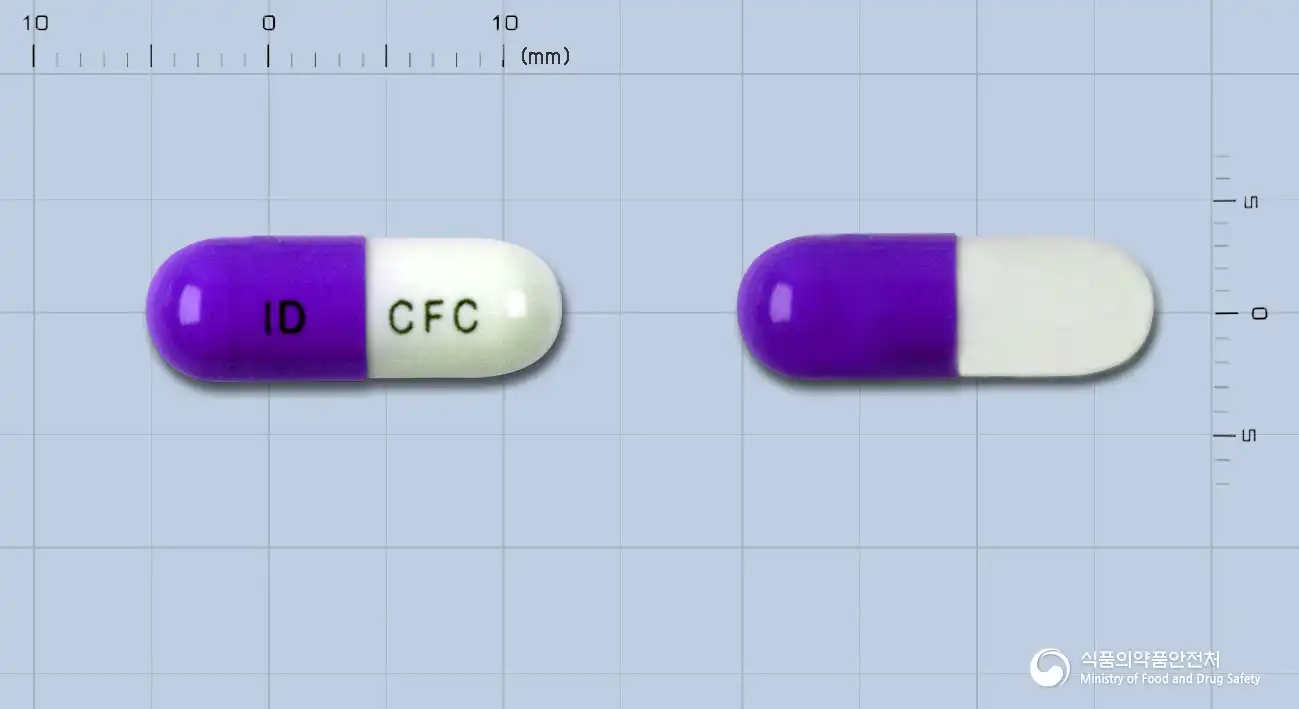
Cefaclor Hydrate 250mg
Hard capsule · Prescription medication
Ildong Pharmaceutical Co., Ltd.
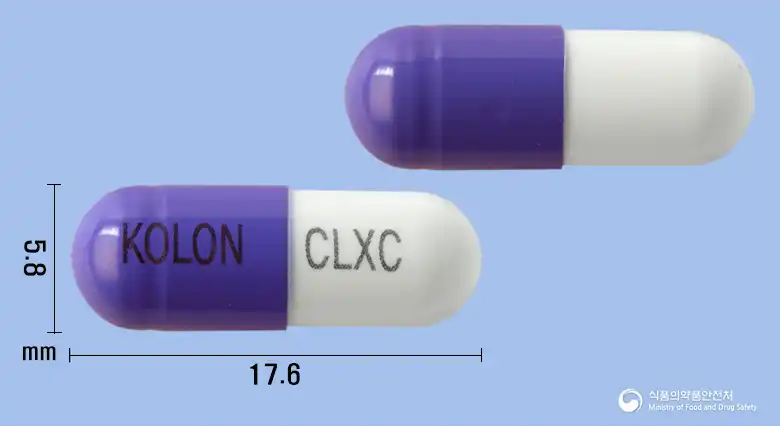
Cefaclor Hydrate 250mg
Hard capsule · Prescription medication
Kolon Pharmaceutical Co., Ltd.
Cefaclor Hydrate 3.75g
Syrup · Prescription medication
Youngjin Pharmaceutical Co., Ltd.
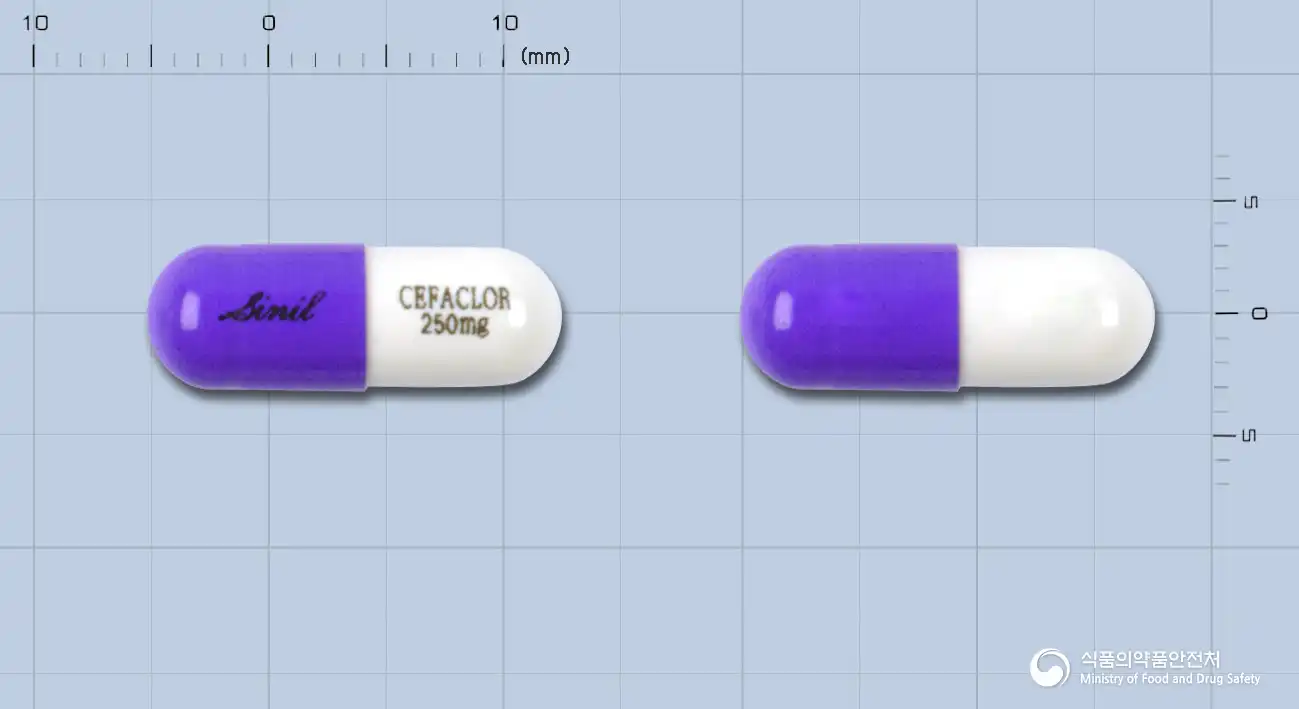
Cefaclor Hydrate 250mg
Hard capsule · Prescription medication
Shinil Pharmaceutical Co., Ltd.
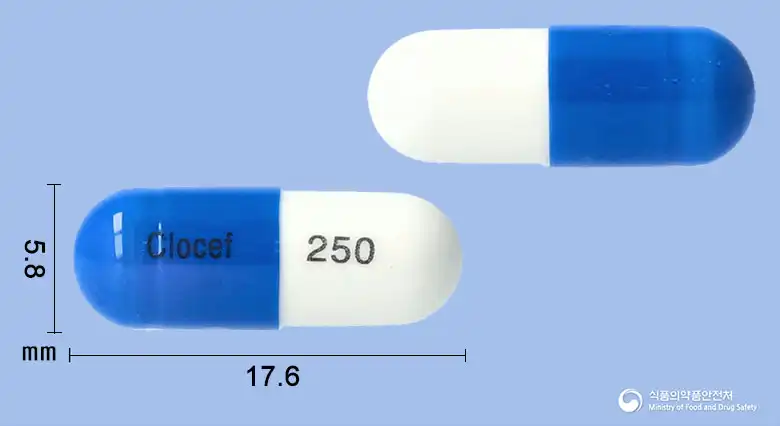
Cefaclor Hydrate 250mg
Hard capsule · Prescription medication
Hanmi Pharmaceutical Co., Ltd.
Cefaclor Hydrate 3.75g
Syrup · Prescription medication
Shinpoong Pharmaceutical Co., Ltd.
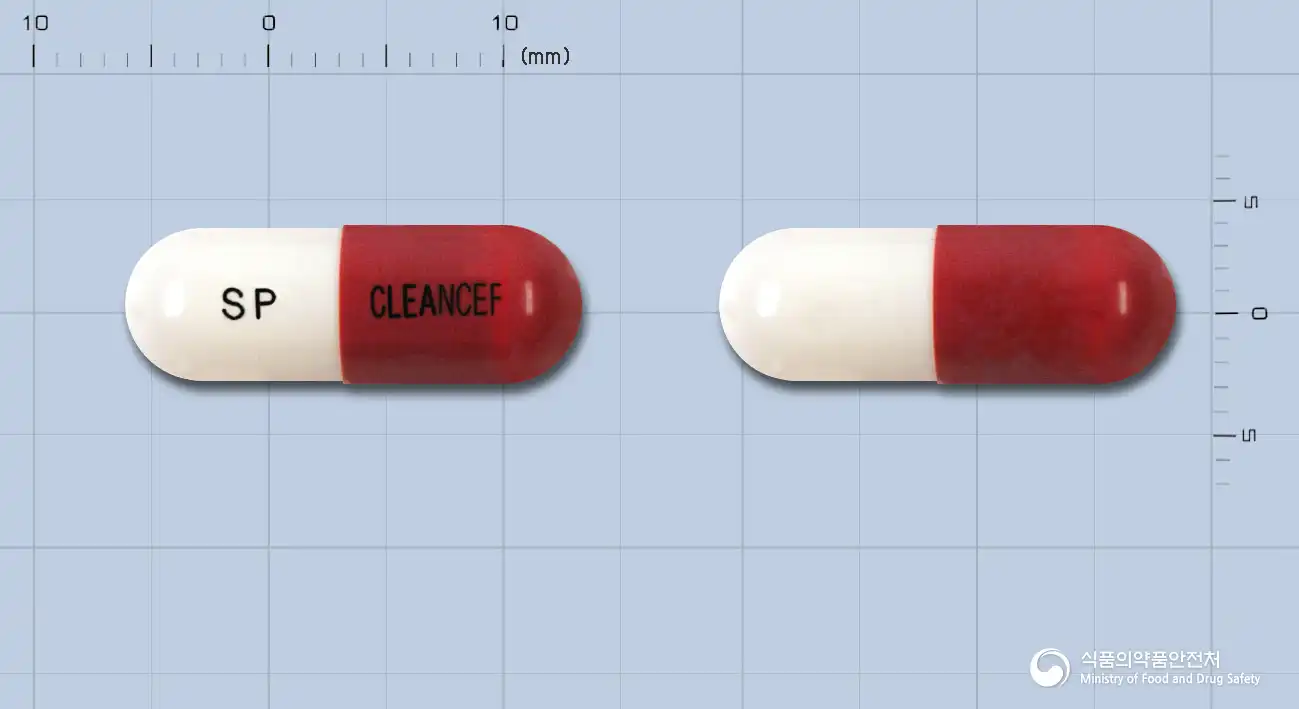
Cefaclor Hydrate 250mg
Hard capsule · Prescription medication
Shinpoong Pharmaceutical Co., Ltd.
Even with the same ingredient, the dose and directions can differ by strength and dosage form. Talk to a doctor or pharmacist before switching from a medication you are already taking.
No questions yet.
For anything that needs medical judgment, consult a doctor or pharmacist.
This drug information is based on data provided by the Korea Ministry of Food and Drug Safety.
Consult a doctor or pharmacist for accurate dosage, administration, and usage instructions.