
 한국어
 English
 日本語
 中文(简体)
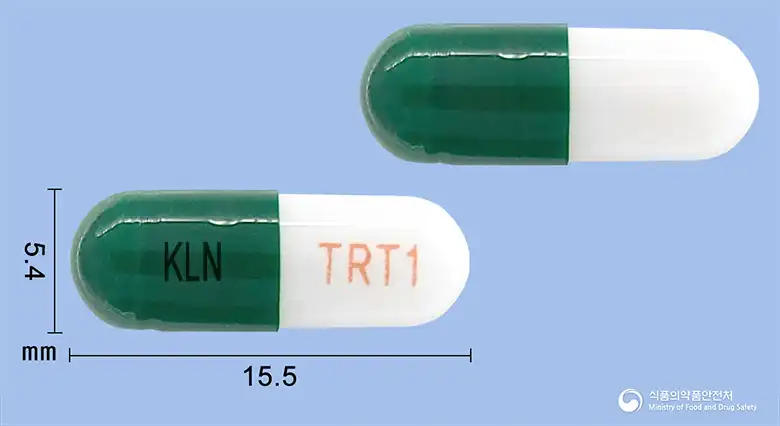 Viewing now
Turanth Capsule 100 mg (Acetylcysteine)
Acetylcysteine 100mg
Hard capsule · OTC medication
Kolon Pharmaceutical Co., Ltd.
MFDS item code 199100632 · Notified 1991.10.30
Relief of difficulty in expectorating sputum in respiratory disorders (e.g., bronchitis and asthma)
This medication is used to improve difficulty in expectoration in acute and chronic bronchitis, bronchial asthma, laryngitis, sinusitis, and cystic fibrosis.
Take the following dose of acetylcysteine before meals with a small amount of water. Adults with acute conditions: 200 mg per dose, 3 times daily Adults with chronic conditions: 200 mg per dose, 2 times daily
Children with acute conditions: Ages 6 ~ 14 years, 200 mg per dose, 2 times daily Children with chronic conditions: Ages 6 ~ 14 years, 100 mg per dose, 3 times daily Children with cystic fibrosis: Age 6 years and older, 200 mg per dose, 3 times daily
This medication contains acetylcysteine, which mainly functions to thin mucus and assist the expulsion of mucus in the airways. This medication should not be taken by individuals who have had an allergic reaction to any of its components. Particularly, those with ulcers in the stomach or duodenum and children under 2 years old should avoid this medication. Women who are pregnant or may become pregnant should consult a doctor before taking this medication, as its safety has not been adequately studied. Additionally, nursing mothers should exercise caution, as it is unclear if this medication is excreted in breast milk. Gastrointestinal symptoms like nausea, vomiting, mouth inflammation, heartburn, and diarrhea may occur during use, so caution is advised. Rarely, allergic reactions such as skin rashes, itching, headaches, tinnitus, and bronchospasm may occur; if any of these symptoms develop, discontinue use immediately and consult a physician. When taken with antibiotics, this drug may reduce the effectiveness of the antibiotics, so it is best to space doses by at least 2 hours. Additionally, do not mix other medications into the solution of this drug. Store this medication out of reach of children, and keep it in its original container to prevent misuse or quality deterioration. When using in aerosol form, individuals with bronchial asthma or respiratory issues may experience bronchospasm, so consultation with a physician is necessary. Elderly patients and children whose safety has not been established should also exercise caution. After inhalation, mild sulfur odors or symptoms like nausea, vomiting, and loss of appetite may occur, and rarely, blood in phlegm or symptoms like fever, drowsiness, and chest pressure may occur. Consult a physician if these symptoms are present. Inhalation can lead to increased bronchial mucus, so careful observation is necessary, and if needed, mechanical suction or positional changes should be performed. Do not mix the inhalation solution with antibiotics as this may reduce its effectiveness; it is better to administer them separately. This medication should not be used in injection or eye drop form, and while masking may be attached to the face after spraying, it can be easily removed with water. The aerosol device used for inhalation solutions should be cleaned immediately after use, and care should be taken to prevent exposure of iron, copper, and rubber parts to the medication for extended periods. Mixing with some antibiotics may lead to precipitation or discoloration, so combined use should be avoided. Lastly, when continuously administering the aerosol spray, the concentration of the medication may increase, so it is recommended to dilute with sterile distilled water for injection.
Not everyone experiences these, and they can vary from person to person.
This medication should be used with caution when taken with oral antibiotics (such as amoxicillin, cefuroxime, doxycycline, erythromycin, thiamphenicol), antimicrobial agents, tetracycline, erythromycin, bromhexine, etc., and consultation with a doctor or pharmacist is advised.
This medication may be sensitive to air and moisture, so it should be stored in a tightly sealed container. Additionally, it is important to keep it away from direct sunlight and store it at room temperature that is not too hot or too cold.
Capsule containing white powder with a green upper part and a white lower part
500 capsules/bottle
Even with the same ingredient, strength, dosage form and how it is taken can differ.
Viewing nowAcetylcysteine 100mg
Hard capsule · OTC medication
Kolon Pharmaceutical Co., Ltd.
Acetylcysteine 200mg
Solution · OTC medication
(Co., Ltd.) Celltrion Pharm
Acetylcysteine 20g
OTC medication
Boryeong Co., Ltd.
Acetylcysteine 200mg
OTC medication
Hanwha Pharmaceutical Co., Ltd.
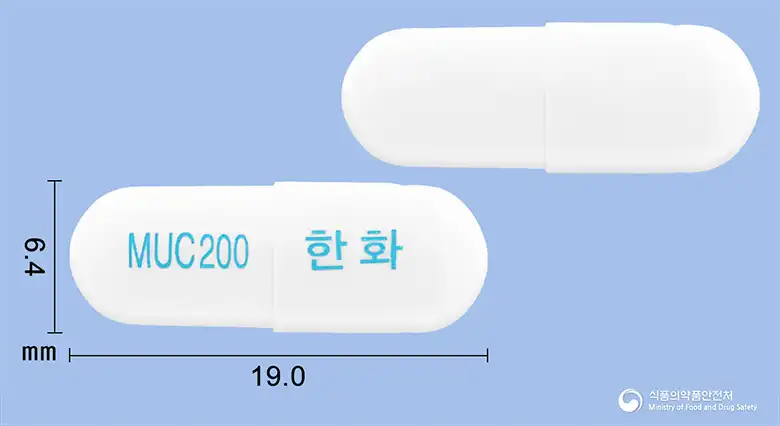
Acetylcysteine 200mg
Hard capsule · OTC medication
Hanwha Pharmaceutical Co., Ltd.
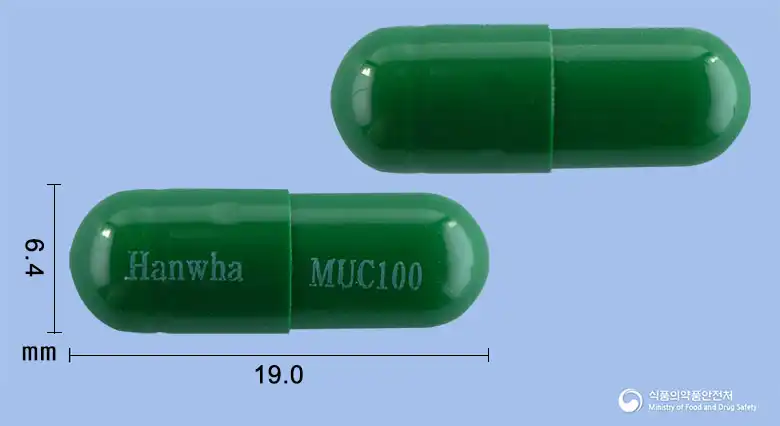
Acetylcysteine 100mg
Hard capsule · OTC medication
Hanwha Pharmaceutical Co., Ltd.
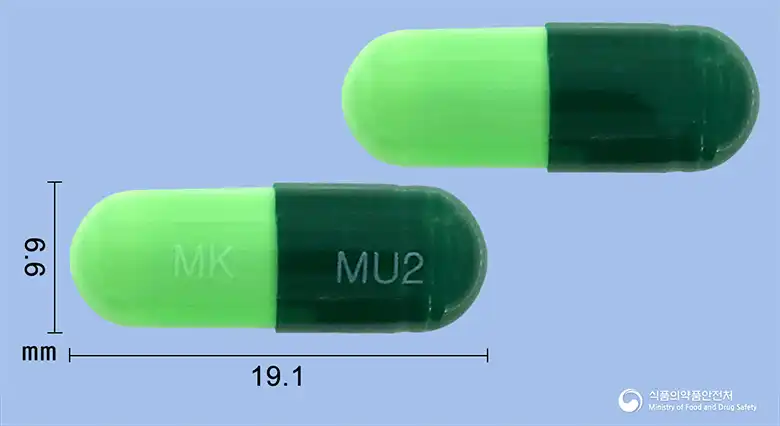
Acetylcysteine 200mg
Hard capsule · OTC medication
(Medica Korea Co., Ltd.)
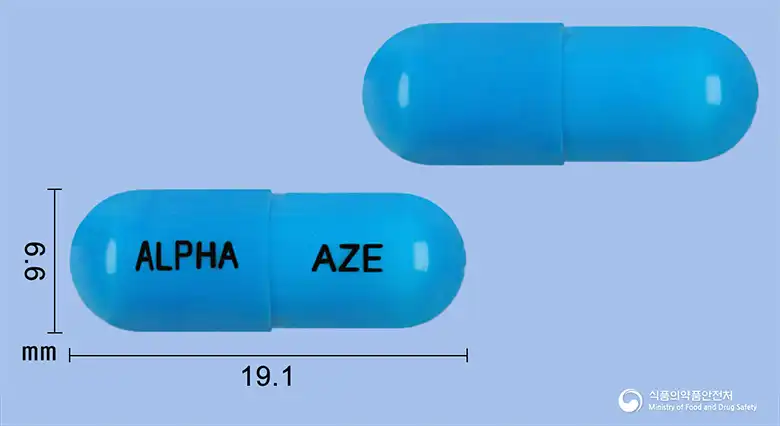
Acetylcysteine 200mg
Hard capsule · OTC medication
Alpha Pharmaceutical Co., Ltd.
Even with the same ingredient, the dose and directions can differ by strength and dosage form. Talk to a doctor or pharmacist before switching from a medication you are already taking.
No questions yet.
For anything that needs medical judgment, consult a doctor or pharmacist.
This drug information is based on data provided by the Korea Ministry of Food and Drug Safety.
Consult a doctor or pharmacist for accurate dosage, administration, and usage instructions.