
 한국어
 English
 日本語
 中文(简体)
 Viewing now
Jonggeun Dang Rimathil Tablet (Busiramine)
Bucillamine 100mg
Prescription medication
Jonggeun Dang Co., Ltd.
MFDS item code 199100118 · Approved 1991.01.21 · Insurance code 643302640
Treatment of chronic rheumatoid arthritis
This medication is used to alleviate joint inflammation and pain in patients with chronic rheumatoid arthritis and to improve joint function.
Used when sufficient efficacy cannot be achieved with anti-inflammatory analgesics, etc. ○ Adults: The usual dose of bucillamine is 100 mg orally 3 times daily after meals. After an effect is achieved, the dose may be adjusted as appropriate within the range of 100~300 mg per day, according to the patient's symptoms, sensitivity, and response to this medication. The maximum daily dose is 300 mg of bucillamine.
This medication should not be administered to patients with blood disorders or impaired bone marrow function. Caution is required when using this medication in patients with poor kidney function, as serious renal issues may arise. It is advisable not to administer this drug to children as safety has not been established. Patients who have had allergic reactions to this medication or its ingredients should avoid use. Particular caution is needed when using this medication in patients immediately post-surgery, elderly patients, or those in poor overall health, as well as in patients with blood disorders or issues with kidney or liver function. This medication may cause shock or allergic reactions, so if symptoms such as skin rash, itching, vomiting, difficulty breathing, or hypotension occur, use of the drug should be immediately stopped and appropriate treatment should be sought. Mental symptoms such as drowsiness, headache, and dizziness may occur, and if such symptoms arise, consultation with a healthcare professional is required. Additionally, neurological symptoms like taste disturbances or blurred vision, hand numbness may also occur, warranting caution. Gastrointestinal symptoms can include constipation, loss of appetite, nausea, vomiting, diarrhea, and abdominal pain; if these symptoms occur, drug usage should be stopped or dosages adjusted. Respiratory effects may occur rarely, including pneumonia, pleuritis, or pulmonary fibrosis; therefore, if difficulty breathing, dry cough, or fever develops, seek medical attention immediately. Hematological side effects may include anemia, thrombocytopenia, and agranulocytosis, necessitating regular blood tests before and during treatment, stopping the drug immediately if abnormal signs emerge. Muscle and joint effects can include myasthenia, decreased muscle strength, and polymyositis, so if these symptoms arise, consult with medical personnel. Skin-related side effects can be serious, such as Stevens-Johnson syndrome or toxic epidermal necrolysis, requiring immediate cessation of use if skin abnormalities occur. Liver function abnormalities have also been reported, necessitating regular liver function tests, with cessation of use warranted if any irregularities are detected. As the medication may affect kidney function, kidney status should be monitored through urinalysis, and use should be stopped immediately if abnormal signs arise. This medication is used for the treatment of chronic rheumatoid arthritis, and patients should be adequately informed about the side effects of the medication and how to respond if symptoms occur. Blood, kidney, and liver function tests must be conducted before and during treatment; decisions regarding medication usage should be based on test results. Caution is needed when using with gold injections, as adverse reactions may increase or efficacy may decrease when used concurrently. During pregnancy, particularly late pregnancy, use should be avoided as it may harm the fetus, and during lactation, as the drug may be secreted in breast milk, it is advisable to halt breastfeeding or discontinue medication use. Safety has not been established in children, so it is preferable not to use this medication in that population. This medication may yield false-positive results in urine ketone tests, so caution is warranted in interpreting test results. Lastly, this medication should be kept out of reach of children, and transferring it to other containers is discouraged for quality maintenance.
Not everyone experiences these, and they can vary from person to person.
This medication should be stored in a tightly sealed container to prevent exposure to air or moisture, away from direct sunlight and at room temperature. Doing so helps maintain the drug's efficacy over time.
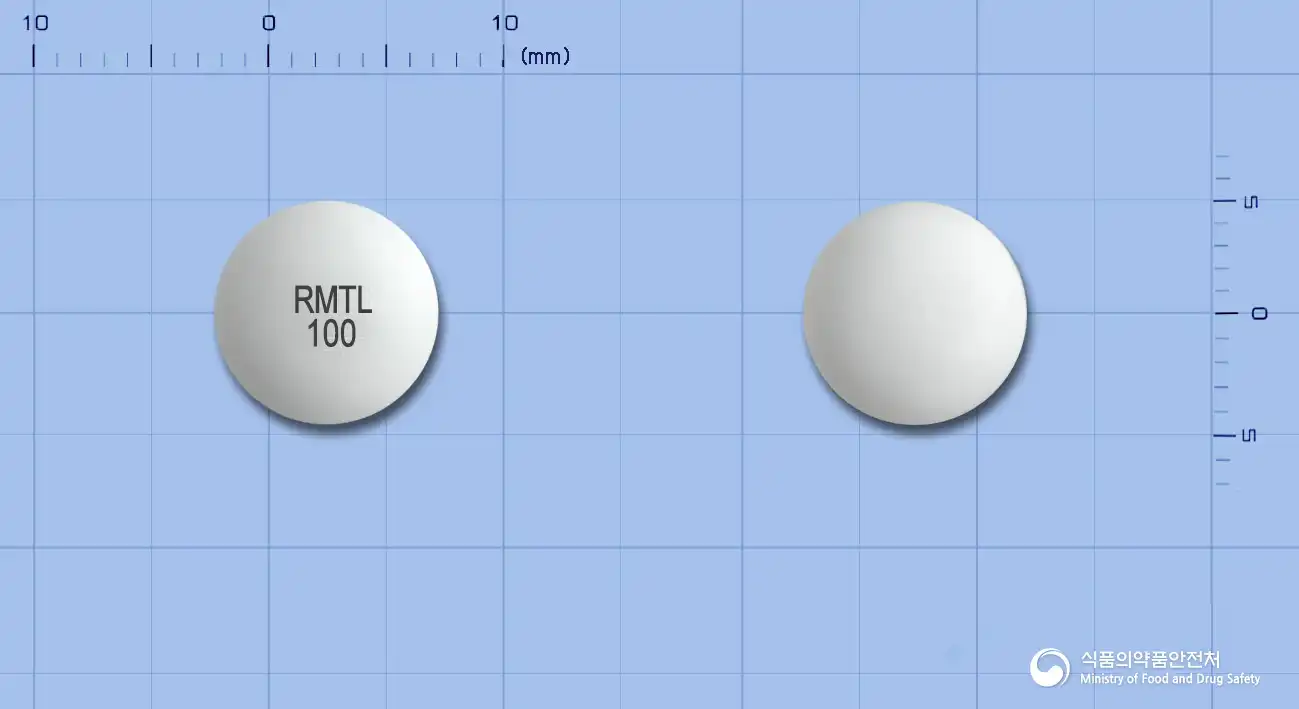
This medication is a white, round, coated tablet.
100 tablets (10 tablets/PTP x 10)
Even with the same ingredient, strength, dosage form and how it is taken can differ.
Even with the same ingredient, the dose and directions can differ by strength and dosage form. Talk to a doctor or pharmacist before switching from a medication you are already taking.
No questions yet.
For anything that needs medical judgment, consult a doctor or pharmacist.
This drug information is based on data provided by the Korea Ministry of Food and Drug Safety.
Consult a doctor or pharmacist for accurate dosage, administration, and usage instructions.