
 한국어
 English
 日本語
 中文(简体)
 Viewing now
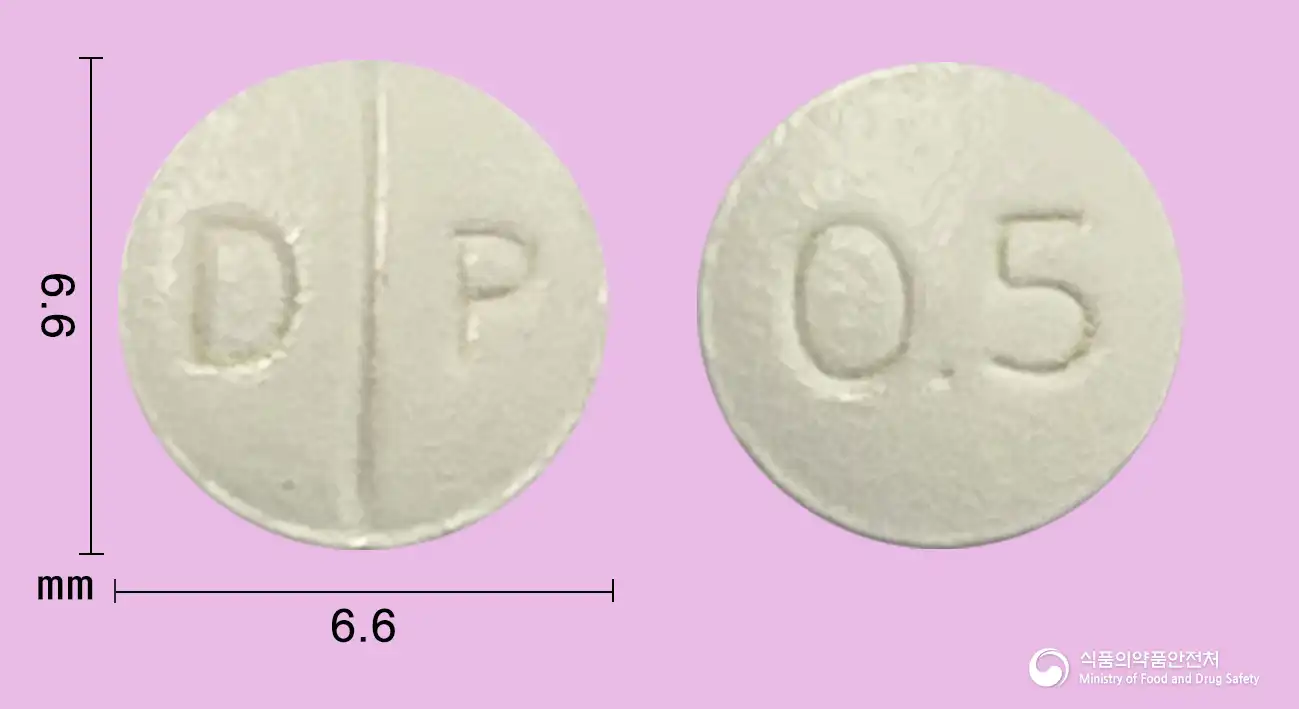
Depas Tablet 0.5 mg (Etizolam)
Etizolam 0.5mg
Tablet · Prescription medication
Jongkundang Co., Ltd.
MFDS item code 199002729 · Approved 1990.02.01 · Insurance code 643300310
Relief of psychosomatic symptoms (e.g., anxiety, tension), muscle tension, and sleep disorders
This medication is used to relieve anxiety, tension, and depressive symptoms caused by various neuroses and mental health issues. It particularly improves anxiety and tension states associated with neuroses or depression, and reduces mental stress symptoms arising from psychosomatic disorders such as hypertension and gastrointestinal issues. It is also effective in alleviating anxiety and muscle tension experienced in muscle-related conditions like cervical spondylosis, lower back pain, and tension headaches, as well as improving related sleep disorders. By relieving overall mental and physical tension, it helps enhance the quality of life of patients. Therefore, this medication is widely used to treat anxiety, tension, depression, and related sleep disorders.
○ Adults 1) Neurosis, depression: Administer 3㎎ of etizolam per day orally in 3 divided doses. 2) Psychosomatic disorders, cervical spondylosis, low back pain, tension headache due to muscle contraction: Administer 1.5㎎ per day in 3 divided doses. 3) Sleep disorders: Administer 1-3㎎ once daily before bedtime. Elderly patients may receive up to 1.5㎎ per day. Adjust the dose appropriately according to age and symptoms.
This drug should not be used in patients with acute closed-angle glaucoma, as it may worsen glaucoma symptoms by interfering with cholinergic action. Patients with severe myasthenia gravis should also avoid this medication, as its muscle relaxant effects may exacerbate symptoms. Those with an allergy to this drug or to benzodiazepine-class medications should not use it. Administration is prohibited in patients with severe respiratory failure, as it could further reduce respiratory function. Patients with significantly impaired liver function should refrain from taking this medication, as it is metabolized in the liver, leading to an increased risk of side effects due to drug accumulation in individuals with poor liver function. Patients with sleep apnea syndrome may also be at risk with this medication, so it should not be administered. Patients with alcohol or drug dependence should not take this medication, as it may exacerbate dependence. This drug contains lactose, so it should not be administered to patients with lactose intolerance or genetic deficiency of lactose-degrading enzymes. Patients with heart disease should use this drug cautiously, as it may lower blood pressure and worsen heart condition. Patients with impaired liver or kidney function may experience delayed drug excretion, necessitating caution. Patients with structural problems in the brain should be careful, as the effects of this medication may be pronounced. Patients with moderate to severe respiratory disorders may be at risk of carbon dioxide poisoning when administered this medication, thus requiring cautious use. Elderly patients are more likely to experience side effects such as movement disorders or excessive sedation, so treatment should start with a small dose and proceed carefully. Patients who are frail, those with depression, and children should also use this medication cautiously. Patients with spinal or cerebellar ataxia and those taking alcohol, sleeping pills, painkillers, antipsychotics, antidepressants, or lithium should be cautious when using this drug. This medication may cause drug dependence, so doses must be strictly adhered to, and abrupt discontinuation should be avoided. Rapid reduction may trigger withdrawal symptoms such as seizures, anxiety, and hallucinations. Because respiratory suppression or severe shortness of breath may occur, particular caution is needed for patients with very weak respiratory function. When taken with antipsychotics, the occurrence of malignant syndrome may necessitate immediate discontinuation and appropriate treatment upon symptom onset. Symptoms such as muscle pain, weakness, and irregular blood test results may indicate rhabdomyolysis, thus monitoring for such symptoms is required. If symptoms of interstitial pneumonia such as fever, cough, or breathing difficulty are suspected, immediate discontinuation and evaluation for diagnosis and treatment are required. Regular liver function tests are necessary, as liver dysfunction or jaundice may develop. Psychological abnormal reactions such as irritability, confusion, hallucination, or behavioral disorders may occur; if warning signs appear, discontinuation of this medication is warranted. Neurological side effects such as dizziness, drowsiness, gait disturbances, and headaches may occur. Various side effects including visual disturbances, shortness of breath, palpitations, nausea, constipation, and diarrhea may occur, so consult healthcare professionals if symptoms manifest. If allergic reactions such as rashes or itching occur, immediate discontinuation of this medication is warranted. This drug may cause drowsiness and impaired concentration; therefore, avoid driving or operating hazardous machinery. In patients with depression, there may be an increased risk of suicide when used alone, so it should be administered cautiously. Use should be limited to the shortest duration possible; with prolonged use, regular evaluations should be conducted, and dosages should be gradually reduced.
Not everyone experiences these, and they can vary from person to person.
This medication should be stored in a special container that does not allow light to penetrate, as it is sensitive to light. Additionally, store the medication at room temperature that is neither too hot nor too cold.
Film-coated white round tablet
30 tablets/bottle, 100 tablets/bottle
Even with the same ingredient, strength, dosage form and how it is taken can differ.
Viewing nowEtizolam 0.5mg
Tablet · Prescription medication
Jongkundang Co., Ltd.
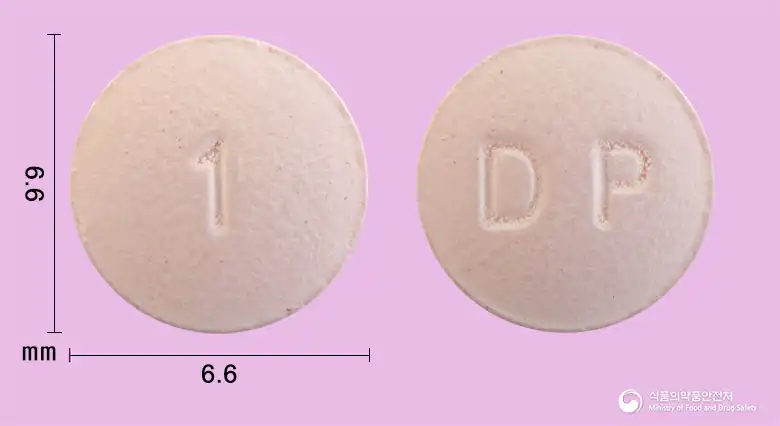
Etizolam 1mg
Tablet · Prescription medication
Jongkundang Co., Ltd.
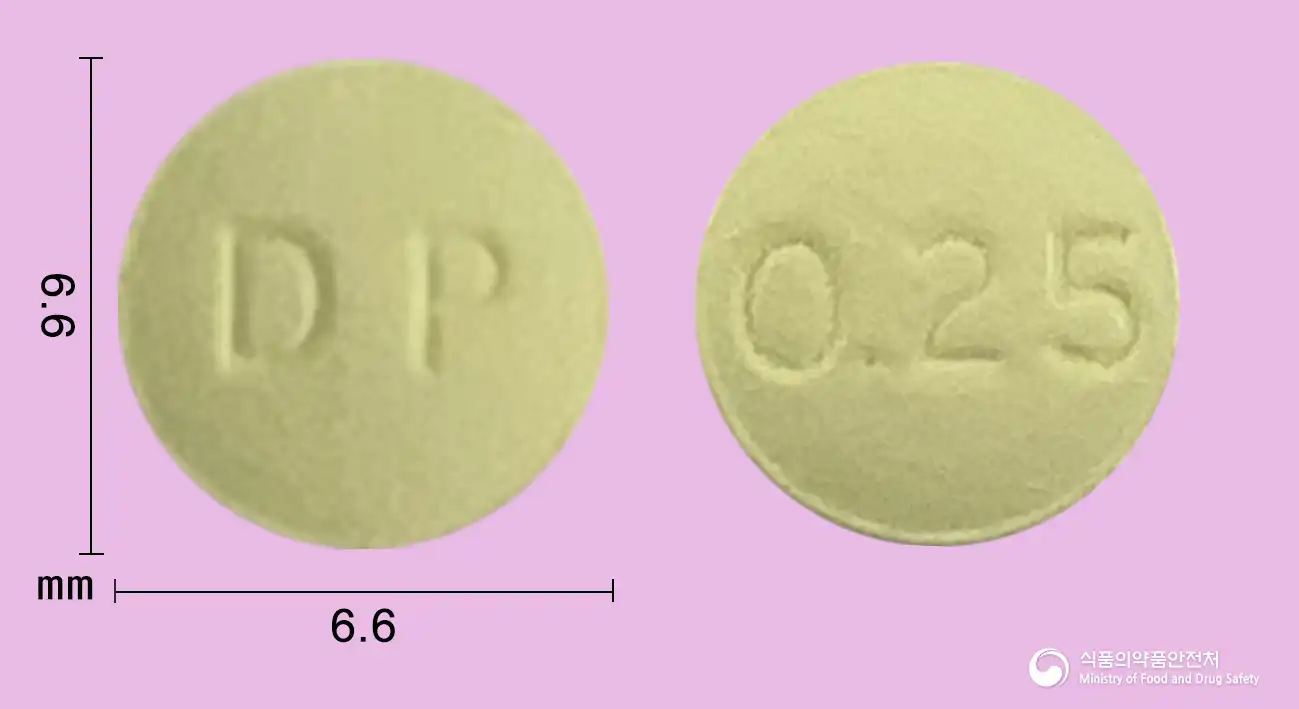
Etizolam 0.25mg
Tablet · Prescription medication
Jongkundang Co., Ltd.
Even with the same ingredient, the dose and directions can differ by strength and dosage form. Talk to a doctor or pharmacist before switching from a medication you are already taking.
No questions yet.
For anything that needs medical judgment, consult a doctor or pharmacist.
This drug information is based on data provided by the Korea Ministry of Food and Drug Safety.
Consult a doctor or pharmacist for accurate dosage, administration, and usage instructions.