
 한국어
 English
 日本語
 中文(简体)
 Viewing now
Mephchinjung 25 Micrograms (Procaterol Hydrochloride Hydrate)
Procaterol Hydrochloride Hydrate 0.025mg
Tablet · Prescription medication
Otsuka Pharmaceutical Co., Ltd.
MFDS item code 198902560 · Approved 1989.11.18 · Insurance code 649900050
Relief of dyspnea associated with bronchial asthma, acute or chronic bronchitis, and emphysema
This medication is used to relieve various symptoms such as dyspnea caused by obstructive airway disorders, including bronchial asthma, acute and chronic bronchitis, emphysema, and asthmatic bronchitis.
Adults: Administer 50μg of procaterol hydrochloride hydrate orally once daily (at bedtime) or twice daily (in the morning and at bedtime). Adjust the dose as appropriate according to age and symptoms.
Children (6 years and older): Administer 25μg per dose once daily (at bedtime) or twice daily (in the morning and at bedtime) (for the 25μg formulation only).
This medication should not be used in patients with hypertrophic cardiomyopathy. It should be used cautiously in patients with hyperthyroidism, hypertension, heart failure, arrhythmias, diabetes, those with sensitivity to sympathomimetic amines, and in pregnant women or women who may become pregnant. When using this medication, mental and neurological symptoms such as headaches, trembling, drowsiness, tinnitus, dizziness, and insomnia may occur, so caution is advised. Cardiovascular side effects such as increased heart rate or fluctuations in blood pressure may also occur, so the patient's condition should be closely monitored. Gastrointestinal symptoms such as indigestion, nausea, and vomiting may also occur, so report any unusual symptoms. Respiratory symptoms such as coughing or bronchitis may rarely occur. Allergic reactions such as skin rash, urticaria, angioedema, and bronchospasm may occur, and if such symptoms appear, the medication should be discontinued immediately. Overdose can cause heart problems, so the prescribed dosage must be strictly followed. Particularly when administering the medication to children, ensure they understand the correct usage and monitor their progress carefully. This medication may lower blood potassium levels, so caution is needed when using it with other medications that can affect potassium levels, and routine monitoring of blood potassium levels is advisable. Using this medication in combination with epinephrine or isoproterenol can increase the risk of cardiac arrhythmias or cardiac arrest, and should not be used together. Additionally, using it with MAO inhibitors or tricyclic antidepressants can increase vascular side effects, so caution is required. It should not be used with non-selective beta-blockers, and patients taking multiple sympathomimetics should also be cautious. Pregnant women or women who may become pregnant should only be treated with this medication when the benefits outweigh the risks. Safety in premature and newborn infants has not been confirmed; therefore, use should be avoided. Elderly patients may have reduced bodily function, so dosage should be adjusted and used with caution. In cases of overdose, symptoms may improve after discontinuing the medication, but a cardioselective beta-blocker may be used if necessary, although caution is needed in patients with a history of bronchospasm. This medication may interfere with allergen intradermal reaction tests, so it is advised not to administer it 12 hours before testing.
headache
Not everyone experiences these, and they can vary from person to person.
This medication should be stored in a tightly closed container that is well sealed from air, at room temperature between 1°C and 30°C. Storing it this way helps maintain the medication's effectiveness for a longer time.
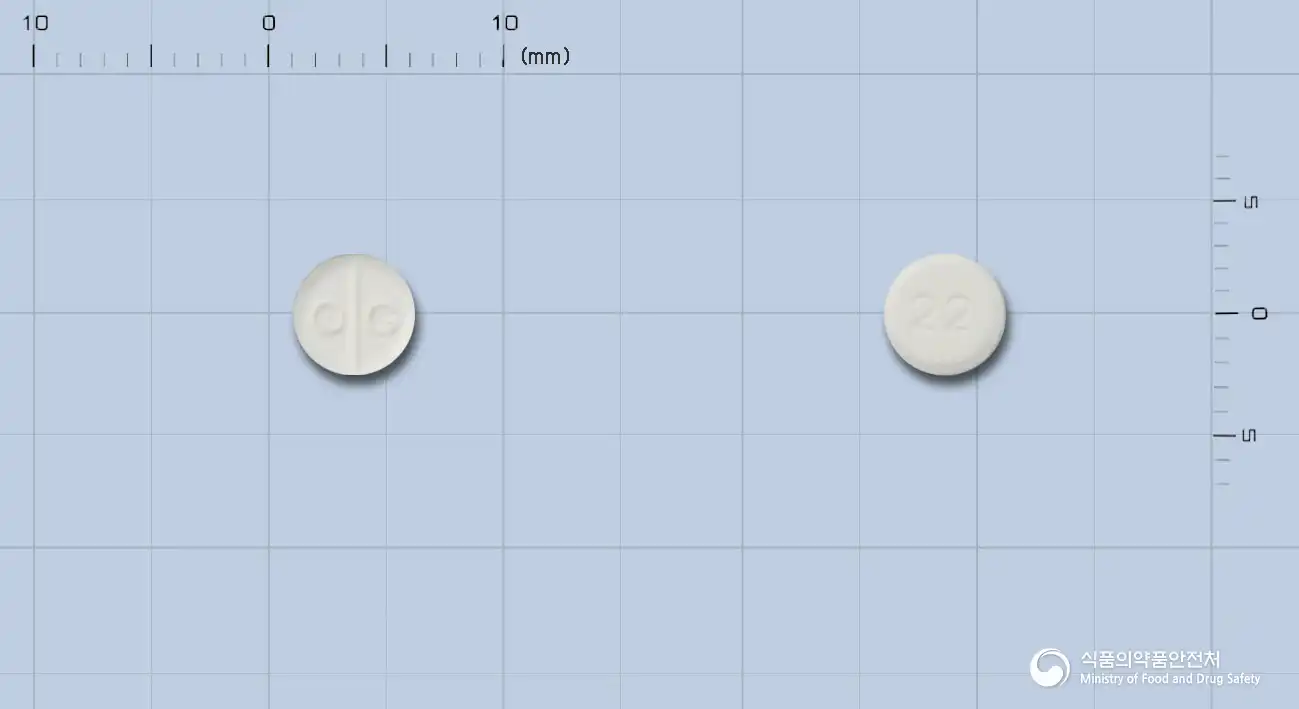
The product is a white tablet.
100 tablets/box [(10 tablets/PTP x 10)], 500 tablets/bottle
Even with the same ingredient, strength, dosage form and how it is taken can differ.
Viewing nowProcaterol Hydrochloride Hydrate 0.025mg
Tablet · Prescription medication
Otsuka Pharmaceutical Co., Ltd.
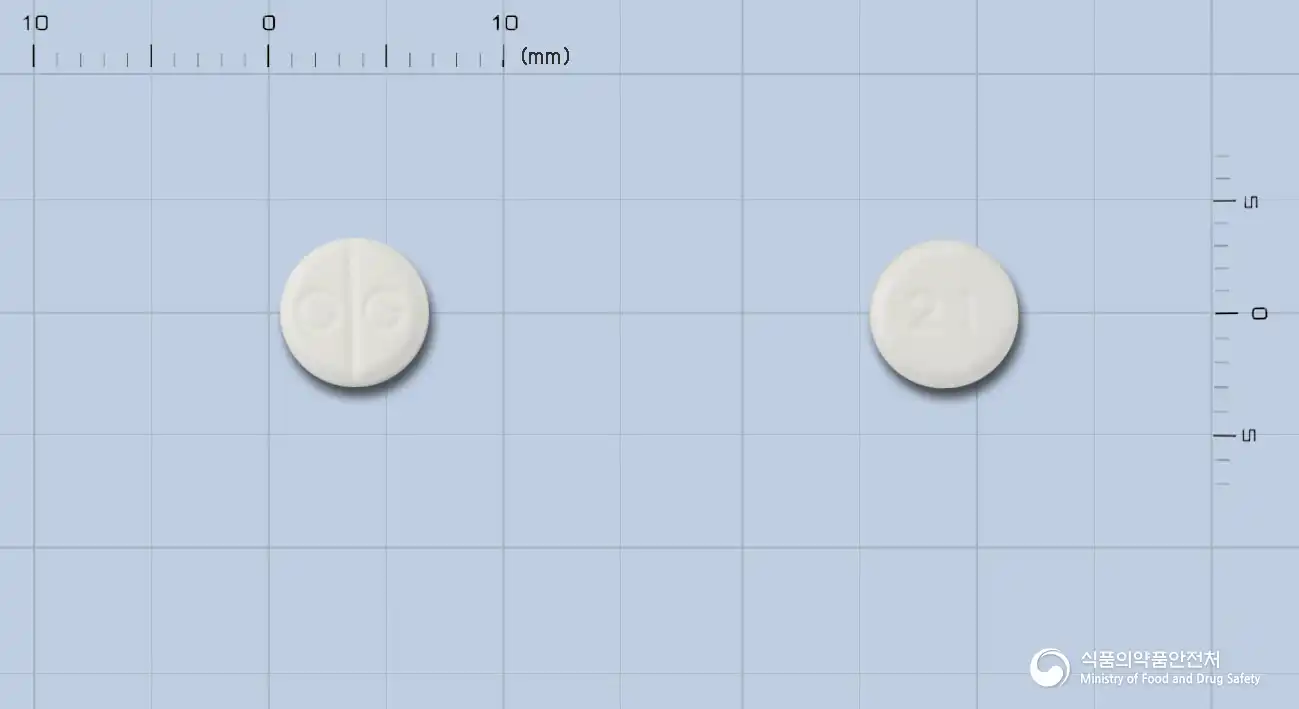
Procaterol Hydrochloride Hydrate 0.05mg
Tablet · Prescription medication
Korea Otsuka Pharmaceutical Co., Ltd.
Even with the same ingredient, the dose and directions can differ by strength and dosage form. Talk to a doctor or pharmacist before switching from a medication you are already taking.
No questions yet.
For anything that needs medical judgment, consult a doctor or pharmacist.
This drug information is based on data provided by the Korea Ministry of Food and Drug Safety.
Consult a doctor or pharmacist for accurate dosage, administration, and usage instructions.