
 한국어
한국어 English
 日本語
日本語 中文(简体)
Dosage form image
Viewing nowExpectorant Syrup 2% (Carbocisteine)
Carbocisteine 2g
Syrup · OTC medication
Farmgen Science Co., Ltd.
MFDS item code 198901706 · Notified 1989.10.24 · Insurance code 670101532
Improvement in difficulty in expectorating phlegm (bronchitis, asthma, etc.) and treatment of sinusitis drainage.
This medication is used to improve symptoms of difficulty in expectoration in acute and chronic bronchitis, bronchial asthma, bronchiectasis, and pharyngitis. It also helps in draining pus from the inflamed areas of chronic sinusitis and draining pus or fluid from effusive otitis media. In other words, it aids in the removal of uncomfortable phlegm and inflammatory substances related to respiratory and sinus diseases, helping to alleviate symptoms and enhance therapeutic effects.
Adults: Initially, take 750 mg of carbocisteine 3 times a day orally, and when symptoms improve, take 500 mg 3 times a day.
Ages 6 to 12: Take 250 mg of carbocisteine 3 times a day. Ages 2 to 5: Take 250 to 500 mg of this medication divided into 4 doses daily.
This medication should not be taken by patients with ulcers in the stomach and duodenum. Additionally, those with allergic reactions to this medication or its components should avoid taking it. It is considered safe not to use this medication in children under 2 years of age. Patients with liver issues or heart diseases should consult a doctor or pharmacist before using this medication. It is also important to discuss with a specialist if there has been a history of gastric or duodenal ulcers. Women who are pregnant or may become pregnant are advised not to take this medication due to the lack of established safety. Particularly, it is recommended to avoid taking it within the first three months of pregnancy. Breastfeeding women are also advisable not to take this medication. Care should be taken when administering this medication to the elderly or those with decreased physiological function, potentially reducing the dosage. If symptoms such as nausea, vomiting, abdominal bloating, gastrointestinal bleeding, heartburn, loss of appetite, diarrhea, or inflammation of the mouth occur during the use of this medication, it should be discontinued immediately and a specialist should be consulted. Also, if symptoms like skin rashes, red spots, eczema, headaches, nasal inflammation, itching, palpitations, runny nose, or systemic pressure occur, immediate medical attention should be sought. In severe cases, there may be serious damage to skin mucosa, liver dysfunction, shock, or anaphylactic reactions, warranting caution. Discontinuation of the medication is required if coughing persists for more than 14 days, and consultation with a specialist is necessary. In case of overdose, gastric lavage may be helpful and gastrointestinal disturbances are the most common side effects. When taken with antibiotics or specific syrups, the color or odor of the medication may change, so it is advisable to take these medications separately. This medication should be stored out of reach of children and kept in a tightly closed container away from direct sunlight in a cool, dry place. Storing it in a different container than the original may pose a risk of misuse or deterioration in quality, so it must be stored in the original container.
Hives, severe swelling (edema), cold sweat, pallor, severe skin reactions (Stevens-Johnson syndrome, toxic epidermal necrolysis), liver abnormalities (jaundice), shock, anaphylactic-like reactions.
Not everyone experiences these, and they can vary from person to person.
This medication should be taken separately from antibiotics and syrups containing trimethoprim hydrochloride.
This medication should be stored in a tightly sealed container to prevent air or moisture from entering and is best kept at room temperature. Avoid extreme heat or cold, and it is safe to keep it in a cool place away from direct sunlight.
A clear syrup with a cherry flavor, colorless to light yellowish.
500 milliliters/bottle
Even with the same ingredient, strength, dosage form and how it is taken can differ.
Carbocisteine 2g
Syrup · OTC medication
Farmgen Science Co., Ltd.
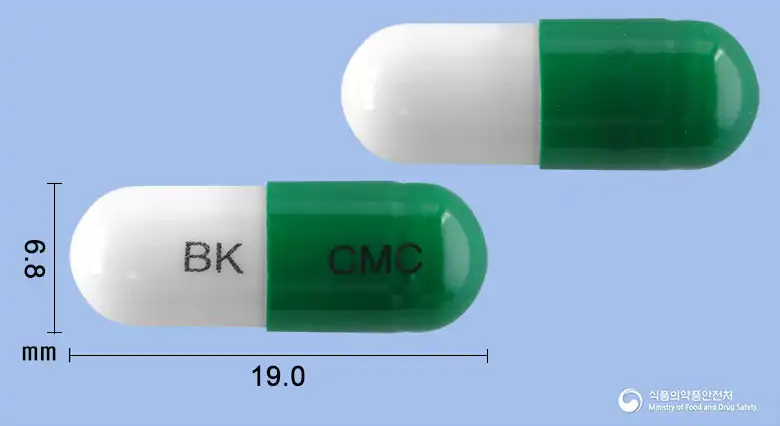
Carbocisteine 375mg
Hard capsule · OTC medication
Bukwang Pharmaceutical Co., Ltd.
Carbocisteine 5g
Syrup · OTC medication
Pharmgen Science Co., Ltd.
Carbocisteine 2000mg
Syrup · OTC medication
Bukwang Pharmaceutical Co., Ltd.
Carbocisteine 5000mg
Syrup · OTC medication
Bukwang Pharmaceutical Co., Ltd.
Carbocisteine 5g
Syrup · OTC medication
Il Sung IS Co., Ltd.
Carbocisteine 2g
Syrup · OTC medication
Il Sung IS Co., Ltd.
Even with the same ingredient, the dose and directions can differ by strength and dosage form. Talk to a doctor or pharmacist before switching from a medication you are already taking.
No questions yet.
For anything that needs medical judgment, consult a doctor or pharmacist.
This drug information is based on data provided by the Korea Ministry of Food and Drug Safety.
Consult a doctor or pharmacist for accurate dosage, administration, and usage instructions.