
 한국어
 English
 日本語
 中文(简体)
 Viewing now
Poxen Tablet 275 milligrams (Naproxen Sodium)
Naproxen Sodium 275mg
Tablet · OTC medication
Myeongin Pharmaceutical Co., Ltd.
MFDS item code 198900920 · Notified 1989.09.26 · Insurance code 651902320
Relief of pain (e.g., dysmenorrhea, migraine), joint disorders, and musculoskeletal disorders
This medication is used to treat degenerative joint diseases such as rheumatoid arthritis, osteoarthritis, ankylosing spondylitis, tendonitis, acute gout, and dysmenorrhea. It is also effective for bursitis, skeletal muscle disorders (sprains, bruises, wounds, etc.), lower back pain, postoperative pain, migraines, and dental pain. It helps improve the symptoms of patients with various inflammatory and pain-related conditions.
1. Rheumatoid arthritis, osteoarthritis, ankylosing spondylitis Adults: Administer naproxen sodium 275-550mg orally twice daily (every 12 hours). 2. Acute gout Adults: Administer an initial dose of naproxen sodium 825mg orally, followed by 275mg orally at 8-hour intervals until the attack resolves. 3. Musculoskeletal disorders, postoperative pain, pain after tooth extraction, dysmenorrhea, tendinitis, bursitis Adults: Administer an initial dose of naproxen sodium 550mg orally, followed by 275mg at 6-8-hour intervals. Do not exceed a total daily dose of 1350mg. 4. Migraine Adults: Administer an initial dose of naproxen sodium 825mg orally. If necessary, an additional 275-550mg may be administered per day, 30 minutes after the initial dose. Do not exceed a total daily dose of 1350mg. Adjust the dose as appropriate according to age and symptoms.
If this medication is taken by someone who regularly consumes more than three glasses of alcohol a day, it may cause gastrointestinal bleeding, and it is essential to consult a doctor or pharmacist. This medication, which belongs to the non-steroidal anti-inflammatory drug (NSAID) class, may increase the risk of cardiovascular disease, so those with heart disease or risk factors should be especially cautious. If cardiovascular symptoms develop while taking this medication, immediate consultation with a physician is necessary, and regular monitoring is required even in the absence of symptoms. There is a risk of gastrointestinal bleeding, ulcers, and perforation, so individuals with a history of gastrointestinal disorders or the elderly should be particularly careful. Long-term use of this medication may lead to gastrointestinal adverse reactions, and if symptoms of gastrointestinal bleeding or ulcers occur, treatment should be sought immediately. Patients with a history of peptic ulcer, severe blood disorders, liver dysfunction, heart failure, severe hypertension, or hypersensitivity to this medication or NSAIDs should not take this medication. Individuals who have experienced asthma, rhinitis, or allergic reactions due to aspirin or other NSAIDs should also avoid this medication. Patients with a history of peptic ulcers or blood disorders, a tendency for bleeding, liver dysfunction, kidney dysfunction, heart dysfunction, hypertension, hypersensitivity, asthma, autoimmune diseases, and the elderly should take this medication with caution. During treatment, allergic symptoms, gastrointestinal bleeding, liver dysfunction, kidney dysfunction, skin rashes, difficulty breathing, and severe headaches may occur, so if any abnormal symptoms arise, discontinuation and consultation with a physician are necessary. It is essential to have regular blood tests, liver function tests, and kidney function tests during long-term use. Patients with hypertension should frequently monitor their blood pressure as this medication may raise blood pressure. It is best for pregnant women, particularly in late pregnancy, to avoid this medication as it may harm the fetus, and nursing mothers should also avoid it as the ingredients can be transmitted to breast milk and affect the newborn. For infants under 2 years of age, safety has not been established, so it is advisable not to administer this medication, and the elderly should start with lower dosages and exercise caution. This medication may interact with other NSAIDs or specific drugs, so if taking other medications, be sure to inform a doctor or pharmacist. In cases of overdose, symptoms such as drowsiness, indigestion, and vomiting may occur, so if these symptoms are present, visit a healthcare institution immediately and keep it out of reach of children.
Shock symptoms (shortness of breath, hypotension, bradycardia, cold sweat, edema), PIE syndrome (fever, wheezing, cough, sputum), urticaria, rash, itching, hematemesis, gastrointestinal bleeding, peptic ulcer, perforation, upper abdominal discomfort, stomach pain, abdominal pain, nausea, vomiting, loss of appetite, dyspepsia, heartburn, diarrhea, constipation, stomatitis, abdominal bloating, melena, thirst, agranulocytosis, eosinophilia, leukopenia, thrombocytopenia, aplastic anemia, hemolytic anemia, platelet dysfunction, elevated GOT, elevated GPT, jaundice, hepatitis, kidney impairment, glomerulonephritis, hematuria, hyperkalemia, interstitial nephritis, nephrotic syndrome, renal papillary necrosis, proteinuria, renal failure, aseptic meningitis, drowsiness, cognitive dysfunction, dizziness, headache, numbness in extremities, decreased libido, fatigue, depression, abnormal dreams, loss of concentration, disorientation, insomnia, myalgia, muscle weakness, eczema, sweating, purpura, photosensitivity, alopecia, erythema, necrotizing lysis, erythema multiforme, Stevens-Johnson syndrome, epidermolysis bullosa, drug reactions associated with eosinophilia and systemic symptoms, fixed drug eruption, tinnitus, hearing impairment, visual impairment, edema, shortness of breath, palpitations, myasthenia, congestive heart failure, eosinophilic pneumonia, anaphylactic reaction, menstrual disorders, chills, fever, vasculitis, hyperglycemia, hypoglycemia
Not everyone experiences these, and they can vary from person to person.
Do not take this medication with other non-steroidal anti-inflammatory drugs, naproxen derivatives, aspirin, and high doses of methotrexate. Hydantoin anticonvulsants, sulfonamides, sulfonylurea hypoglycemics, propranolol and other beta-blockers, ACE inhibitors, loop diuretics and thiazide diuretics, probenecid, lithium, low-dose methotrexate, coumarin anticoagulants, zidovudine, and fluoroquinolone antibiotics.
This medication should be stored in a tightly sealed container to prevent exposure to air or moisture. It is important to maintain a storage temperature between 1 and 30 degrees Celsius.
Blue rectangular film-coated tablet.
10 tablets (10 tablets/PTP x 1), 500 tablets/bottle
Even with the same ingredient, strength, dosage form and how it is taken can differ.
Viewing nowNaproxen Sodium 275mg
Tablet · OTC medication
Myeongin Pharmaceutical Co., Ltd.

Naproxen Sodium 275mg
Tablet · OTC medication
Jongkundang Co., Ltd.

Naproxen Sodium 275mg
Tablet · OTC medication
Hanin Pharmaceutical Co., Ltd.

Naproxen Sodium 275mg
Tablet · OTC medication
GL Pharma Co., Ltd.

Naproxen Sodium 275mg
Tablet · OTC medication
Korea Pharmaceutical Co., Ltd.
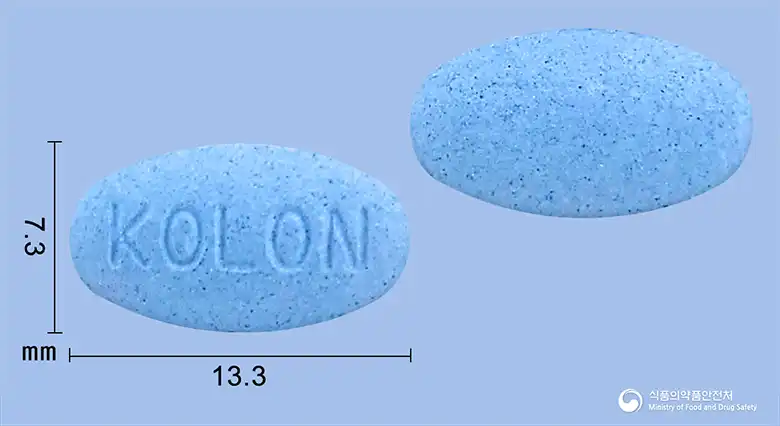
Naproxen Sodium 275mg
Tablet · OTC medication
Kolon Pharmaceutical Co., Ltd.
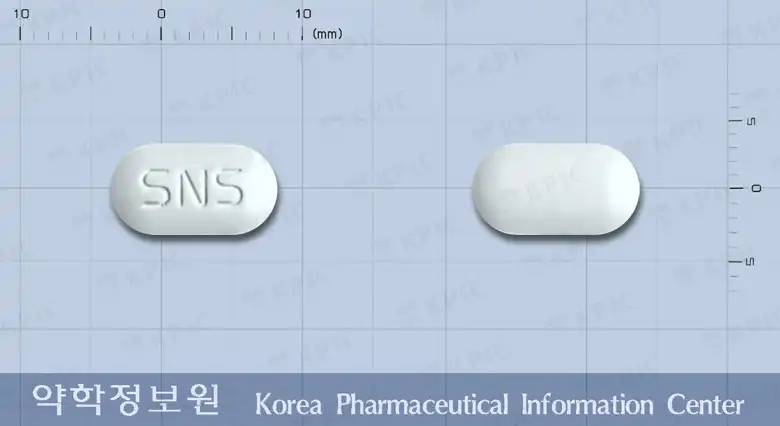
Naproxen Sodium 275mg
Tablet · OTC medication
Youngpoong Pharmaceutical Co., Ltd.
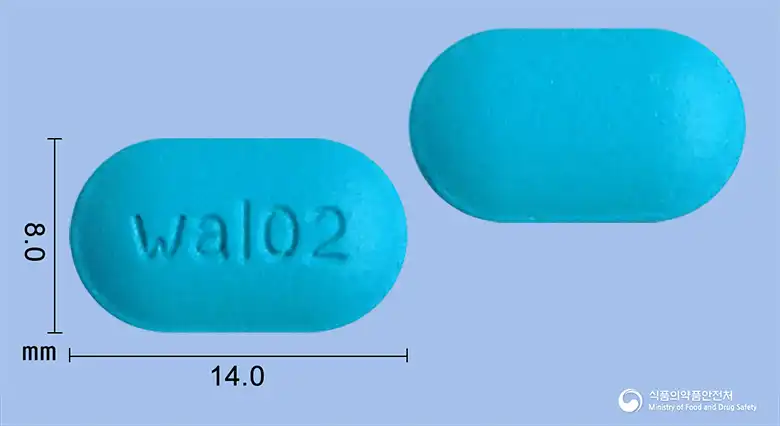
Naproxen Sodium 275mg
Tablet · OTC medication
Austin Pharmaceutical Co., Ltd.
Even with the same ingredient, the dose and directions can differ by strength and dosage form. Talk to a doctor or pharmacist before switching from a medication you are already taking.
No questions yet.
For anything that needs medical judgment, consult a doctor or pharmacist.
This drug information is based on data provided by the Korea Ministry of Food and Drug Safety.
Consult a doctor or pharmacist for accurate dosage, administration, and usage instructions.