
 한국어
한국어 English
 日本語
日本語 中文(简体)
Dosage form image
Viewing nowCheil Sodium Bicarbonate Injection 8.4%
Sodium Bicarbonate 84mg
Injections · Prescription medication
Jeil Pharmaceutical Co., Ltd.
MFDS item code 198900524 · Notified 1989.05.25 · Insurance code 650500831,650501411
Relief of symptoms of acidosis and acute urticaria.
Acidosis refers to a condition where acidic substances excessively accumulate in the body, leading to acidification of the blood, while acute urticaria is an allergic reaction characterized by sudden skin rashes and itching. This medication is used for acidosis and acute urticaria.
Administer by intravenous injection of 1-5g (12-60 mEq) of sodium bicarbonate per dose. The usual dosage for acidosis is calculated according to the following formula and administered intravenously. Required amount (mEq) = Base Deficit (mEq/L) × 0.2 × Weight (kg) Adjust dosage as appropriate based on age and symptoms.
As this medication is an ampoule injection, caution must be taken to prevent glass fragments from mixing when opening the container. Extra caution should be exercised when using it on children or the elderly. This medication should not be used in patients with renal disease, metabolic or blood alkalosis, or patients with hypertension. Additionally, it should not be administered to patients who are hypochloremic due to gastric fluid aspiration or vomiting, patients taking diuretics that cause hypochloremic alkalosis, or patients with edema or congestive heart failure. Patients with hypocalcemia or depletion of potassium, hypernatremia, and patients with reduced respiration should also avoid using this medication. Care should be taken when administering this medication to patients with preeclampsia, hypocalcemia, hypokalemia, neonates, cardiac arrest, oliguria or anuria. In cases of overdose, symptoms such as alkalosis, hypernatremia, hypokalemia, prolonged blood coagulation time, muscle cramps and rigidity, hyperventilation and pulmonary edema, arrhythmias, and mental changes may occur; thus, caution is advised. Additionally, rare side effects such as numbness of the lips, sensory abnormalities, tissue inflammation or necrosis due to extravasation, fever, and nausea may occur. When administered intravenously, blood acidity and carbon dioxide levels should be regularly monitored to prevent alkalosis due to overdose. Sufficient ventilation is necessary to completely eliminate carbon dioxide during cardiopulmonary resuscitation. Care should be taken when used in conjunction with corticosteroids or certain diuretics due to potential interactions that may lead to side effects. Additionally, using potassium supplements alongside this medication may lead to decreased serum potassium levels. The safety of this medication has not been established in pregnant or breastfeeding women, and it should only be used when the potential benefits outweigh the risks. Breastfeeding mothers should consider stopping breastfeeding while using this medication. High concentrations given to neonates may cause intracranial hemorrhage, so it should be diluted and administered slowly. Elderly patients have decreased physiological functions, so the administration rate should be slow and the dosage should be adjusted accordingly. In suspected cases of overdose, administration should be stopped, and appropriate treatment should be received. If necessary, acidifiers or calcium preparations may be used to alleviate symptoms. This medication should not be mixed with other injections or used with preparations that contain calcium. If the packaging is damaged or the contents are discolored or cloudy, it should not be used, and before administration, any crystals should be melted by warming. When administering, it is crucial to ensure that the intravenous needle is correctly positioned and to avoid leakage outside the vessel. If phlebitis occurs, the injection site may be changed or administration may be stopped. Keep out of reach of children and do not transfer the medication from its original container into another container to prevent misuse or degradation of quality.
Pulmonary edema, seizures.
Not everyone experiences these, and they can vary from person to person.
This medication should be stored in a sealed container to prevent air or moisture from entering. This helps maintain the effectiveness of the medication for a long time.
A colorless and transparent liquid in a colorless and transparent ampoule, vial, or plastic (polypropylene or polyethylene) aqueous injection container.
10 ampoules/box [(20 milliliters/ampoule)]
Even with the same ingredient, strength, dosage form and how it is taken can differ.
Sodium Bicarbonate 84mg
Injections · Prescription medication
Jeil Pharmaceutical Co., Ltd.
Sodium Bicarbonate 84mg
Injections · Prescription medication
Dae Won Pharmaceutical Co., Ltd.
Sodium Bicarbonate 7g
Solution · Prescription medication
JW Pharmaceutical Corp.
Sodium Bicarbonate 1g
Prescription medication
Vantiv Korea Co., Ltd.
Sodium Bicarbonate 5.83g
Solution · Prescription medication
JW Pharmaceutical Corp.
Sodium Bicarbonate 1g
Prescription medication
Fresenius Medical Care Korea Co., Ltd.
Sodium Bicarbonate 84mg
Injections · Prescription medication
Daehan Pharmaceutical Industry Co., Ltd.
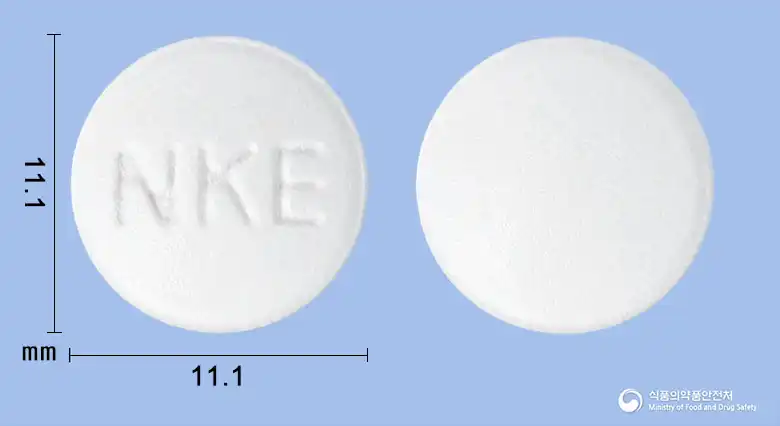
Sodium Bicarbonate 500mg
Tablet · OTC medication
NexPharm Korea Co., Ltd.
Even with the same ingredient, the dose and directions can differ by strength and dosage form. Talk to a doctor or pharmacist before switching from a medication you are already taking.
No questions yet.
For anything that needs medical judgment, consult a doctor or pharmacist.
This drug information is based on data provided by the Korea Ministry of Food and Drug Safety.
Consult a doctor or pharmacist for accurate dosage, administration, and usage instructions.