
 한국어
 English
 日本語
 中文(简体)
Dosage form image
Viewing nowSpitasin Tablets (Ciprofloxacin Hydrochloride)
Ciprofloxacin Hydrochloride
Prescription medication
Dongkwang Pharmaceutical Co., Ltd.
MFDS item code 198900186 · Notified 1989.04.29
This product's status changed to Expired on 2023.04.01. It may no longer be sold, so consult a doctor or pharmacist before taking it.
Treatment of bacterial infections (e.g., urinary tract, respiratory tract, and skin infections)
This medication is effective against various bacteria, including Escherichia coli, Shigella, and Salmonella, and is used for respiratory infections excluding acute bronchitis and community-acquired pneumonia. It is also effective for infections of the ears, nose, and throat, bacterial prostatitis, urinary tract infections, gonococcal cervicitis and urethritis, gastrointestinal infections, biliary tract infections, skin and soft tissue infections, bone and joint infections, gynecological infections, peritonitis, and inflammatory conditions around the eyes. However, since it is a fluoroquinolone antibiotic, it is recommended to use it only when there are no other treatment options for acute bacterial rhinosinusitis, severe exacerbations of chronic bronchitis and chronic obstructive pulmonary disease, uncomplicated urinary tract infections, and acute otitis media. This medication can be effectively used to improve symptoms of various bacterial infections.
○ Adults: The usual dose of ciprofloxacin is 250 ~ 500 mg per dose, taken orally twice daily between meals. For severe complicated infections, the dose may be increased to 750 mg per dose twice daily. For acute infections, treatment is usually given for 5 ~ 10 days and continued for at least 3 days after symptoms have resolved. ○ Patients with renal impairment 1) Creatinine clearance > 50 mL/min: Administer the usual dose 2) 30 ~ 50 mL/mn: Administer 250 ~ 500 mg per dose twice daily 3) 5 ~ 29 mL/min: Administer 250 ~ 500 mg every 18 hours 4) Patients undergoing hemodialysis or peritoneal dialysis: Administer 250 ~ 500 mg per dose once daily after dialysis 5) If only serum creatinine is known, creatinine clearance can be calculated using the following equations. Men: {body weight (kg) × (140-age)}/ {72 × serum creatinine (mg/dL)} Women: 0.85 × the value calculated for men 6) For severe infections, the dose may be increased to 750 mg per dose even in patients with severe renal impairment; however, the patient's condition should be monitored carefully after administration. Adjust the dose appropriately according to symptoms.
This medication may lead to serious side effects such as tendonitis and tendon rupture, peripheral neuropathy, and central nervous system effects; caution is required. It should particularly not be administered to patients with severe myasthenia gravis due to the risk of exacerbation of symptoms. This medication should be used restrictively for specific infections like acute bacterial rhinosinusitis, acute exacerbations of chronic bronchitis, uncomplicated urinary tract infections, and acute otitis media. Elderly patients, those with renal impairment, transplant recipients, and patients taking corticosteroids should avoid concurrent usage due to increased risk of tendon rupture. If tendon pain or inflammation occurs while taking this medication, use should be stopped immediately, and rest should be taken, avoiding any physical activity. Patients with a history of allergy to this drug or similar drugs, pregnant women or those who may become pregnant, nursing mothers, adolescents under 18 years of age, and patients with epilepsy should not take this medication. Special caution is needed when administering to patients with a history of seizures, severely impaired kidney function, elderly patients, and those with severe myasthenia gravis. While taking this medication, symptoms such as mental confusion, depression, hallucinations, seizures, visual or auditory disturbances, severe skin rashes, and liver function abnormalities may occur; if any abnormal symptoms appear, consult medical personnel immediately. This medication interacts with many other drugs, especially caution is needed when taken with theophylline, warfarin, sulfonylurea antidiabetic drugs, tizanidine, and ketoprofen. Additionally, this medication may cause photosensitivity reactions, so strong sunlight or artificial UV exposure should be avoided, and caution should be exercised when driving or operating machinery during treatment. Pregnant or nursing women should avoid taking this medication, and it should not be administered to children and growing adolescents. In case of overdose, renal function should be monitored, and emergency treatment should be performed as necessary, keeping the medication out of reach of children and avoiding exposure to direct sunlight and UV light.
tendinitis, tendon rupture, peripheral neuropathy, central nervous system effects, exacerbation of myasthenia gravis, fungal superinfection, antibiotic-associated colitis, eosinophilia, thrombophlebitis, leukopenia, anemia, neutropenia, leukocytosis, thrombocytopenia, thrombocytosis, erythrocytopenia, hemoglobin reduction, hematocrit reduction, granulocytopenia, leukolysis, hemolytic anemia, agranulocytosis, pancytopenia, bone marrow suppression, increased INR value, syndrome of inappropriate antidiuretic hormone secretion, allergic reactions, allergic edema, angioedema, anaphylactic reactions, anaphylactoid shock, serum sickness-like reactions, loss of appetite, decreased food intake, increased serum alkaline phosphatase, hyperglycemia, hypoglycemia, increased lipase, abnormal prothrombin levels, increased amylase, motor hyperactivity, anxiety, confusion, disorientation, emotional instability, abnormal dreams, depression, hallucinations, psychotic reactions, toxic psychosis, headache, dizziness, sleep disorders, taste disorders, insomnia, sensory abnormalities, sensory loss, loss of taste, tremors, convulsions, dizziness, mental confusion, seizures, drowsiness, migraine, coordination disorders, olfactory disorders, anosmia, sensory hypersensitivity, increased intracranial pressure, ataxia, polyneuropathy, visual disturbances, color vision disorders, diplopia, tinnitus, hearing loss, transient hearing loss, auditory impairment, tachycardia, vasodilation, hypotension, syncope, vasculitis, QT prolongation, ventricular tachycardia, Torsades de Pointes, dyspnea, laryngeal edema, nausea, diarrhea, anorexia, gastric discomfort, vomiting, gastrointestinal and abdominal pain, abdominal distension, dyspepsia, pseudomembranous colitis, colitis with blood in stool, stomatitis, oral candidiasis, gastrointestinal candidiasis, pancreatitis, abnormal liver function tests, increased bilirubin, liver dysfunction, jaundice, hepatitis, cholestatic jaundice, liver necrosis, rash, itching, urticaria, photosensitivity, vesicles, petechiae, erythema multiforme, fixed drug eruption, acute generalized exanthematous pustulosis, arthralgia, musculoskeletal pain, myalgia, arthritis, increased muscle tension and cramping, joint swelling, myasthenia, muscle weakness, partial or complete tendon rupture, renal impairment, acute renal failure, hematuria, crystalluria, interstitial nephritis, vaginal candidiasis, undetermined pain, discomfort, fever, weakness, edema, sweating, gait disturbances, maculopapular rash, purpuric rash, aneurysm, aortic dissection, valvular regurgitation, valvular insufficiency, shock, hypotension, chest tightness, muscle weakness, rhabdomyolysis, cough, abnormal chest X-ray findings, eosinophilia, interstitial pneumonia, visual impairment, retinal detachment
Not everyone experiences these, and they can vary from person to person.
This medication should be stored in a tightly closed container to prevent air or moisture from entering. This helps maintain the medication's effectiveness over a longer period and prevents deterioration.
White round film-coated tablets
① (10 tablets/PTP)×1,3,10 ② 30 tablets (bottle), 100 tablets (bottle), 300 tablets (bottle)
Even with the same ingredient, strength, dosage form and how it is taken can differ.
Ciprofloxacin Hydrochloride
Prescription medication
Dongkwang Pharmaceutical Co., Ltd.
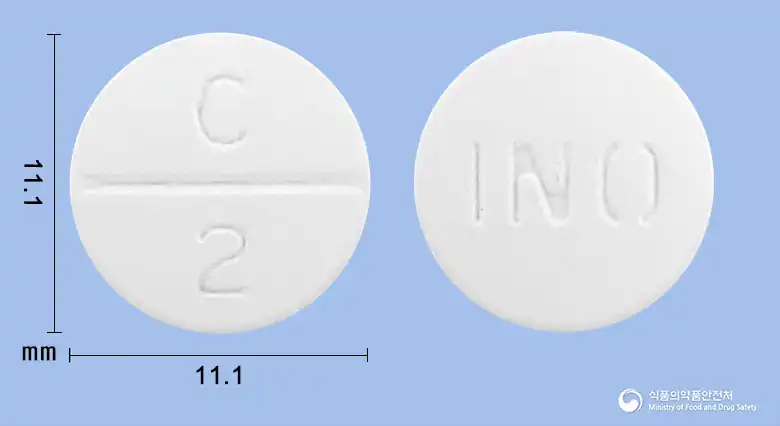
Ciprofloxacin Hydrochloride 291.5mg
Tablet · Prescription medication
HK inno.N Co., Ltd.
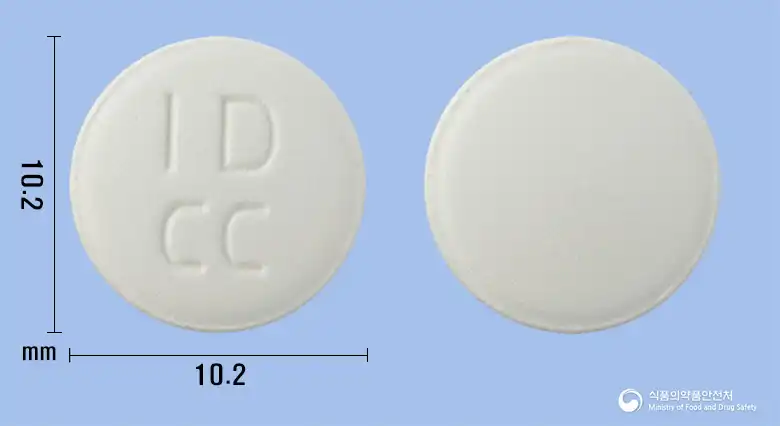
Ciprofloxacin Hydrochloride 291mg
Tablet · Prescription medication
Il Dong Pharmaceutical Co., Ltd.

Ciprofloxacin Hydrochloride 582mg
Tablet · Prescription medication
Il Dong Pharmaceutical Co., Ltd.
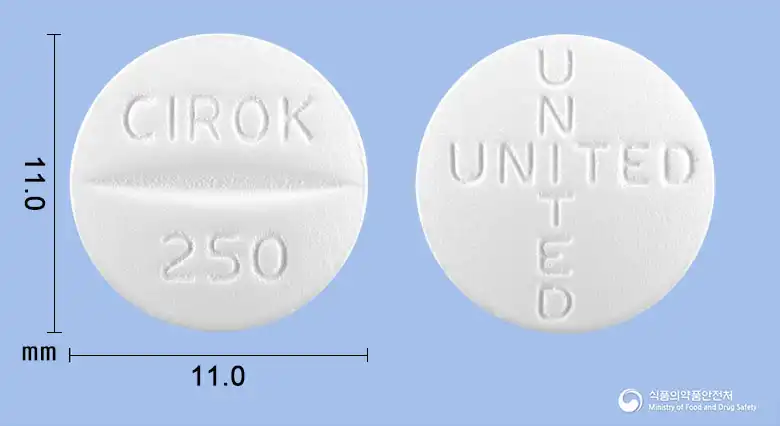
Ciprofloxacin Hydrochloride Hydrate 291mg
Tablet · Prescription medication
Korea United Pharm, Inc.
Ciprofloxacin Hydrochloride Hydrate 291mg
Tablet · Prescription medication
SK Chemicals Co., Ltd.

Ciprofloxacin Hydrochloride Hydrate 291mg
Tablet · Prescription medication
Donghwa Pharmaceutical Co., Ltd.
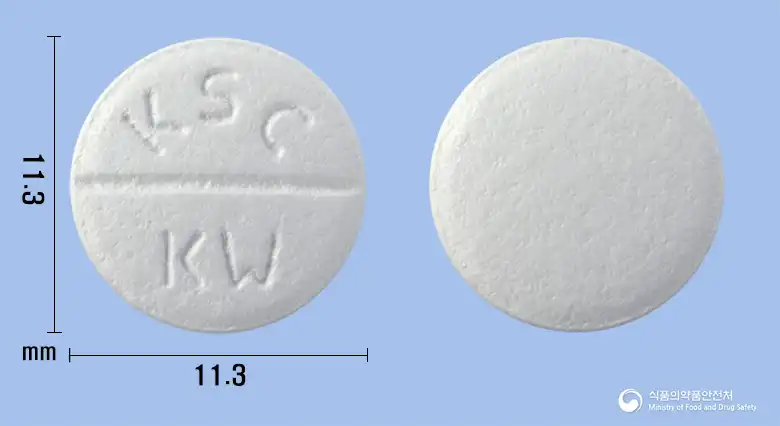
Ciprofloxacin Hydrochloride Hydrate 291mg
Tablet · Prescription medication
SS Pharm Co., Ltd.
Even with the same ingredient, the dose and directions can differ by strength and dosage form. Talk to a doctor or pharmacist before switching from a medication you are already taking.
No questions yet.
For anything that needs medical judgment, consult a doctor or pharmacist.
This drug information is based on data provided by the Korea Ministry of Food and Drug Safety.
Consult a doctor or pharmacist for accurate dosage, administration, and usage instructions.