한국어
 English
 日本語
 中文(简体)
 Viewing now
Bezarip Sustained-Release Tablets (Bezapibrate)
Bezafibrate 400mg
Tablet · Prescription medication
Jongkundang Co., Ltd.
MFDS item code 198900123 · Approved 1989.08.10 · Insurance code 643300910
Treatment of primary hyperlipidemia (e.g., hypercholesterolemia and hypertriglyceridemia)
This medication is used for the treatment of primary hyperlipidemia, which includes hypercholesterolemia (type IIa), combined hypercholesterolemia and hypertriglyceridemia (type IIb, III), and hypertriglyceridemia (type IV, V). This drug effectively controls blood lipid levels to prevent excessive increases in cholesterol and triglycerides, thereby helping to reduce the risk of cardiovascular diseases. Therefore, it is used to improve various types of primary hyperlipidemia.
(Oral: Tablets) Adults: Administer 200㎎ of bezafibrate orally 2-3 times daily after meals, and always in conjunction with dietary therapy. In patients with a sensitive stomach, start with 200㎎ daily; after 3-4 days, administer 400㎎ daily, and if necessary, increase the dose to 600㎎ daily after another 3-4 days. Adjust the dose appropriately according to age and symptoms. (Oral: Extended-release tablets) Adults: Administer 400㎎ of bezafibrate orally once daily after a meal, and always in conjunction with dietary therapy. Adjust the dose appropriately according to age and symptoms.
This drug should not be used in patients with severe liver dysfunction or gallbladder problems. It should also not be administered to patients with significantly impaired kidney function or those undergoing dialysis. It is safest for pregnant women or those who may become pregnant, as well as nursing mothers, to avoid using this medication. Patients with allergic reactions to this drug should refrain from taking it. Those with slightly impaired kidney function, prior liver issues, or those taking certain diabetes medications should use this drug with caution. Additionally, patients with low serum albumin levels should also take care. Regular liver function tests are necessary, as liver-related side effects may include elevated liver enzyme levels or gallstones. Gastrointestinal symptoms may include abdominal pain, decreased appetite, nausea, vomiting, abdominal bloating, diarrhea, stomatitis, constipation, and more. Skin reactions such as itching, hives, and rashes may occur, and rarely, hair loss may happen. Neurological symptoms such as headaches, dizziness, and weakness have also been reported. Muscle-related side effects may include myalgia, cramps, and elevated muscle enzyme levels, with patients particularly prone to severe muscle damage and worsening renal function, needing to exercise caution. Blood-related issues may include rare occurrences of anemia or leukopenia. Photosensitivity skin reactions such as photodermatitis may occur, so caution against sun exposure is advised. If kidney function declines, waste levels in the blood may rise, necessitating kidney function tests. Prior to administering this medication, kidney function tests for appropriate dosage adjustment are required, and it should only be used after a definitive diagnosis of hyperlipidemia. During administration, regular checks of blood lipid levels are necessary; if there is no effect, treatment should be discontinued. Care should be taken regarding drug interactions, particularly with specific cholesterol medications which may increase the risk of muscle damage, suggesting simultaneous use should be avoided. When using anticoagulants, diabetes medications, and oral contraceptives, dosage adjustments per a physician's advice are necessary. It is safer for pregnant or nursing women to avoid this medication, and if nursing, discontinuation is recommended. The safety for children has not been established, hence it should not be used in pediatric patients. Older adults may have compromised liver and kidney functions and should start with lower doses and undergo regular testing. Caution is required as older patients using certain diabetes medications may experience hypoglycemic symptoms. Long-term high-dose usage has been associated with cancer reports in some animal studies, so prolonged high-dose use should be avoided.
Not everyone experiences these, and they can vary from person to person.
This medication should be stored in a tightly closed container to prevent air and moisture from entering. It is also advisable to store it at room temperature, avoiding excessively hot or cold environments.
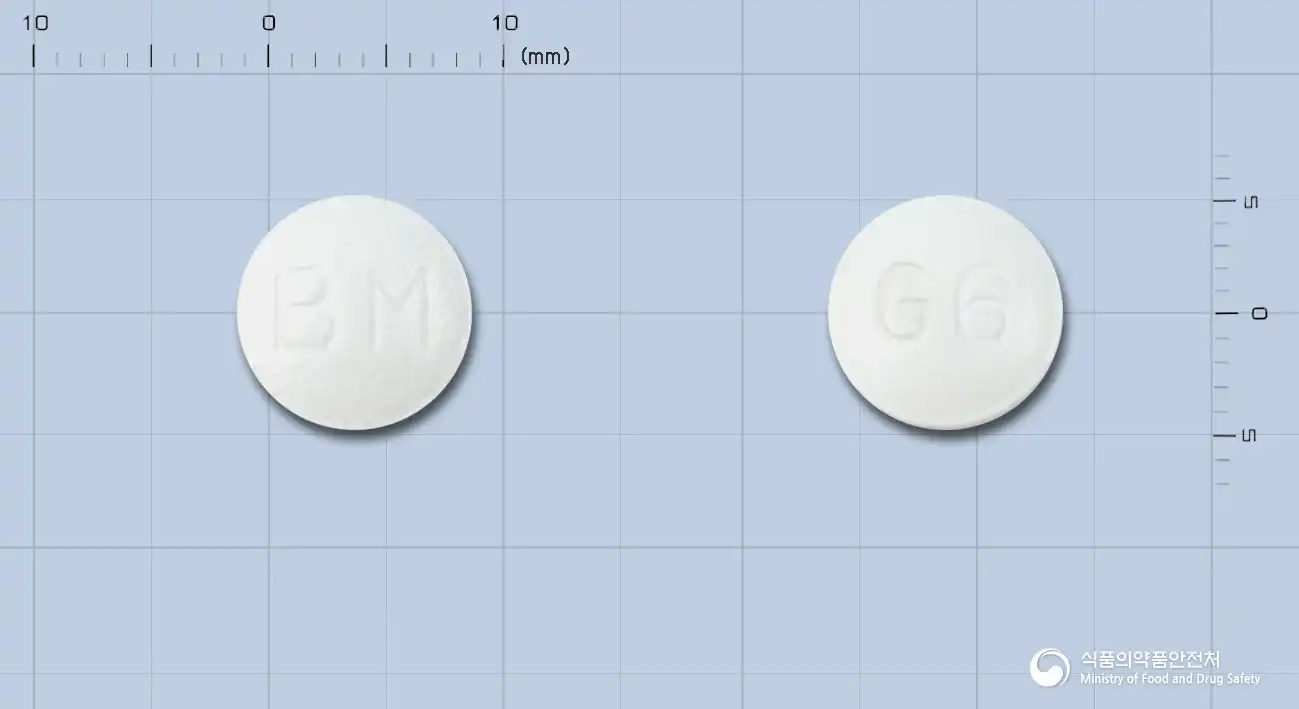
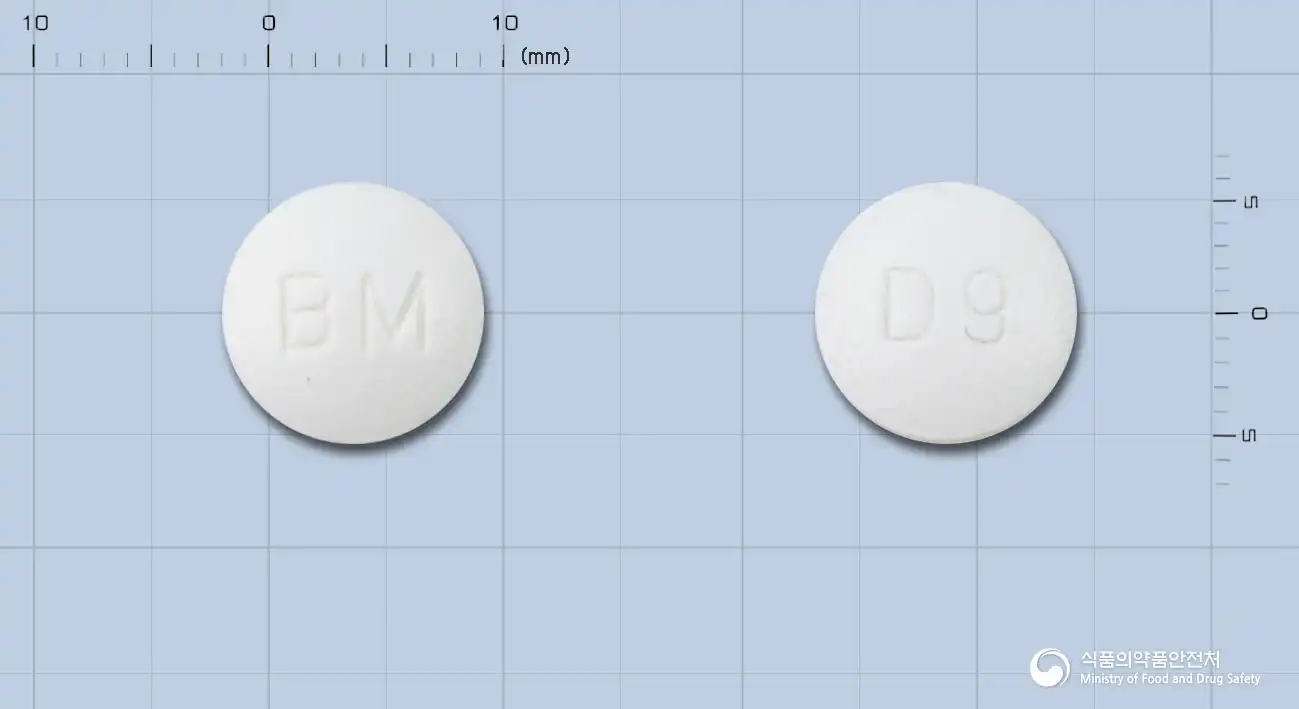
This medication is a white, round tablet coated with a film.
30 tablets/bottle, 100 tablets/bottle
Even with the same ingredient, strength, dosage form and how it is taken can differ.
Even with the same ingredient, the dose and directions can differ by strength and dosage form. Talk to a doctor or pharmacist before switching from a medication you are already taking.
No questions yet.
For anything that needs medical judgment, consult a doctor or pharmacist.
This drug information is based on data provided by the Korea Ministry of Food and Drug Safety.
Consult a doctor or pharmacist for accurate dosage, administration, and usage instructions.