
 한국어
한국어 English
 日本語
日本語 中文(简体)
Dosage form image
Viewing nowShinpoong Tranexamic Acid Injection 500 mg
Tranexamic Acid 500mg
Injections · Prescription medication
Shinpoong Pharmaceutical Co., Ltd.
MFDS item code 198900057 · Notified 1989.03.08 · Insurance code 648502361
Improvement of bleeding tendency due to systemic and localized fibrinolysis.
This medication is used for bleeding tendencies related to systemic fibrinolysis such as leukemia, aplastic anemia, purpura, cancer, and abnormal bleeding occurring during or after surgery, as well as for pulmonary bleeding, genital bleeding, renal bleeding, and abnormal bleeding after prostate surgery due to localized fibrinolysis.
Capsule form: tranexamic acid, typically administered orally in divided doses of 750 to 2000 mg per day for adults, 3 to 4 times. Injection form: tranexamic acid, typically administered as an intravenous or intramuscular injection in split doses of 250 to 500 mg per day for adults. For bleeding during or after surgery, 500 to 1000 mg may be administered intravenously or 500 to 2500 mg via intravenous drip as needed.
This medication should be carefully opened as it is in a glass ampoule. If glass fragments get mixed in, side effects may occur; therefore, special care should be taken when used in children and the elderly. This medication should not be used in certain patients, for example, those taking other medications that affect blood clotting or with a history of thromboembolism. Additionally, individuals allergic to this medication or its components should not use it. Moreover, this medication should not be administered via spinal injection. Patients with thrombosis or at risk of thrombosis, those confined to bed for long periods after surgery, and patients with reduced kidney function should exercise caution when using this medication, as it may stabilize blood clots or increase clot formation. Furthermore, careful use under the supervision of an expert is necessary for patients with bleeding disorders or specific severe bleeding conditions. When using this medication, shock or allergic reactions may rarely occur, so if symptoms develop, administration should be stopped immediately and appropriate treatment should be sought. Temporary visual disturbances, digestive disorders, drowsiness, and headaches may occur, and thromboembolism may rarely develop. There have been reports of seizures in patients who received this medication during cardiovascular surgery, which necessitates caution. Incorrect administration via spinal injection may lead to serious side effects. When used in conjunction with other blood coagulation-related medications, there may be an increased risk of clot formation, therefore, it should be administered carefully according to the advice of a healthcare professional. Particularly when used with hormonal contraceptives, there may be an increased risk of thromboembolism, thus non-hormonal contraceptive methods are recommended. In pregnant women, as this medication crosses the placenta, it should be administered with caution, and during breastfeeding, while a small amount of the medication may be transmitted through breast milk, it is expected to have little impact on the baby. Elderly patients may have reduced bodily functions, so it is important to adjust the dosage of this medication accordingly. In cases of overdose, symptoms such as nausea, vomiting, and dizziness may appear, so if these symptoms occur, immediate consultation with healthcare personnel is necessary, and adequate fluid intake should be ensured to help expel the medication. This medication should be administered slowly via intravenous injection; rapid injection may cause nausea, chest discomfort, palpitations, low blood pressure, and dizziness. Finally, this medication may undergo chemical changes when mixed with certain other medications, so it should always be discussed with a healthcare professional before combined use.
Not everyone experiences these, and they can vary from person to person.
This medication should be stored in a sealed container to prevent exposure to air or moisture, ideally at room temperature between 1 and 30 degrees Celsius. Proper storage will help maintain the medication's efficacy and prevent degradation.
It is a colorless, transparent liquid or a colorless, transparent ampoule injection.
For domestic use - 5 milliliters/ampoule [x 50], for export - 5 milliliters/ampoule [x 10]
Even with the same ingredient, strength, dosage form and how it is taken can differ.
Tranexamic Acid 500mg
Injections · Prescription medication
Shinpoong Pharmaceutical Co., Ltd.
Tranexamic Acid 50mg
Prescription medication
Jeil Pharmaceutical Co., Ltd.
Tranexamic Acid 100mg
Prescription medication
Jeil Pharmaceutical Co., Ltd.
Tranexamic Acid 100mg
Prescription medication
Korea Union Pharma Co., Ltd.
Tranexamic Acid 50mg
Prescription medication
Korea Union Pharmaceutical Co., Ltd.
Tranexamic Acid 250mg
Hard capsule · Prescription medication
Genupharm Co., Ltd.
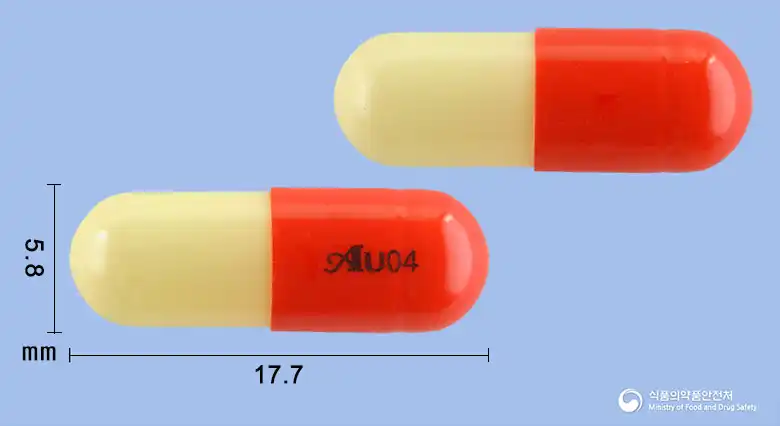
Tranexamic Acid 250mg
Hard capsule · Prescription medication
Austin Pharmaceutical Co., Ltd.
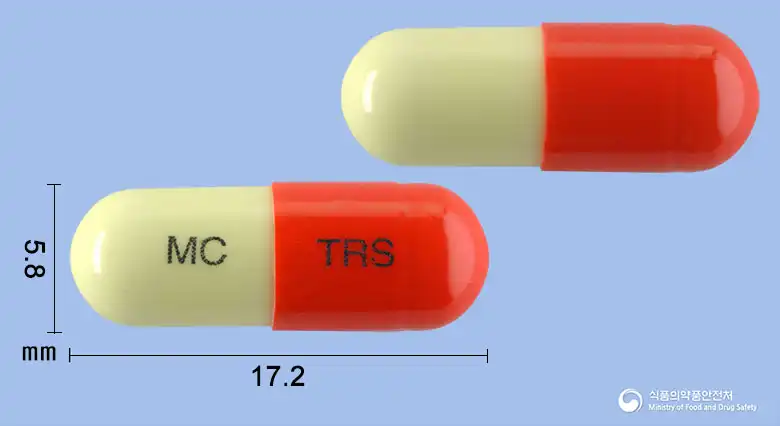
Tranexamic Acid 250mg
Hard capsule · Prescription medication
Macnulty Pharmaceutical Co., Ltd.
Even with the same ingredient, the dose and directions can differ by strength and dosage form. Talk to a doctor or pharmacist before switching from a medication you are already taking.
No questions yet.
For anything that needs medical judgment, consult a doctor or pharmacist.
This drug information is based on data provided by the Korea Ministry of Food and Drug Safety.
Consult a doctor or pharmacist for accurate dosage, administration, and usage instructions.