
 한국어
 English
 日本語
 中文(简体)
This product's status changed to Approval withdrawn on 2026.02.12. It may no longer be sold, so consult a doctor or pharmacist before taking it.
Summary
- Main use
- Adjunctive treatment of coronary artery disease (angina, etc.) and congestive heart failure
- Who takes it
- Adults
- Adult dose
- (Oral: 20 mg tablets) Adults: Administer 20 mg of isosorbide mononitrate orally 2-3 times daily. Adjust the dose as appropriate according to age and symptoms. (Oral: 40 mg tablets) Adults: Administer 20 mg of isosorbide mononitrate orally twice daily or 40 mg once daily. Adjust the dose as appropriate according to age and symptoms. (Oral: 50 mg sustained-release capsules) Adults: Administer 50 mg of isosorbide mononitrate orally once daily in the morning. The dose may be increased to 100 mg as directed by a physician. In patients with circulatory failure, if circulatory failure or headache due to nitrate administration occurs after the first dose, begin treatment by splitting a 20 mg tablet of this medicine in half and administering it in the morning and evening. Adjust the dose as appropriate according to age and symptoms.
Ingredients
- Manufacturer
- Jongkundang Co., Ltd.
Efficacy & effects
Adjunctive treatment of coronary artery disease (angina, etc.) and congestive heart failure
- Coronary artery disease
- angina
- myocardial infarction
- congestive heart failure
View approved original textHide original text
This medication is used to treat coronary artery diseases such as angina and myocardial infarction. It also helps improve symptoms when used in combination with cardiac glycosides or diuretics as an adjunctive therapy for congestive heart failure.
How to take
Adult dose
(Oral: 20 mg tablets) Adults: Administer 20 mg of isosorbide mononitrate orally 2-3 times daily. Adjust the dose as appropriate according to age and symptoms. (Oral: 40 mg tablets) Adults: Administer 20 mg of isosorbide mononitrate orally twice daily or 40 mg once daily. Adjust the dose as appropriate according to age and symptoms. (Oral: 50 mg sustained-release capsules) Adults: Administer 50 mg of isosorbide mononitrate orally once daily in the morning. The dose may be increased to 100 mg as directed by a physician. In patients with circulatory failure, if circulatory failure or headache due to nitrate administration occurs after the first dose, begin treatment by splitting a 20 mg tablet of this medicine in half and administering it in the morning and evening. Adjust the dose as appropriate according to age and symptoms.
Precautions
This medicine should not be used in patients with glaucoma. Moreover, patients who are allergic to nitrate compounds or have had such reactions in the past should not be administered this medication. It is also inappropriate for patients with severe hypotension, cardiac shock, or severe anemia. Caution is needed for patients with head trauma or intracranial hemorrhage due to the potential increase in intracranial pressure. This medication is not recommended for patients with acute myocardial infarction with a low left ventricular filling pressure, hypertrophic obstructive cardiomyopathy, or constrictive pericarditis. This medication contains lactose and should not be administered to patients with lactose intolerance or certain genetic disorders. Caution is needed when administering this drug to patients with hypotension, pulmonary hypertension, the elderly, patients with orthostatic dysregulation, and those with aortic stenosis or mitral stenosis. When taking this medication, symptoms such as dizziness, flushing, palpitations may occur, and blood pressure may decrease or edema may develop. If allergic reactions such as headache, insomnia, lethargy, itching, or rash occur, discontinue use immediately. Symptoms of dyspepsia, abdominal pain, diarrhea, and dry mouth may also be experienced, and liver dysfunction may occur, so liver status should be closely monitored. This medication is not suitable for relieving angina attacks; for such relief, other fast-acting medications should be used. If symptoms do not improve or worsen, consider switching to another treatment. Discontinuing nitrates suddenly may exacerbate symptoms; therefore, do not stop taking this medication arbitrarily without consulting a physician. If blood pressure drops too low, discontinue use and receive appropriate treatment, as orthostatic hypotension may occur. Caution is also needed when taking this medication concurrently with other vasodilators, antihypertensives, certain antidepressants, or alcohol, as this may lead to excessively low blood pressure. Women who are pregnant or may become pregnant should carefully consider the risks and benefits before using this medication, and breastfeeding mothers should either avoid use or cease breastfeeding. The safety in pediatric patients has not been established; hence, there is no experience of use.
Side effects
- Dizziness
- feeling of heat
- flushing
- palpitations
- hypotension
- edema
- headache
- feeling of heaviness in the head
- insomnia
- weakness
Show 18 moreCollapse
- malaise
- general fatigue
- numbness
- rash
- itching
- abdominal pain
- diarrhea
- discomfort in the upper abdomen
- feeling of abdominal bloating
- dry mouth
- nausea
- vomiting
- loss of appetite
- liver dysfunction
- jaundice
- increased CPK
- increased BUN
- increased creatinine
Not everyone experiences these, and they can vary from person to person.
Storage
This medication may be sensitive to air and moisture, so it should be stored in a tightly sealed container. Additionally, store it at room temperature, avoiding direct sunlight and extreme temperatures.
Appearance and packaging
Appearance
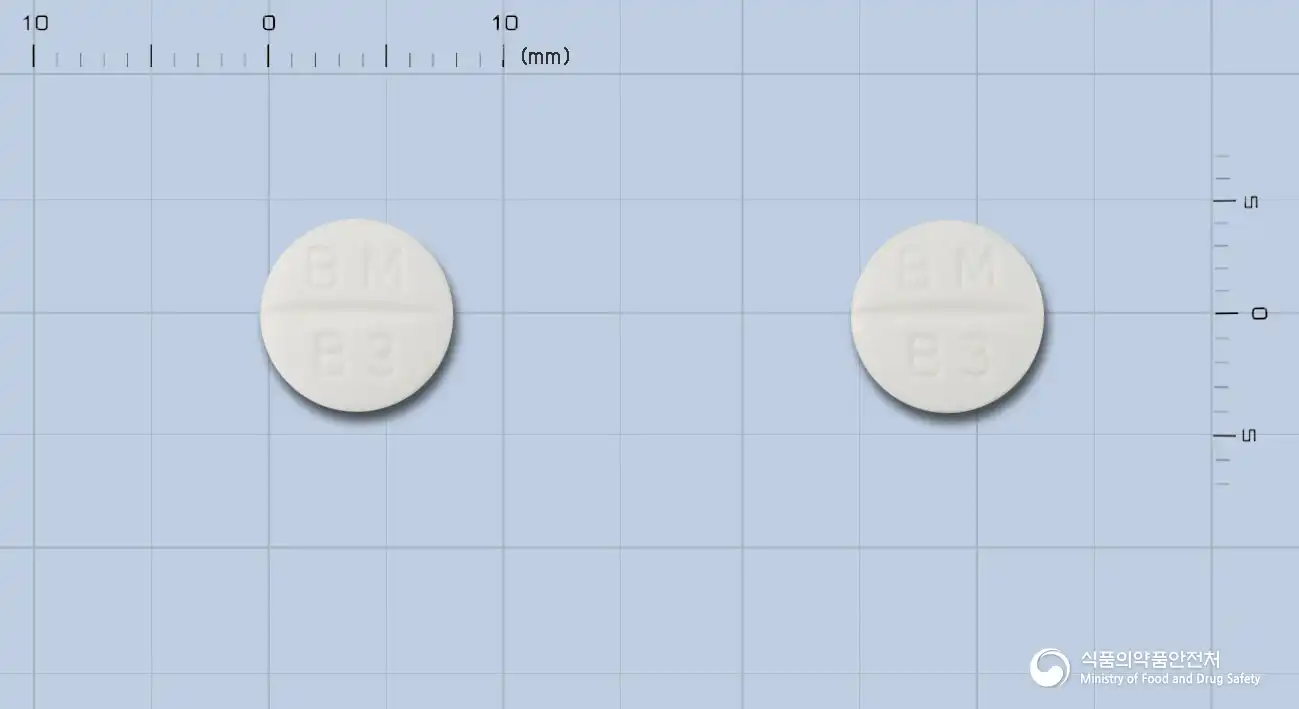
This medicine is a white, round tablet.
Package unit
30 tablets/bottle, 300 tablets/bottle
Questions about this medicine
No questions yet.
For anything that needs medical judgment, consult a doctor or pharmacist.