한국어
 English
 日本語
 中文(简体)
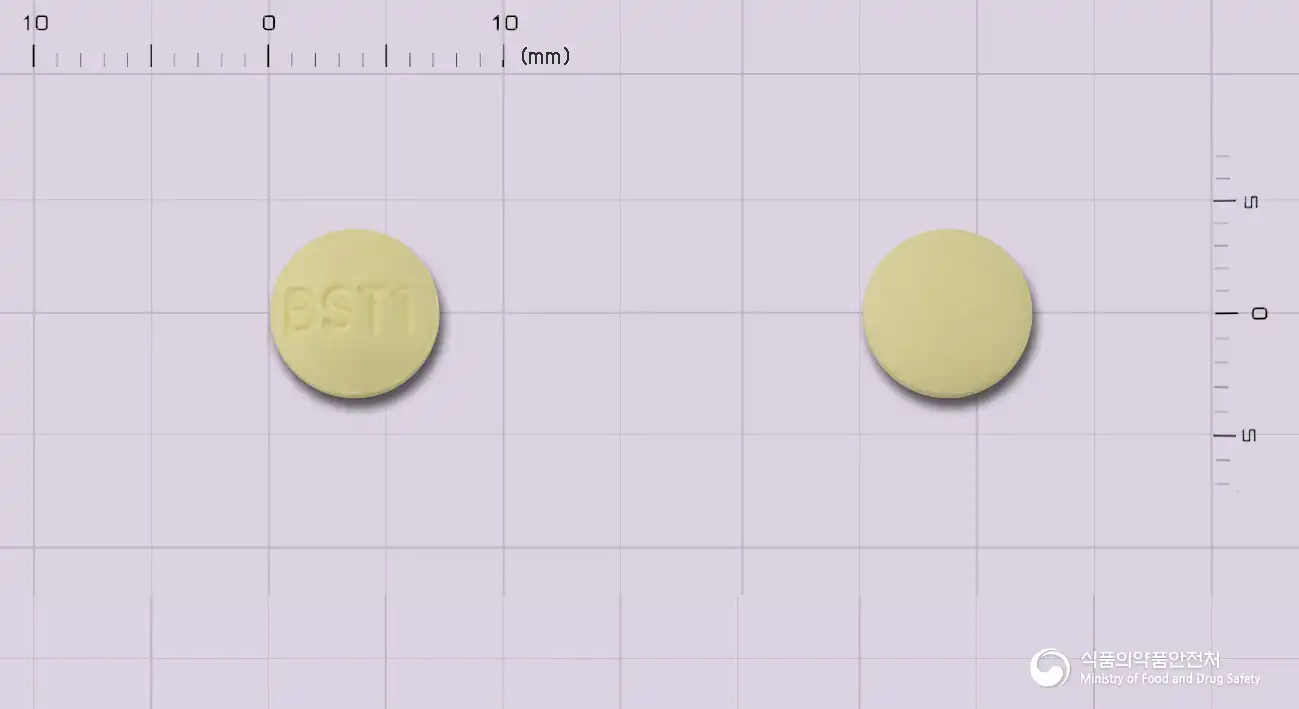
Dosage form image
Viewing nowBigsonjeong (Ethyloprazole)
Ethyl Loflazepate 2mg
Prescription medication
Hyundai Pharmaceutical Co., Ltd.
MFDS item code 198702205 · Approved 1987.03.27 · Insurance code 642000520
This product's status changed to Approval withdrawn on 2025.08.05. It may no longer be sold, so consult a doctor or pharmacist before taking it.
Relief of symptoms of psychosomatic disorders and neurosis (e.g., anxiety and tension)
This medication is used to improve anxiety, tension, depression, and sleep disorders caused by neurosis, as well as anxiety, tension, depression, and sleep disorders that manifest in psychosomatic disorders such as gastric and duodenal ulcers, chronic gastritis, irritable bowel syndrome, and autonomic nervous system imbalance.
Adults: Administer 1-3㎎ per day as ethyl loflazepate orally in 1-2 divided doses. Adjust the dose appropriately according to age and symptoms.
This medication should not be used in patients with acute angle-closure glaucoma, as it may increase intraocular pressure. Patients with severe myasthenia gravis should be cautious due to potential exacerbation of symptoms from muscle relaxant effects. It is advisable to avoid use in patients with severe liver dysfunction or sleep apnea syndrome. Patients with a history of alcohol or drug dependence, and those with allergies to this drug or benzodiazepines should also avoid it. It is preferable not to administer this medication to patients with severely impaired respiratory function. Additionally, as this medication contains lactose, patients with lactose intolerance or related genetic disorders should refrain from taking it. Patients with heart disease should use this medication cautiously as it may lower blood pressure and worsen symptoms. Patients with liver or kidney impairment need to be careful as drug excretion may be delayed. Patients with organic brain disorders may experience stronger drug effects and should be cautious. Patients with moderate respiratory failure should also be cautiously administered this medication as their condition may worsen. Elderly or frail patients are at increased risk of side effects; starting with a lower dose is recommended. Patients with depression, children, and those with spinal or cerebellar ataxia should also use this medication with caution. This medication should be cautiously administered to patients in a state of intoxication with alcohol, sedatives, analgesics, antipsychotics, antidepressants, lithium, etc. Patients allergic to yellow No. 5 dye contained in this medication should also exercise caution. Long-term use of this medication may lead to dependence; therefore, dosages should be adhered to, and symptoms carefully monitored. Abrupt discontinuation may result in withdrawal symptoms such as seizures, anxiety, and hallucinations, so it is safer to taper the dosage gradually. Patients with mental disorders may exhibit paradoxical reactions such as anxiety or hallucinations, necessitating careful monitoring of their condition. Drowsiness, dizziness, headache, and speech disturbances may occur, thus attention in daily life is necessary. Eye abnormalities may occur, so report any changes in vision. Gastrointestinal effects may manifest as abdominal pain, loss of appetite, vomiting, constipation, etc. Abnormal liver function may be observed, necessitating regular testing. Blood tests may show decreased white blood cell counts or increased eosinophils; notify healthcare personnel of any abnormal symptoms. If urinary system symptoms, skin rashes, or itching occur, discontinue use. Muscle weakness or fatigue may develop; monitor the condition. Changes in libido or other unpleasant symptoms may arise; consult healthcare providers if unusual symptoms occur. This medication may cause drowsiness and decreased concentration; therefore, avoid driving or operating hazardous machinery. It is not to be used as a first-line treatment for psychosis and should be used cautiously in patients with depression due to potential increased risk of suicide. The treatment duration should be as short as possible, with regular assessment of symptoms and gradual tapering for long-term use. Regular blood tests and liver function tests are recommended for safety. This medication may have enhanced sedative effects when used with other central nervous system depressants, so caution is advised, especially when combined with alcohol, antidepressants, sedatives, analgesics, etc. Notify healthcare providers if using other medications that may affect drug metabolism, as effects may be enhanced. Women in early pregnancy or those who may become pregnant should not take this medication, and its use should be avoided in late pregnancy as well. Breastfeeding women should avoid this medication, as it can be transmitted through breast milk and affect the infant; consider stopping breastfeeding or discontinuing the medication. Safety in children and adolescents has not been sufficiently confirmed; use should be approached with caution. Elderly patients may experience more severe side effects; starting at a lower dose and careful monitoring of their condition is advised. In cases of overdose, professional treatment is required, and the risk of seizures should be considered when using drug antagonists. New patients receiving this medication should follow medical advice, as sedative effects may be delayed or altered.
Not everyone experiences these, and they can vary from person to person.
This medication should be stored in a tightly sealed container to protect it from air and moisture, and it is advisable to maintain storage temperatures at ordinary room temperature. Thus, it should be kept away from direct sunlight and in places that are not too hot or too cold.
Orange round tablet
30 tablets/bottle, 100 tablets/bottle
Even with the same ingredient, strength, dosage form and how it is taken can differ.
Even with the same ingredient, the dose and directions can differ by strength and dosage form. Talk to a doctor or pharmacist before switching from a medication you are already taking.
No questions yet.
For anything that needs medical judgment, consult a doctor or pharmacist.
This drug information is based on data provided by the Korea Ministry of Food and Drug Safety.
Consult a doctor or pharmacist for accurate dosage, administration, and usage instructions.