
 한국어
한국어 English
 日本語
日本語 中文(简体)
Dosage form image
Viewing nowMucothan Granules 200 mg (Acetylcysteine)
Acetylcysteine 200mg
OTC medication
Hanwha Pharmaceutical Co., Ltd.
MFDS item code 198701129 · Notified 1987.08.31 · Insurance code 651600231,651600235
Relief of difficulty in expectoration in respiratory diseases such as acute and chronic bronchitis, bronchial asthma, etc.
It manifests mainly in respiratory diseases such as acute and chronic bronchitis, bronchial asthma, laryngitis, sinusitis, and cystic fibrosis, where expectoration is difficult. These diseases can cause uncomfortable breathing due to excessive mucus production in the airways or inflammation preventing effective expulsion of sputum. Therefore, this medication is used to aid in expectoration and facilitate breathing while alleviating associated symptoms.
Acute illness: 200 mg once, three times a day Chronic illness: 200 mg once, twice a day
Acute illness: 6 to 14 years, 200 mg once, twice a day 2 to 5 years, 100 mg once, three times a day Chronic illness: 6 to 14 years, 100 mg once, three times a day Cystic fibrosis: 6 years or older, 200 mg once, three times a day
This medicine contains the artificial sweetener aspartame. Aspartame is broken down in the body to phenylalanine, so patients with phenylketonuria, a hereditary condition requiring restriction of phenylalanine intake, should not take this medication. The daily allowable amount of aspartame included in this medication should be regulated to not exceed the WHO recommended amount of 40 mg per kg of body weight; for example, a 60 kg adult can take a maximum of 2.4 g per day. Additionally, this medication should not be taken by individuals with allergies to this medication or its components, patients with stomach or duodenal ulcers, and children under 2 years of age. Women who are pregnant or may become pregnant should only take this medication after consulting a doctor, as its safety has not been sufficiently established. Nursing mothers should also take care as it is uncertain whether this medication is excreted in breast milk. If gastrointestinal symptoms such as nausea, vomiting, oral inflammation, heartburn, diarrhea, or allergic symptoms such as hives, itching, rash, headache, tinnitus, or bronchospasm occur during use, the medication should be discontinued immediately and a doctor consulted. Rarely, rapid heartbeat or elevated blood pressure may occur, and very rarely, severe allergic reactions such as anaphylaxis may occur. This medication has been statistically reported to present side effects such as difficulty in breathing, so caution is advised. When taking this medication with antibiotics, it may reduce the effectiveness of the antibiotics, so it should be taken at least 2 hours apart, and mixing this medication solution with other drugs should be avoided. The effect of food on this medication's efficacy is still unknown. Finally, this medication should be stored out of reach of children and kept in its original container to prevent misuse or deterioration of quality.
Not everyone experiences these, and they can vary from person to person.
This medication should be taken at least 2 hours apart from oral antibiotics (amoxicillin, cefuroxime, doxycycline, erythromycin, tiamphenicol). Avoid adding other medications to the solution of this medication.
This medication must be stored in a tightly sealed container to prevent contact with air and should be kept at a temperature between 1 and 30 degrees Celsius for safety. Proper storage will help preserve the medication's effectiveness.
Pale pink granules
200 grams/bottle, 10 sachets/box [(1 gram/sachet) x 10 sachets], 20 sachets/box [(1 gram/sachet) x 20 sachets], 50 sachets/box [(1 gram/sachet) x 50 sachets], 100 sachets/box [(1 gram/sachet) x 100 sachets]
Even with the same ingredient, strength, dosage form and how it is taken can differ.
Acetylcysteine 200mg
OTC medication
Hanwha Pharmaceutical Co., Ltd.
Acetylcysteine 200mg
Solution · OTC medication
(Co., Ltd.) Celltrion Pharm
Acetylcysteine 20g
OTC medication
Boryeong Co., Ltd.
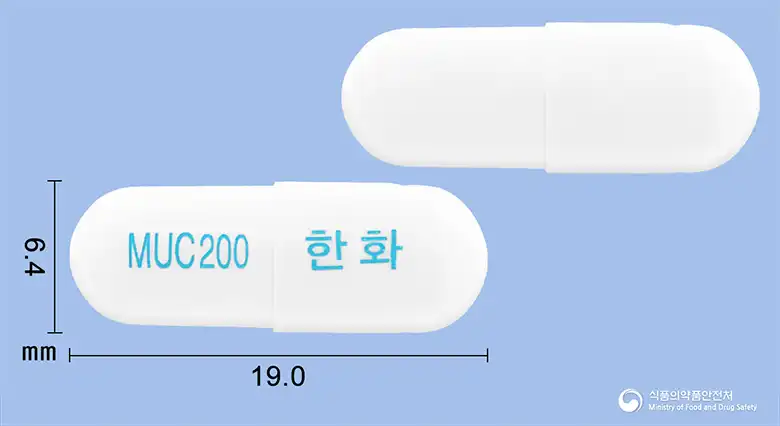
Acetylcysteine 200mg
Hard capsule · OTC medication
Hanwha Pharmaceutical Co., Ltd.
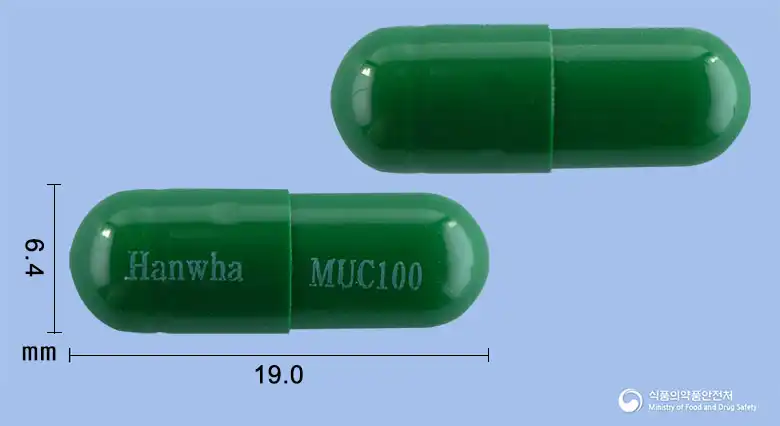
Acetylcysteine 100mg
Hard capsule · OTC medication
Hanwha Pharmaceutical Co., Ltd.
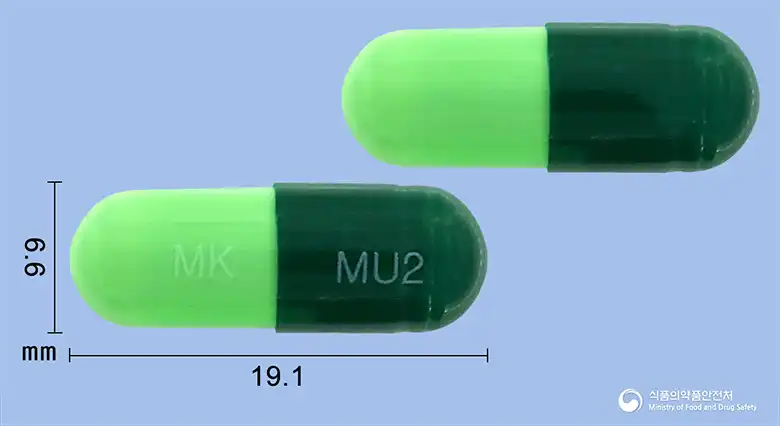
Acetylcysteine 200mg
Hard capsule · OTC medication
(Medica Korea Co., Ltd.)
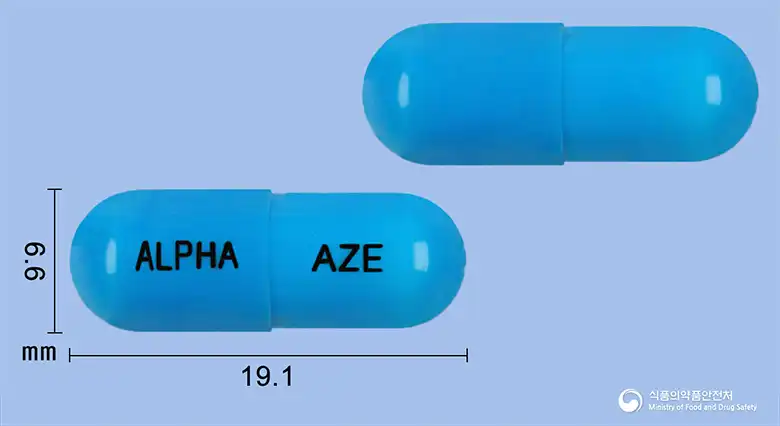
Acetylcysteine 200mg
Hard capsule · OTC medication
Alpha Pharmaceutical Co., Ltd.
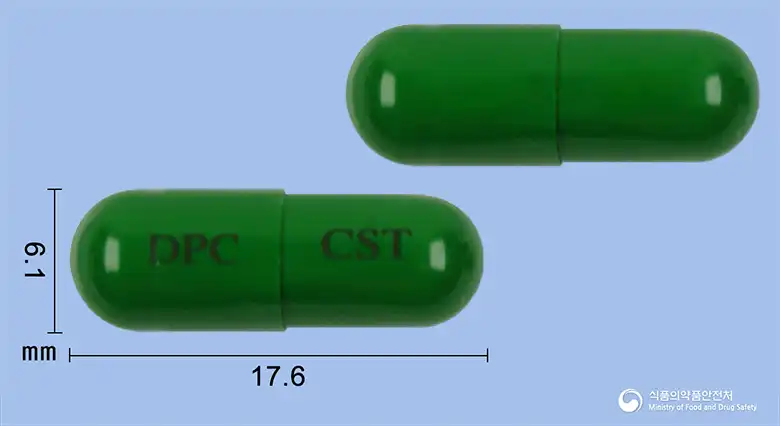
Acetylcysteine 200mg
Hard capsule · OTC medication
Donggwang Pharmaceutical Co., Ltd.
Even with the same ingredient, the dose and directions can differ by strength and dosage form. Talk to a doctor or pharmacist before switching from a medication you are already taking.
No questions yet.
For anything that needs medical judgment, consult a doctor or pharmacist.
This drug information is based on data provided by the Korea Ministry of Food and Drug Safety.
Consult a doctor or pharmacist for accurate dosage, administration, and usage instructions.