
 한국어
한국어 English
 日本語
日本語 中文(简体)
Dosage form image
Viewing nowBoryeong Mucomist Liquid (Acetylcysteine)
Acetylcysteine 20g
OTC medication
Boryeong Co., Ltd.
MFDS item code 198700683 · Notified 1987.03.18 · Insurance code 641901241
Improvement of difficulty in sputum excretion (bronchial asthma, chronic bronchitis, etc.) and treatment effects around bronchial examination.
This medication is used when sputum excretion is difficult in conditions such as bronchial asthma, chronic bronchitis, bronchiectasis, pulmonary tuberculosis, emphysema, upper respiratory tract inflammation, pulmonary abscess, pneumonia, and cystic fibrosis. It also aids in procedures before and after bronchography, bronchoscopy, lung cancer cytology tests, and tracheostomy. By promoting the secretion of mucus in the airways, this medication makes breathing more comfortable and facilitates treatment and tests, ultimately improving the patient's respiratory condition.
1. Nebulization therapy using face masks, mouthpieces, or tracheostomy: Nebulize 1 - 10 mL of this drug every 2 - 6 hours. The recommended amount is 3 - 5 mL to be nebulized 3 - 4 times a day. 2. Nebulization therapy using tent and inhalers (Croupette): This is a method needed for special cases and should be used according to the patient's individual needs and convenience of dosing method. This method may require a large volume of solution, sometimes up to 300 mL for a single treatment. The recommended amount should maintain a very dense fog-like state in the tent or inhaler during the treatment period. Intermittent or continuous long-term administration is preferable. 3. When directly administered 1) This drug 1 - 2 mL is administered every hour. 2) For regular treatment of patients with tracheostomy, administer this drug 1 - 2 mL through the tracheostoma every 1 - 4 hours. 3) When small plastic catheters are directly inserted into specific areas of the lung architecture under local anesthesia and direct incision, this drug 2 - 5 mL should be administered every 1 - 4 hours using a syringe attached to the catheter. 4) When using a percutaneous catheter in the bronchus, administer this drug 1 - 2 mL every 1 - 4 hours using a syringe connected to the catheter. 4. For diagnostic bronchography Before bronchography, administer this drug 1 - 2 mL via nebulization or intra-bronchial injection method, 2 - 3 times.
This medication should not be taken by individuals who are allergic to this drug or its components. Patients with ulcers in the stomach or duodenum and infants under 2 years old should also avoid using this medication. Women who are pregnant or may become pregnant must consult a doctor before taking this medication and should only use it when absolutely necessary. Breastfeeding women should also exercise caution due to uncertainty about whether this medication is excreted in breast milk. If digestive symptoms such as nausea, vomiting, mouth inflammation, heartburn, or diarrhea occur during use, or if allergic symptoms such as hives, itching, rash, headache, tinnitus, or bronchospasm develop, immediate discontinuation and consultation with a healthcare professional is required. When taking this medication, antibiotics should be administered at least 2 hours apart, as simultaneous use may reduce the effect of the antibiotics. Avoid mixing other drugs with this medication solution, and store the medication out of reach of children and in its original container to maintain quality. For use as an inhalant, patients with bronchial asthma or reduced respiratory function must consult a healthcare professional beforehand, and if symptoms such as difficulty breathing or allergic reactions occur during use, immediate discontinuation is necessary. Caution is required for elderly patients and children as safety has not been fully established. After inhalation, if a mask is tightly affixed to the face, it can be easily removed with water wash. Inhalation devices should be cleaned immediately after use, and avoid combined use with other medications. This medication should not be used as an injection or eye drop, and for nebulization, it is safe to dilute to prevent the drug concentration from becoming excessively thick.
Not everyone experiences these, and they can vary from person to person.
This medication should be inhaled separately or injected or taken orally when combined with antibiotics.
This medication should be stored in a tightly sealed container to avoid exposure to air or light, and it is best stored at room temperature. This will help maintain the effectiveness of the medication.
A colorless, transparent liquid with a slight peculiar smell.
4mL/bottle x 10
Even with the same ingredient, strength, dosage form and how it is taken can differ.
Acetylcysteine 20g
OTC medication
Boryeong Co., Ltd.
Acetylcysteine 200mg
Solution · OTC medication
(Co., Ltd.) Celltrion Pharm
Acetylcysteine 200mg
OTC medication
Hanwha Pharmaceutical Co., Ltd.
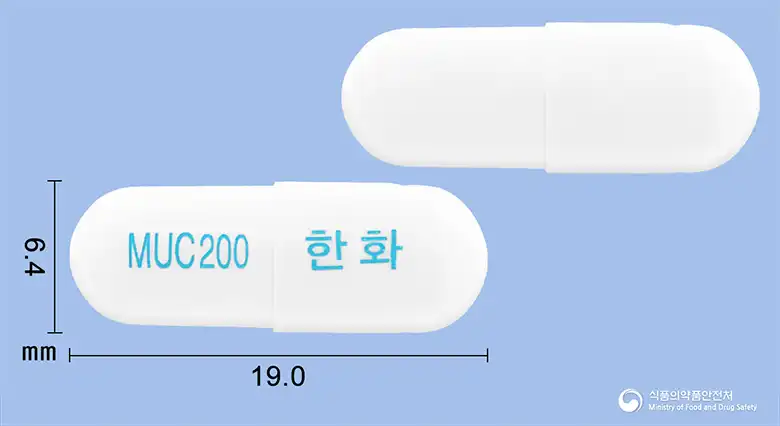
Acetylcysteine 200mg
Hard capsule · OTC medication
Hanwha Pharmaceutical Co., Ltd.
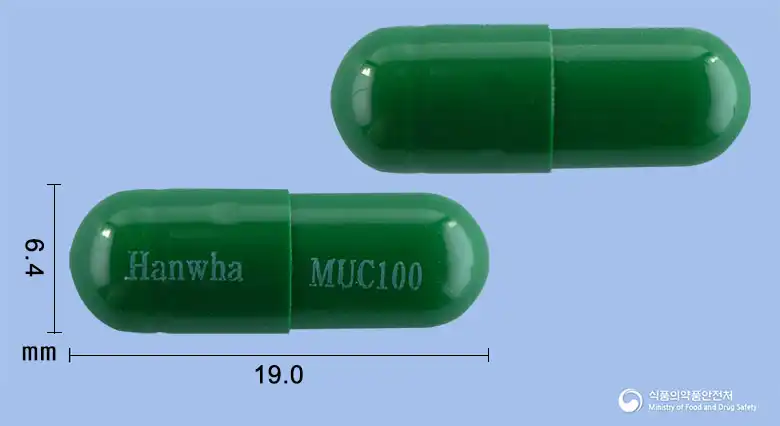
Acetylcysteine 100mg
Hard capsule · OTC medication
Hanwha Pharmaceutical Co., Ltd.
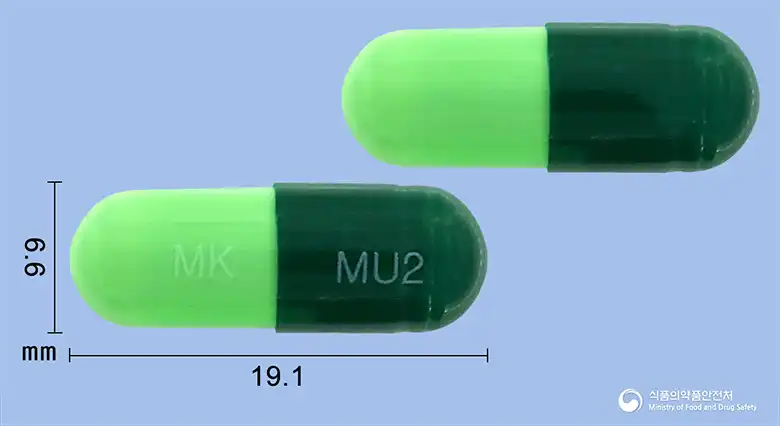
Acetylcysteine 200mg
Hard capsule · OTC medication
(Medica Korea Co., Ltd.)
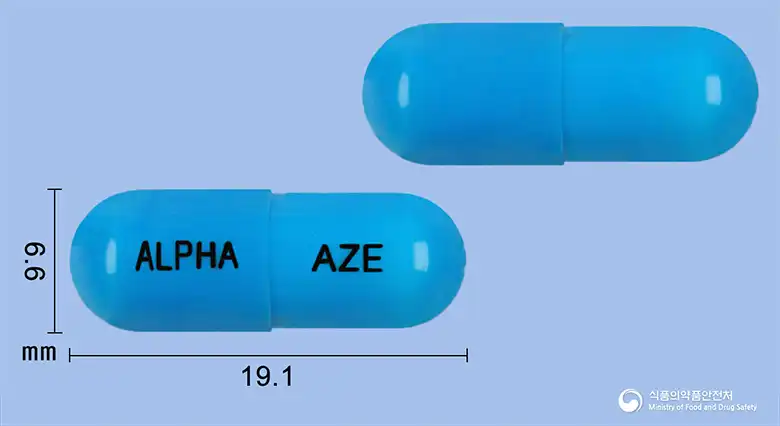
Acetylcysteine 200mg
Hard capsule · OTC medication
Alpha Pharmaceutical Co., Ltd.
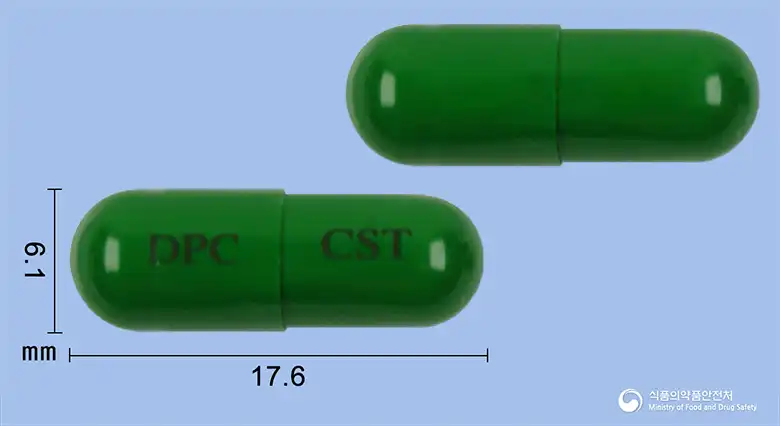
Acetylcysteine 200mg
Hard capsule · OTC medication
Donggwang Pharmaceutical Co., Ltd.
Even with the same ingredient, the dose and directions can differ by strength and dosage form. Talk to a doctor or pharmacist before switching from a medication you are already taking.
No questions yet.
For anything that needs medical judgment, consult a doctor or pharmacist.
This drug information is based on data provided by the Korea Ministry of Food and Drug Safety.
Consult a doctor or pharmacist for accurate dosage, administration, and usage instructions.