
 한국어
 English
 日本語
 中文(简体)
 Viewing now
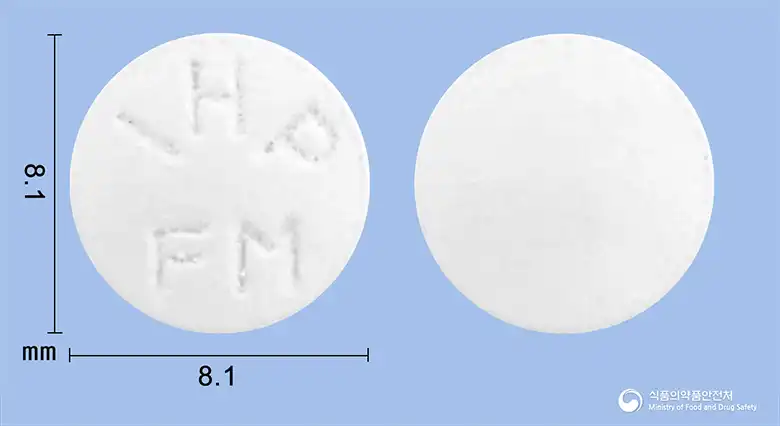
Pharmagen Tablets (Famotidine)
Famotidine 20mg
Tablet · Prescription medication
(Stock Company) Ilhwa
MFDS item code 198700535 · Notified 1987.01.20 · Insurance code 640901210
Treatment of acid-related disorders (e.g., ulcers); preanesthetic medication; improvement of gastric mucosal lesions and bleeding
This medication is primarily used to treat ulcers occurring in the stomach and duodenum, as well as anastomotic ulcers. It is also effective in improving inflammation and damage of the gastric mucosa in cases of upper gastrointestinal bleeding or acute exacerbation of acute and chronic gastritis. When taken orally, it is effective for gastritis, gastroesophageal reflux disease, and Zollinger-Ellison syndrome. When administered intravenously, it is used for the treatment of acute peptic ulcer bleeding, acute stress ulcers, hemorrhagic gastritis, and for prophylaxis before anesthesia. In short, this drug helps alleviate symptoms of various gastrointestinal disorders and improves mucosal condition, thereby enhancing the digestive health of patients.
(Oral) 1. Gastric and duodenal ulcers, anastomotic ulcers, upper gastrointestinal bleeding (due to peptic ulcers, acute stress ulcers, or bleeding ulcers), reflux esophagitis, Zollinger-Ellison syndrome: Adults: Administer famotidine orally at a dose of 20mg twice daily (after breakfast and dinner, or at bedtime), or 40mg once daily (at bedtime). For upper gastrointestinal bleeding, treatment is generally initiated with an injection, and changed to oral administration once oral administration becomes possible. 2. Improvement of gastric mucosal lesions (erosion, bleeding, redness, and edema) in the following conditions: acute gastritis and acute exacerbation of chronic gastritis Adults: Administer famotidine orally at a dose of 10mg twice daily (after breakfast and dinner, or at bedtime), or 20mg once daily (at bedtime). The dose may be adjusted according to age and symptoms. (Injection) Adults: Dissolve 20mg of famotidine in 20ml of normal saline injection or glucose injection and administer slowly by intravenous injection twice daily (every 12 hours), or mix with an infusion solution and administer by intravenous drip infusion. For upper gastrointestinal bleeding and Zollinger-Ellison syndrome, efficacy is generally seen within 1 week. Once oral administration becomes possible, change to oral administration. When used for preanesthetic medication, dissolve 20mg in 1-1.5ml of water for injection and administer by intramuscular injection 1 hour before induction of anesthesia, or dissolve it in 20ml of normal saline injection or glucose injection and administer slowly by intravenous injection 1 hour before induction of anesthesia. After dissolution, use within 48 hours when stored at room temperature or under refrigeration. The dose may be adjusted according to age and symptoms.
This medication should not be used in patients who have an allergy to specific components or have had hypersensitivity to H2 receptor antagonists. This medication contains lactose, so patients with lactose intolerance or certain genetic metabolic disorders should not take it. Patients with a history of hypersensitivity, or with kidney, liver, or heart problems should use this medication with caution, and elderly patients require vigilance as well. While rare, serious side effects may occur with this medication, so careful monitoring of one's condition is necessary. Serious allergic reactions, blood abnormalities, skin disorders, liver dysfunction, muscle damage, cardiac rhythm disturbances, kidney problems, and pulmonary diseases may occur, so if any abnormal symptoms arise, the medication should be discontinued immediately and a physician consulted. This medication dissolves in the mouth but is absorbed in the stomach, so it should be swallowed with water or saliva. Regular blood tests, liver function tests, and kidney function tests should be conducted, and the treatment process should be closely monitored. When taken with other medications, the effectiveness may decrease or the risk of side effects may increase, so it is necessary to consult a doctor or pharmacist. Especially, elderly patients may have reduced kidney function and may need dose adjustment. Pregnant women or women who may become pregnant should use this medication with caution, and breastfeeding should be discontinued if nursing. Safety has not been sufficiently established for children, so use is not recommended. Orally disintegrating tablets should be placed on the tongue, allowed to dissolve, and then swallowed, avoiding lying down while taking or taking without water. Symptoms of gastric cancer may be masked by taking this medication, so it should only be used after confirming the malignancy.
Not everyone experiences these, and they can vary from person to person.
This medication should be stored in a sealed container to protect it from air and moisture. It is important to maintain a storage temperature between 1 and 30 degrees Celsius room temperature. Proper storage helps to maintain the effectiveness and safety of the medication.
White round film-coated tablets
30 tablets/bottle, 300 tablets/bottle
Even with the same ingredient, strength, dosage form and how it is taken can differ.
Viewing nowFamotidine 20mg
Tablet · Prescription medication
(Stock Company) Ilhwa
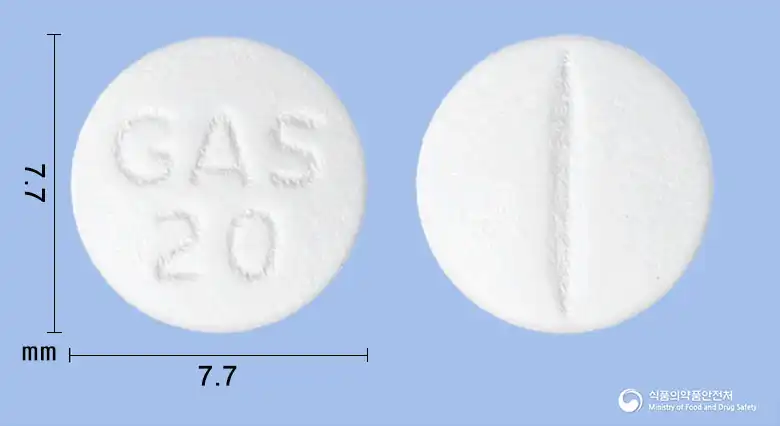
Famotidine 20mg
Prescription medication
Dong-A ST Co., Ltd.
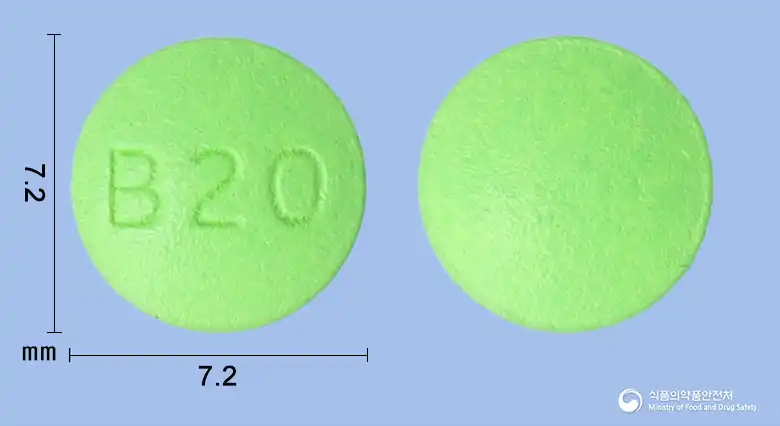
Famotidine 20mg
Tablet · Prescription medication
JW Pharmaceutical Corporation

Famotidine 20mg
Prescription medication
Youngpoong Pharmaceutical Co., Ltd.
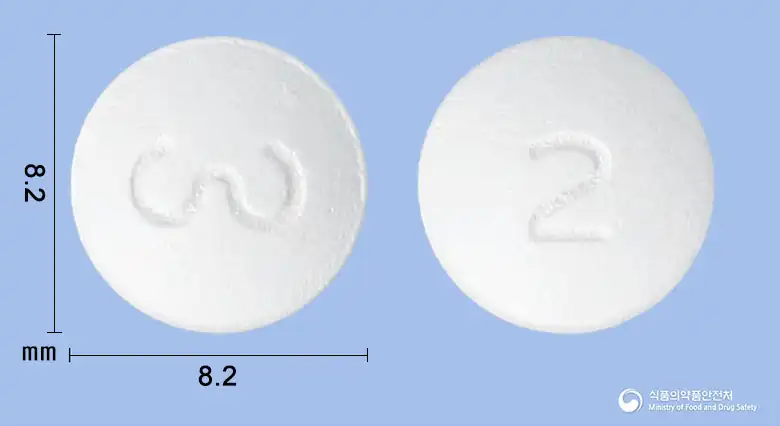
Famotidine 20mg
Tablet · Prescription medication
Withus Pharmaceutical Co., Ltd.
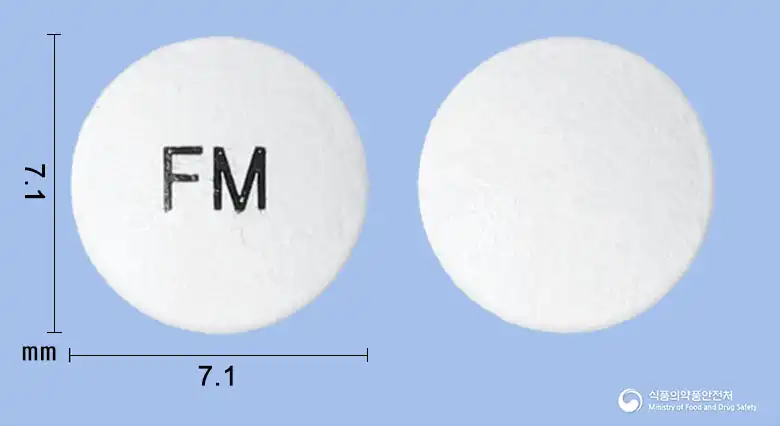
Famotidine 20mg
Prescription medication
(Stock Company) Seoul Pharmaceutical

Famotidine 20mg
Tablet · Prescription medication
(Stock Company) Genupharm
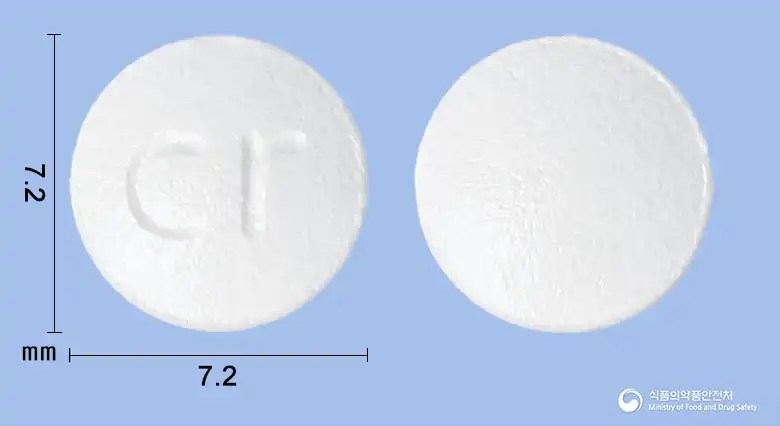
Famotidine 20mg
Tablet · Prescription medication
GL Pharma Co., Ltd.
Even with the same ingredient, the dose and directions can differ by strength and dosage form. Talk to a doctor or pharmacist before switching from a medication you are already taking.
No questions yet.
For anything that needs medical judgment, consult a doctor or pharmacist.
This drug information is based on data provided by the Korea Ministry of Food and Drug Safety.
Consult a doctor or pharmacist for accurate dosage, administration, and usage instructions.