
 한국어
 English
 日本語
 中文(简体)
 Viewing now
Myungmoon Nitroglycerin 0.6 milligrams Sublingual Tablet
Dilute Nitroglycerin 30mg
Sublingual Tablet · Prescription medication
Myungmoon Pharmaceutical Co., Ltd.
MFDS item code 198601406 · Notified 1986.04.04 · Insurance code 649800850
Treatment of myocardial ischemia (angina, myocardial ischemia), perioperative blood pressure control, and congestive heart failure
This medication is used for the treatment of angina and helps regulate blood pressure before and after heart surgery, managing abnormal blood pressure conditions that may occur during surgery. It also assists in treating congestive heart failure that arises from acute myocardial infarction. It is effective for unstable angina or angina that has not responded to previous treatments. Through these effects, it is utilized to improve heart and vascular health.
(Oral: tablets) 1. In the event of an acute angina attack, dissolve 0.3㎎ or 0.6㎎ of nitroglycerin under the tongue or in the mouth per dose. 2. The dose may be repeated every 5 minutes until symptoms are relieved. If pain continues after 3 doses (15 minutes), inform a physician. 3. For prevention, the dose may be taken 5-10 minutes before activities that may trigger an acute angina attack. The dose may be adjusted as appropriate according to age and symptoms. (Injection) ○ Myungmoon: Nitro Injection The appropriate dose of this medicine varies from person to person; adjust according to the patient's condition while monitoring hemodynamic parameters. The usual recommended dose is 10-200㎍/minute of nitroglycerin, and may be increased to 400㎍/minute as needed. 1. Perioperative blood pressure control: For management of intraoperative hypertension or induced hypotension, administer an initial dose of 25㎍/minute, then repeat 25㎍/minute at 5-minute intervals until blood pressure stabilizes. For myocardial ischemia, administer an initial dose of 15-20㎍/minute and repeat 10-15㎍/minute until an effect is observed. 2. Congestive heart failure: Administer an initial dose of 20-25㎍/minute, then repeat 10㎍/minute or 20-25㎍/minute at 15-30-minute intervals according to the patient's condition. 3. Angina: Administer an initial dose of 10㎍/minute, then repeat 10㎍/minute at 30-minute intervals according to the patient's condition. ※ Method of administration This medicine is diluted with normal saline injection or glucose injection, etc., or administered undiluted (only applicable to Nitro Injection 10㎎/10㎖) by slow intravenous injection using a syringe. When diluting, calculate the required amount of this medicine based on the actual volume to be infused. For example, to obtain a diluted solution of this medicine at a concentration of 100㎍/㎖, mix 10㎖ or 50㎖ (50㎎ of nitroglycerin) of this injection with 490㎖ or 450㎖ of diluent, respectively, to make a total volume of 500㎖. The dose may be adjusted as appropriate according to age and symptoms. The exact dilution method, dose, and corresponding infusion rate are shown in the following table (Table 1). ○ Abbott: Abbott Nitroglycerin Injection, Yuyu: Nitrobid Injection 1. Do not inject the undiluted solution directly intravenously: This medicine is a potent concentrate and must be diluted with 5% glucose injection or 0.9% normal saline injection before use. Do not mix this medicine with other drugs for administration. 2. Dilution: Carefully determine the required volume of diluent and the duration of injection to suit the patient (Table 2: Yuyu Nitrobid Injection; Table 3: Abbott Nitroglycerin Injection). 3. Dosage and administration: The dose is affected by the type of infusion set used. In clinical studies using PVC infusion sets, the usual initial dose for adults is 25㎍/minute or more. Reduce the dose when using a non-adsorptive infusion set. The appropriate dose of this medicine varies from person to person; adjust according to the patient's condition while monitoring hemodynamic parameters (blood pressure, heart rate, pulmonary capillary wedge pressure, etc.). Begin infusion of this medicine at 5㎍/minute using an infusion pump that delivers the medicine accurately and continuously. Use particular caution when increasing the dose, as this may cause an unstable response. Increase the initial dose by 5㎍/minute every 3-5 minutes until a response is observed. If there is no response at 20㎍/minute, an additional 10㎍/minute may be given, followed by a further 20㎍/minute. Once a partial blood pressure response is observed, reduce dose increments and extend the intervals between additional infusions. Patients with normal or low left ventricular pressure or pulmonary capillary pressure (patients with uncomplicated angina) may be sensitive to the effects of this medicine and may respond sufficiently to a low dose of 5㎍/minute. Carefully administer to these patients according to their response. The dose may be adjusted as appropriate according to age and symptoms. ○ Dong-A: Millisrol Injection This medicine is administered by intravenous drip as a 0.005-0.05% solution (50-500㎍ per 1㎖) of nitroglycerin, either as the injection solution or diluted with normal saline injection, 5% glucose injection, lactated Ringer's solution, etc. 1. Perioperative blood pressure control: To maintain hypotension during surgery, start at 1-5㎍/minute per ㎏ of body weight; for emergency treatment of abnormal hypertension during surgery, start at 0.5-5㎍/minute per ㎏ of body weight. Lower blood pressure to the target level, then adjust the infusion rate while monitoring blood pressure. 2. Congestive heart failure: Start at 0.05-0.1㎍/minute per ㎏ of body weight. Increase by 0.1-0.2㎍/minute per ㎏ of body weight every 5-15 minutes while monitoring circulatory parameters, such as blood pressure and left ventricular filling pressure, until the desired hemodynamic status is achieved, then maintain the optimal infusion rate. 3. Angina: Start at a dose of 0.1-0.2㎍/minute per ㎏ of body weight. Increase by 0.1-0.2㎍/minute per ㎏ of body weight approximately every 5 minutes while monitoring the course of the attack and blood pressure, and maintain at 1-2㎍/minute per ㎏ of body weight. If no effect is observed, administer an intravenous injection of 20-40㎍/minute per ㎏ of body weight every 1 hour concomitantly. However, administer the intravenous injection slowly over 1-3 minutes. The dose may be adjusted as appropriate according to age and symptoms. (Transdermal patch) 1. Adults: Use 1 patch (5-10㎎/24 hours of nitroglycerin) per dose. 2. Apply directly to hairless skin on the chest, upper abdomen, back, upper arm, thigh, etc. Shave areas with hair before application. 3. Do not apply to peripheral areas of the body or places subject to excessive movement, such as the limbs. 4. Change the application site each time to reduce skin irritation. 5. If the patch is loose or has come off, replace it with a new one. 6. Determine the optimal dose according to clinical effect, adverse effects, blood pressure, and heart rate. 7. It is preferable to start with a small patch releasing 5㎎/24 hours and, if a higher dose is required, use a large patch releasing 10㎎/24 hours.
This medication should not be used in patients who are hypersensitive to nitrate compounds or have a history of such reactions. Patients with head trauma or cerebral hemorrhage should avoid administration due to the risk of increased intracranial pressure. It is also advised to avoid use in patients with severe anemia, those experiencing acute myocardial infarction, or individuals with glaucoma. Administration should not occur in patients with acute circulatory disorders or in shock. Co-administration with specific PDE-5 inhibitors or sGC stimulants may lead to severe hypotension; therefore, such combinations should be avoided. Caution is needed when using this medication in patients with hypotension, as blood pressure must be monitored carefully to prevent it from dropping too low. Due to its vasodilating action, side effects such as headache, dizziness, hypotension, and palpitations may occur. Headaches are common when first using this medication but may diminish over time. This medication is taken sublingually and acts quickly; if dizziness occurs after taking it, it is safe to sit down. In case of overdose, severe headaches, vomiting, hypotension, and abnormal heart rates may occur, and severe symptoms should prompt immediate medical attention. The safety of this medication in pregnant or breastfeeding women has not been sufficiently established, so it should be used cautiously and only when necessary, while it is advisable to avoid its use during breastfeeding. Caution is needed when administering to children or the elderly, as liver function decline may increase drug concentration. Co-administration with other antihypertensive medications or alcohol may enhance the hypotensive effect, so caution is necessary. Blood pressure should be checked regularly during treatment, and any deterioration of symptoms or occurrence of side effects should prompt immediate consultation with a healthcare professional. This medication should be kept out of reach of children, and the prescribed dosing regimen and dosage must be followed.
Anemia, hypotension, warmth sensation, flushing, palpitations, orthostatic hypotension, dizziness, headache, weakness, syncope, nausea, vomiting, sweating, urinary incontinence, fecal incontinence, tachycardia, arrhythmia, rapid decrease in blood pressure, decreased cardiac output, increased heart rate, prolonged hypotension after discontinuation, rebound phenomenon, methemoglobinemia, decreased PaO2, heaviness, anxiety, abdominal pain, metabolic acidosis, cerebral edema, chest discomfort, lethargy, dry mouth, yawning, oliguria, muscle cramps, skin erythema, weakness, urticaria, exfoliative dermatitis, pruritus at the application site, contact dermatitis, erythema, rash, skin irritation, thirst
Not everyone experiences these, and they can vary from person to person.
This medication is sensitive to light and should be stored in a dark container that does not allow light to enter. It is also advised to keep it at a cool temperature below 20 degrees.
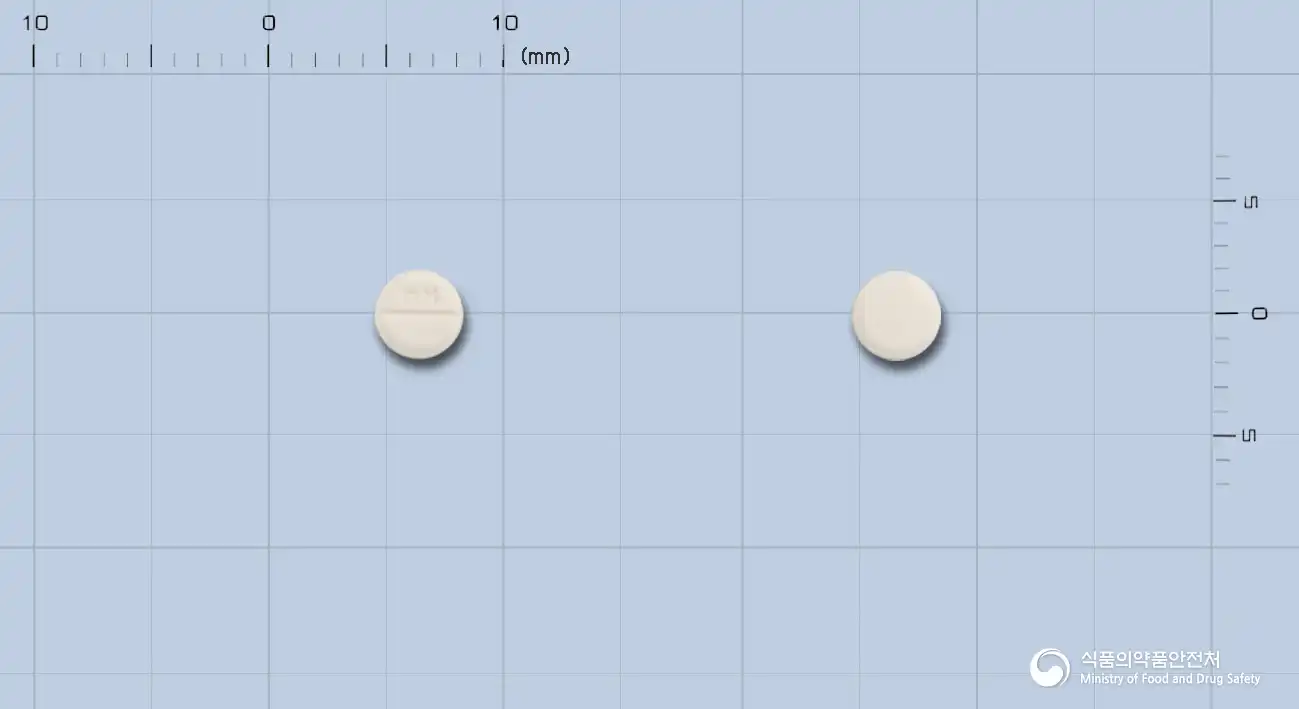
White round tablets
100 tablets/bottle
Even with the same ingredient, strength, dosage form and how it is taken can differ.
Viewing nowDilute Nitroglycerin 30mg
Sublingual Tablet · Prescription medication
Myungmoon Pharmaceutical Co., Ltd.
Dilute Nitroglycerin 51.47mg
Prescription medication
Ellison Pharmaceutical Co., Ltd.
Even with the same ingredient, the dose and directions can differ by strength and dosage form. Talk to a doctor or pharmacist before switching from a medication you are already taking.
No questions yet.
For anything that needs medical judgment, consult a doctor or pharmacist.
This drug information is based on data provided by the Korea Ministry of Food and Drug Safety.
Consult a doctor or pharmacist for accurate dosage, administration, and usage instructions.