
 한국어
 English
 日本語
 中文(简体)
 Viewing now
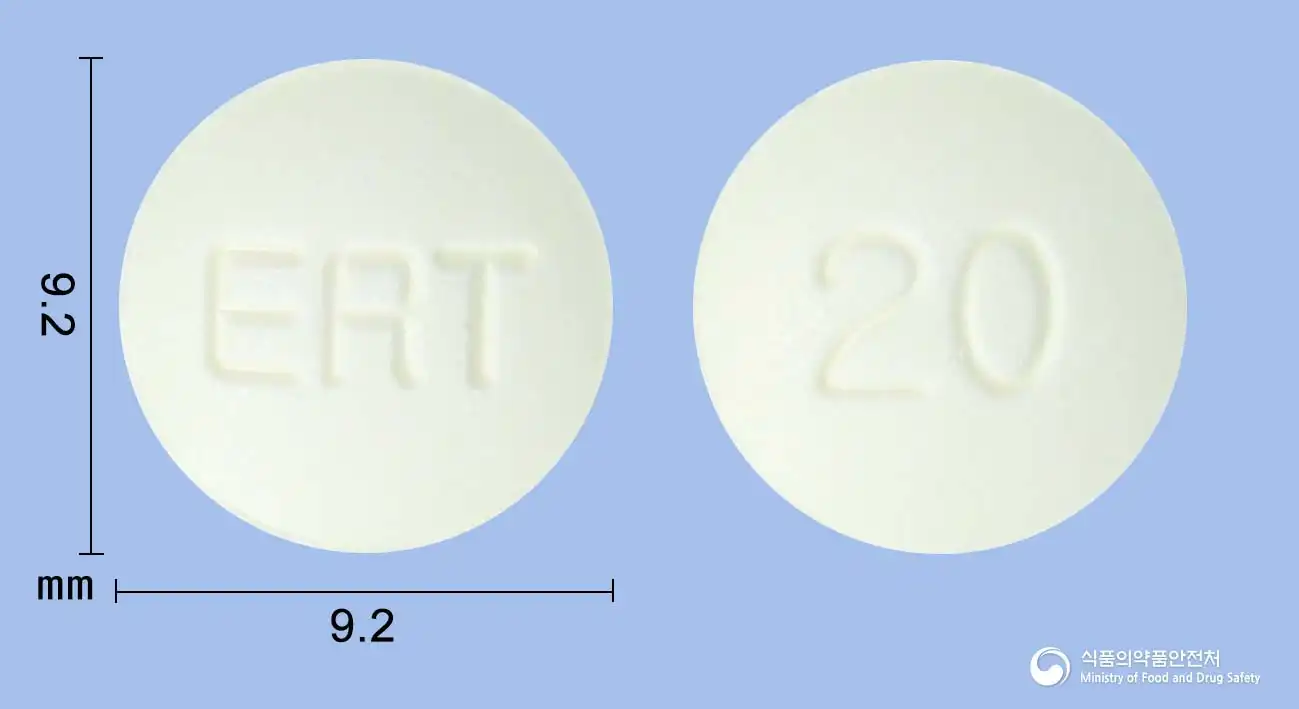
Eloton Tablet 20 milligrams (Isosorbide Dinitrate)
Isosorbide Mononitrate 22.23mg
Tablet · Prescription medication
Hyundai Pharmaceutical Co., Ltd.
MFDS item code 198601383 · Notified 1986.08.20 · Insurance code 642000870
Adjunctive treatment of coronary heart disease (e.g., angina and myocardial infarction) and congestive heart failure
This medication is used for coronary artery diseases, such as angina pectoris and myocardial infarction. It is also used as an adjunct with cardiac glycosides or diuretics in the treatment of congestive heart failure to support cardiac function. This helps facilitate blood flow in the heart and improves symptoms.
(Oral: 20㎎ tablet) Adults: The usual dose is 20㎎ of isosorbide mononitrate per dose, administered orally 2-3 times daily. The dose may be adjusted as appropriate according to age and symptoms. (Oral: 40㎎ tablet) Adults: The usual dose is 20㎎ of isosorbide mononitrate per dose, administered orally twice daily, or 40㎎ administered orally once daily. The dose may be adjusted as appropriate according to age and symptoms. (Oral: 50㎎ extended-release capsule) Adults: The usual dose is 50㎎ of isosorbide mononitrate administered orally once daily in the morning. The dose may be increased to 100㎎ as directed by a physician. In patients with circulatory insufficiency, if circulatory insufficiency occurs after the first dose, or if a headache occurs due to administration of nitrate preparations, begin treatment by splitting this 20㎎ tablet in half and administering it in the morning and evening. The dose may be adjusted as appropriate according to age and symptoms.
This medication should not be used in certain patients. It can be dangerous for patients with glaucoma or a history of allergy to nitrate preparations, severe hypotension or cardiogenic shock, and severe anemia. Additionally, patients with head injuries or cerebral hemorrhage should not use it as it may increase intracranial pressure. Patients with low left ventricular filling pressure during acute myocardial infarction, hypertrophic obstructive cardiomyopathy, and constrictive pericarditis should also avoid this medication. Since this product contains lactose, it should not be administered to people with genetic disorders such as lactose-dehydrogenase deficiency, galactose intolerance, or glucose-galactose malabsorption. Hypotensive patients, those with primary pulmonary hypertension, the elderly, patients with orthostatic regulation disorders, aortic stenosis, or mitral stenosis should use this medication with caution. This medication can cause dizziness, flushing, palpitations, hypotension, and edema. Neurological symptoms such as headaches, insomnia, lethargy, malaise, and numbness may occur. If skin rashes or itching occur, administration should be stopped immediately. Gastrointestinal abnormalities may include abdominal pain, diarrhea, gastric discomfort, dry mouth, nausea or vomiting, and loss of appetite. Liver function abnormalities may result in increased liver enzyme levels or symptoms of jaundice, so liver status should be monitored regularly. Other potential increases in muscle enzymes or kidney function tests may occur. This medication is not suitable for relieving angina attacks, so quickly acting other nitrate preparations should be used for symptom relief. Symptoms and progress should be carefully observed, and if there is no effect or symptoms worsen, alternative treatments should be considered. Patients who were using other nitrate preparations should not suddenly stop this medication, as it may worsen symptoms without medical guidance. If blood pressure drops too low, administration should be halted, and leg elevation or treatments to raise blood pressure should be administered. Orthostatic hypotension can occur, so caution is necessary. During the initial treatment, headaches may arise due to vascular dilation, in which case pain relievers can be used or medication dosages can be adjusted. This medication can worsen cardiac arrhythmias or hypotension when used with certain other drugs, so caution should be exercised in combination therapy. Especially, it should not be used with terfenadine or astemizole, and concomitant use with vasodilators, calcium channel blockers, antihypertensives, tricyclic antidepressants, and alcohol can intensify hypotension. During pregnancy, animal experiments have shown potential fetal effects, so it should only be used when the benefits of treatment outweigh the risks. During breastfeeding, as this medication may be transferred into breast milk, it should be avoided if possible, and if unavoidable, breastfeeding should be discontinued. Safety in children has not been established, so it is best not to use in pediatric patients. The elderly may have impaired liver and kidney function, so it is safer to start at a lower dose and gradually increase while closely monitoring for side effects.
Not everyone experiences these, and they can vary from person to person.
This medication may be sensitive to air or moisture, so it should be stored in a tightly sealed container. It is important to maintain a storage temperature between 1 degree and 30 degrees Celsius at room temperature.
Light yellow round tablets
30 tablets/bottle, 300 tablets/bottle
Even with the same ingredient, strength, dosage form and how it is taken can differ.
Viewing nowIsosorbide Mononitrate 22.23mg
Tablet · Prescription medication
Hyundai Pharmaceutical Co., Ltd.
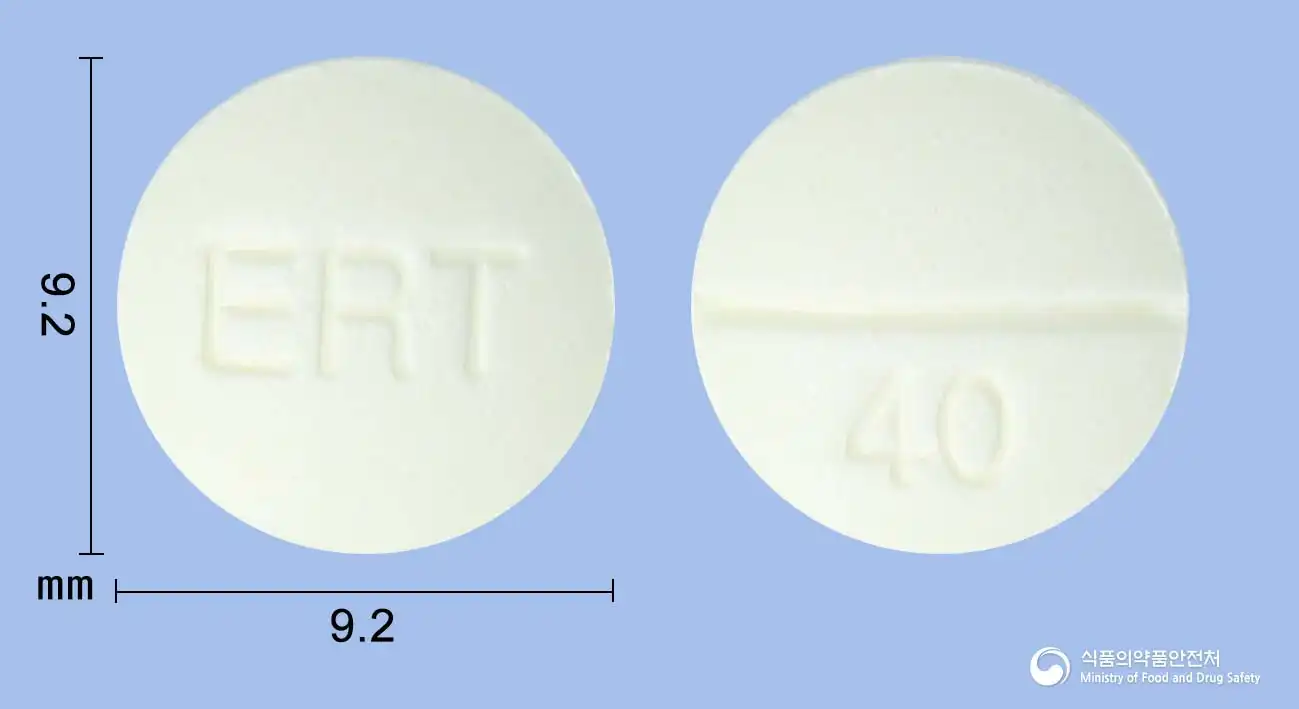
Isosorbide Mononitrate 44.46mg
Tablet · Prescription medication
Hyundai Pharmaceutical Co., Ltd.
Isosorbide Mononitrate 22.23mg
Tablet · Prescription medication
Ildong Pharmaceutical Co., Ltd.
Even with the same ingredient, the dose and directions can differ by strength and dosage form. Talk to a doctor or pharmacist before switching from a medication you are already taking.
No questions yet.
For anything that needs medical judgment, consult a doctor or pharmacist.
This drug information is based on data provided by the Korea Ministry of Food and Drug Safety.
Consult a doctor or pharmacist for accurate dosage, administration, and usage instructions.