
 한국어
 English
 日本語
 中文(简体)
 Viewing now
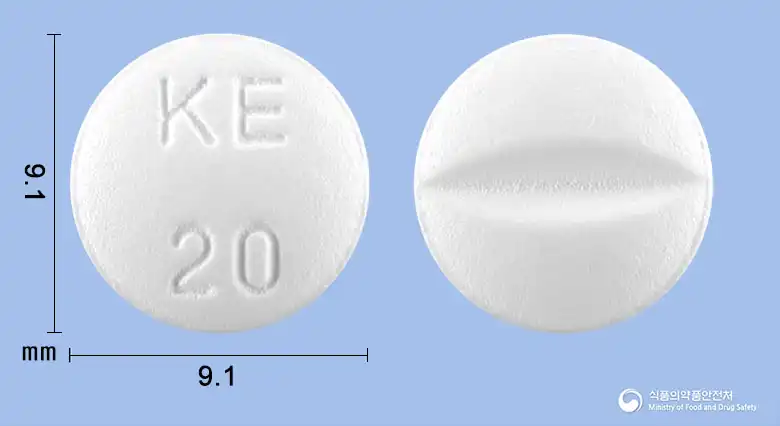
Bukwang Kelong Tablet (Betaxolol Hydrochloride)
Betaxolol Hydrochloride 20mg
Tablet · Prescription medication
Bukwang Pharmaceutical Co., Ltd.
MFDS item code 198600903 · Notified 1986.07.19 · Insurance code 642201020
Treatment of angina and essential hypertension
Essential hypertension and angina are major diseases related to cardiovascular health, and this medication is used to control blood pressure and improve blood circulation in the heart for the treatment of these conditions.
Adults: Administer 10mg of betaxolol hydrochloride orally once daily; the dose may be increased up to a maximum of 20mg per day. The dose may be adjusted according to age and symptoms.
This medication should not be suddenly discontinued in patients with angina, as it can increase the risk of heart rhythm disturbances, myocardial infarction, or sudden death. This medication should not be used in patients with certain conditions such as severe bradycardia, heart conduction problems, cardiogenic shock, heart failure due to pulmonary hypertension, diabetic acidosis, or metabolic acidosis. Additionally, it should not be administered to patients with severe asthma, chronic obstructive pulmonary disease, severe hypotension, a history of certain allergies, or genetic lactose intolerance. Care should be taken when using this medication in patients with obstructive airway disease, peripheral blood circulation disorders, risk of heart failure, or hyperthyroidism, and blood sugar levels in patients with diabetes must be carefully monitored to avoid masked hypoglycemia. While taking this medication, patients may experience various side effects such as bradycardia (slow heart rate), fatigue, shortness of breath, dizziness, headache, or erectile dysfunction; if any abnormal symptoms occur, immediate consultation with a healthcare professional is necessary. Sudden cessation of the medication can be dangerous to health, so when discontinuing, the dosage should be gradually reduced according to a physician's instructions. This medication may affect glaucoma test results, so patients receiving ophthalmic treatment must inform their doctor about taking this medication. Patients with poor kidney function may require dose adjustments, and regular monitoring of heart function, blood pressure, and electrocardiograms should be conducted during long-term use. This medication can interact with various drugs, so patients taking other medications should inform their healthcare provider, especially regarding blood pressure medications, anticoagulants, antiarrhythmics, and diabetes treatments. Women who are pregnant or may become pregnant should avoid using this medication, and nursing mothers should also avoid it as it can be secreted into breast milk and affect the baby. Caution is advised if driving or operating machinery as dizziness or fatigue may occur; it is not recommended for children as safety and efficacy have not been established. Elderly patients may be more sensitive to this medication, and treatment should start at a lower dosage with careful monitoring. In case of overdose, symptoms such as bradycardia, hypotension, bronchospasm, or hypoglycemia may occur, and immediate medical attention should be sought for appropriate treatment. This medication should be kept out of the reach of children and stored in its original container to prevent misuse or deterioration of quality.
Not everyone experiences these, and they can vary from person to person.
This medication may be sensitive to air or moisture, so it must be stored in a sealed container. It is also important to keep it at room temperature, avoiding extreme temperatures.
White circular film-coated tablet
30 tablets/bottle, 100 tablets/bottle
Even with the same ingredient, strength, dosage form and how it is taken can differ.
Viewing nowBetaxolol Hydrochloride 20mg
Tablet · Prescription medication
Bukwang Pharmaceutical Co., Ltd.
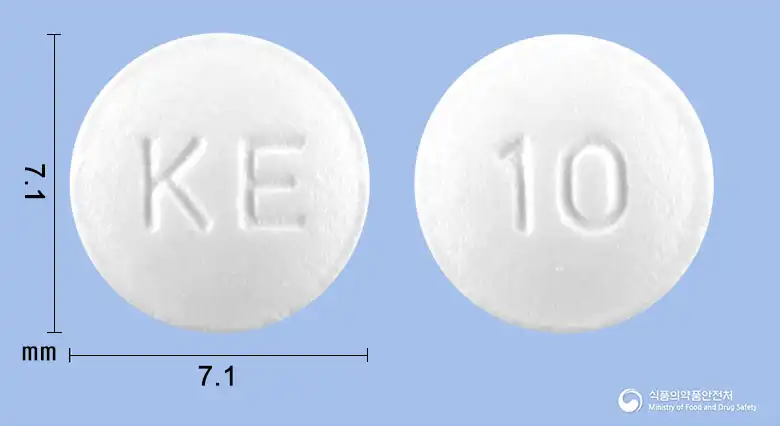
Betaxolol Hydrochloride 10mg
Tablet · Prescription medication
Bukwang Pharmaceutical Co., Ltd.
Betaxolol Hydrochloride 20mg
Tablet · Prescription medication
Jinyang Pharmaceutical Co., Ltd.
Betaxolol Hydrochloride 5.6mg
Eye drops · Prescription medication
Korea Novartis Co., Ltd.
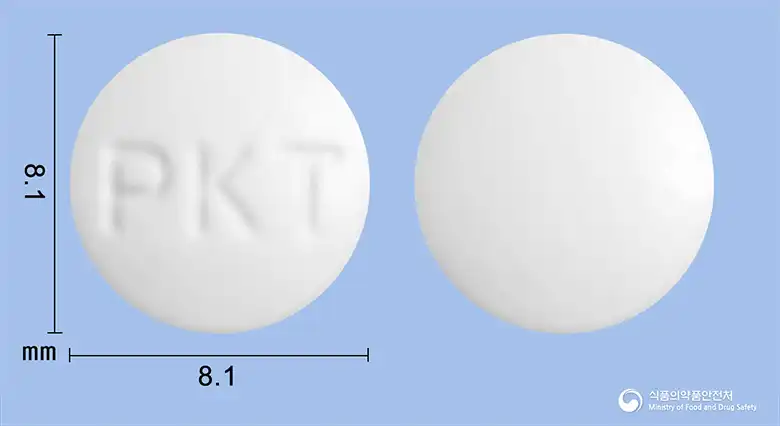
Betaxolol Hydrochloride 20mg
Tablet · Prescription medication
Korea Pavis Pharmaceutical Co., Ltd.
Betaxolol Hydrochloride 2.8mg
Suspension · Prescription medication
Novartis Korea Co., Ltd.
Even with the same ingredient, the dose and directions can differ by strength and dosage form. Talk to a doctor or pharmacist before switching from a medication you are already taking.
No questions yet.
For anything that needs medical judgment, consult a doctor or pharmacist.
This drug information is based on data provided by the Korea Ministry of Food and Drug Safety.
Consult a doctor or pharmacist for accurate dosage, administration, and usage instructions.