
 한국어
 English
 日本語
 中文(简体)
Dosage form image
Viewing nowCejal Tarivid Tablets (Ofloxacin) (Military Name: Ofloxacin Tablet 100 Milligrams)
Ofloxacin 100mg
Tablet · Prescription medication
Cejal Pharmaceutical Co., Ltd.
MFDS item code 198600307 · Notified 1986.04.18
This product's status changed to Approval withdrawn on 2025.06.27. It may no longer be sold, so consult a doctor or pharmacist before taking it.
Treatment of bacterial infections (such as pneumonia, cystitis, and skin infections); adjunctive treatment of Hansen's disease
This drug is effective against various bacteria such as Staphylococcus, Streptococcus, Escherichia coli, and Streptococcus pneumoniae, and is used for several infectious diseases, ranging from complex skin and soft tissue infections to acute and chronic otitis media, sinusitis, community-acquired pneumonia, acute exacerbation of chronic obstructive pulmonary disease, urinary tract infections, bacterial prostatitis, enteritis, female reproductive system infections, and eye disorders. However, as this drug is a fluoroquinolone antibiotic that carries a risk of serious adverse reactions, it is primarily used when other treatment options are unavailable. Therefore, patients should take it cautiously and consult with their prescribing physician or pharmacist. This drug acts effectively in treating complex bacterial infections to help improve symptoms.
○ The usual adult dosage of ofloxacin is 300~600 mg per day, divided into 2~3 doses. ○ For Hansen’s disease, take 400~600 mg per day of this medicine, divided into 2~3 doses. In principle, use in combination with other antileprosy drugs. Adjust the dosage as appropriate according to age and symptoms.
This drug may cause serious tendon issues such as tendonitis and tendon rupture; therefore, if these symptoms occur, use should be discontinued immediately. It may affect peripheral neuropathy or the central nervous system, so caution is necessary if neurological symptoms occur. This drug should not be used by patients with myasthenia gravis, as it may worsen symptoms. In elderly patients, those with reduced kidney function, and those taking corticosteroids concurrently, the risk of tendon rupture is increased; therefore, co-prescription should be avoided. This drug may increase the risk of seizures, so patients with a history of seizures or central nervous system disorders should administer it cautiously. It is safer for pregnant or breastfeeding women, adolescents under 18, and patients with certain blood diseases or epilepsy to avoid using this drug. During administration, allergic reactions such as skin rash, itching, and difficulty breathing may occur; hence, if any abnormal symptoms arise, immediate consultation with healthcare personnel is required. For patients with liver or kidney dysfunction, regular testing is needed, and maintaining adequate hydration to reduce kidney burden is crucial. This drug may cause dizziness or drowsiness; therefore, caution is advised while driving or operating machinery. Patients managing blood sugar levels may experience hypoglycemia or hyperglycemia symptoms; therefore, frequent blood sugar monitoring is necessary. This drug may interact with other medications, so particularly if taken with anticoagulants, antihypertensives, antacids, or diabetes medications, it should be communicated to healthcare personnel. Avoid strong sunlight or ultraviolet exposure while taking this drug, and stop using it if phototoxic reactions occur. Store in a place out of reach of children, and do not transfer to another container.
Not everyone experiences these, and they can vary from person to person.
This drug should be stored in a sealed container to prevent exposure to air and moisture. Additionally, it is important to keep it away from direct sunlight and store it at room temperature. This helps maintain the drug's efficacy and ensures safe usage.
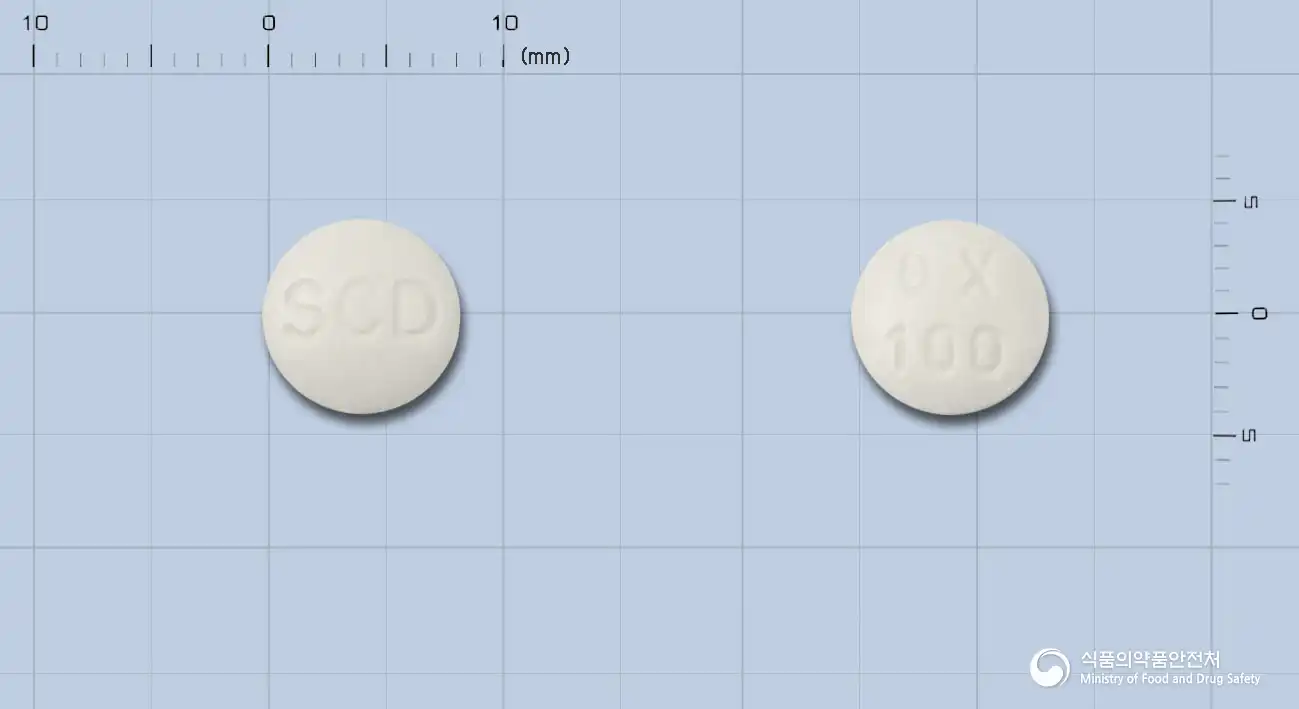
It is a white to yellowish-white round film-coated tablet.
30 tablets/bottle, 300 tablets/bottle
Even with the same ingredient, strength, dosage form and how it is taken can differ.
Ofloxacin 100mg
Tablet · Prescription medication
Cejal Pharmaceutical Co., Ltd.
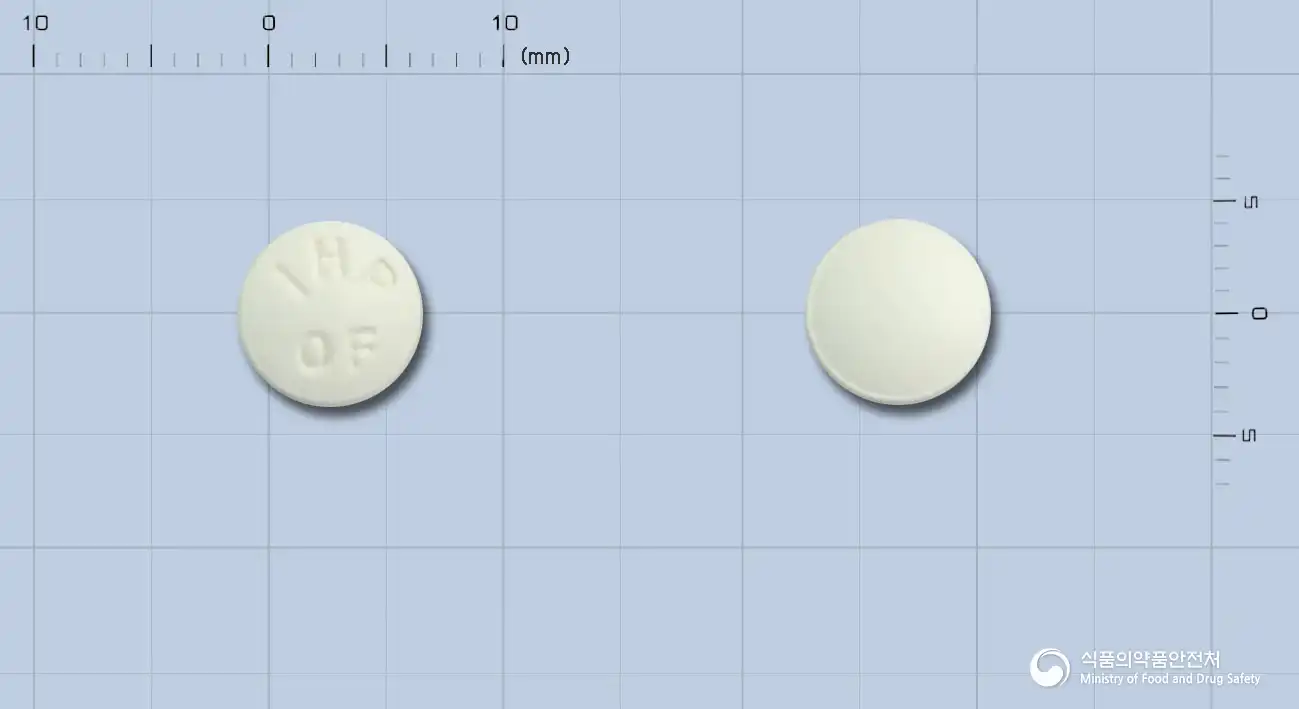
Ofloxacin 100mg
Tablet · Prescription medication
Ilhwa
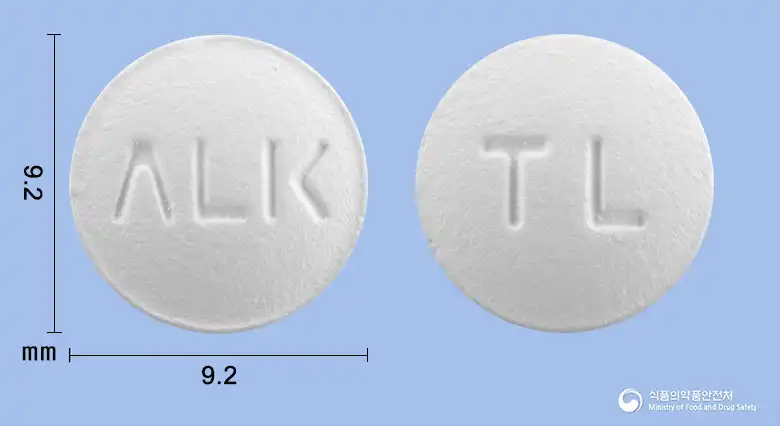
Ofloxacin 100mg
Tablet · Prescription medication
Alvogen Korea Co., Ltd.
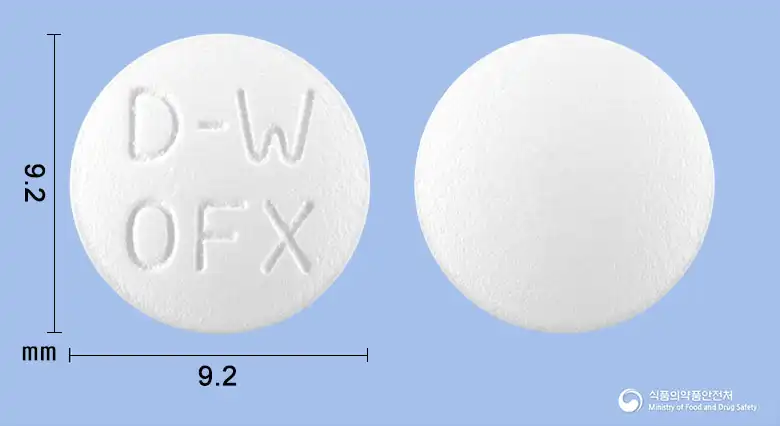
Ofloxacin 100mg
Tablet · Prescription medication
Donghwa Pharmaceutical Co., Ltd.
Ofloxacin
Prescription medication
Gujoo Pharmaceutical Co., Ltd.
Ofloxacin 200mg
Tablet · Prescription medication
Jeil Pharmaceutical Co., Ltd.
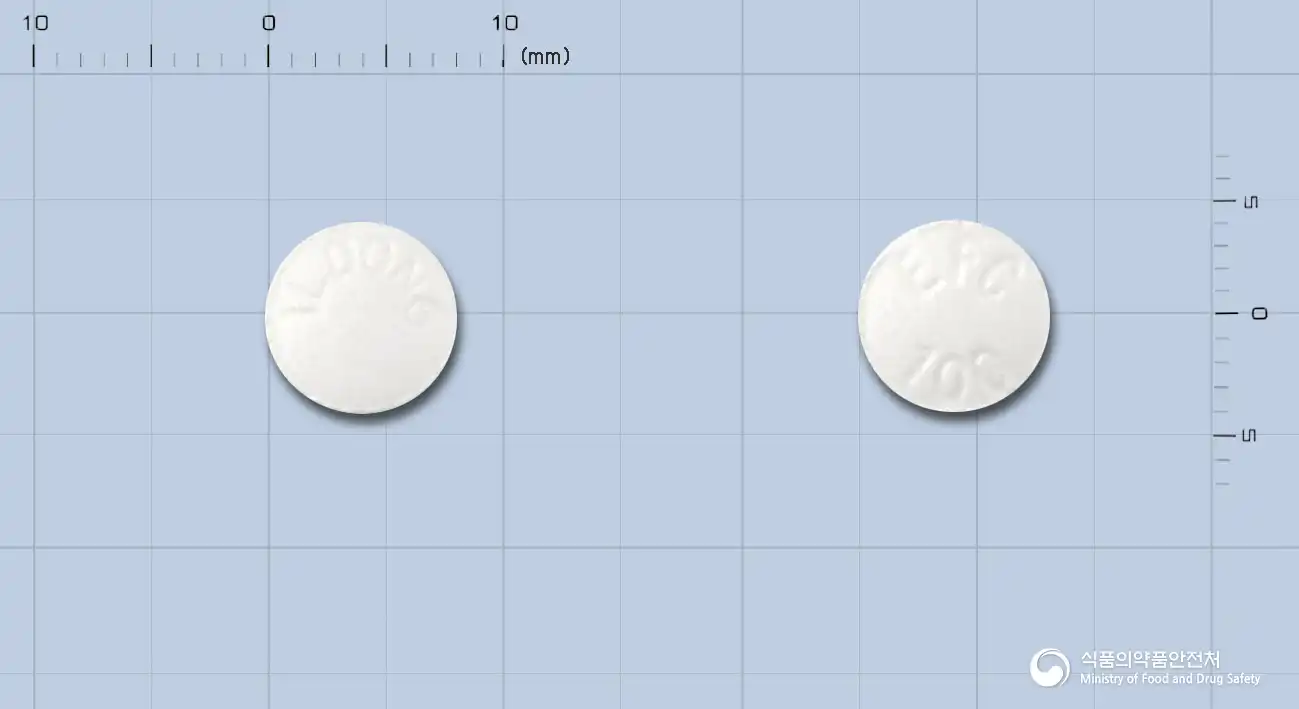
Ofloxacin 100mg
Tablet · Prescription medication
Il Dong Pharmaceutical Co., Ltd.
Ofloxacin 100mg
Tablet · Prescription medication
Samcheondang Pharmaceutical Co., Ltd.
Even with the same ingredient, the dose and directions can differ by strength and dosage form. Talk to a doctor or pharmacist before switching from a medication you are already taking.
No questions yet.
For anything that needs medical judgment, consult a doctor or pharmacist.
This drug information is based on data provided by the Korea Ministry of Food and Drug Safety.
Consult a doctor or pharmacist for accurate dosage, administration, and usage instructions.