
 한국어
한국어 English
 日本語
日本語 中文(简体)
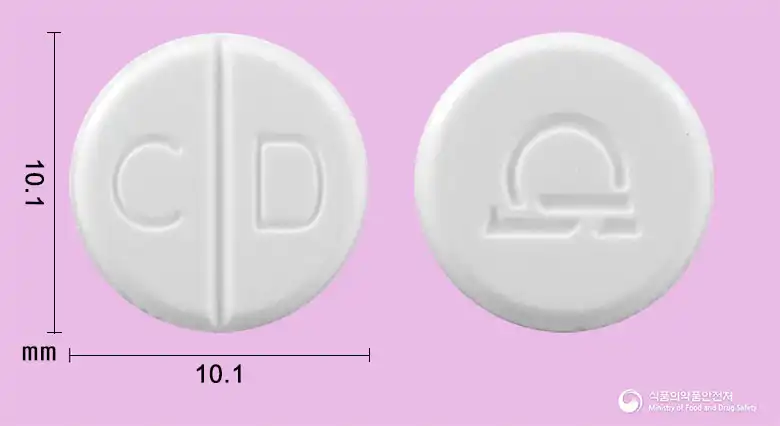 Viewing nowCombination
Kodaewonjeong
Dihydrocodeine Tartrate 5mg · Guaifenesin 50mg +2 more
Tablet · Prescription medication · Combination
Daewon Pharmaceutical Co., Ltd.
MFDS item code 198501820 · Approved 1985.01.29 · Insurance code 671802920
Relief of cough and phlegm
Cough and phlegm are common symptoms of respiratory diseases. These symptoms occur when there is inflammation or irritation in the bronchi or lungs. This medication helps relieve cough and thin phlegm to facilitate expulsion, making breathing easier and soothing symptoms. It is mainly used for respiratory issues such as colds or bronchitis.
For adults and adolescents aged 15 years and older, take 2 tablets at a time, 3 times a day after meals by mouth.
For children aged 12 to under 15 years, take 1 tablet at a time, 3 times a day after meals by mouth.
This medication should be avoided in patients under 18 years old, those with obesity, obstructive sleep apnea syndrome, or severe lung disease, due to an increased risk of severe respiratory depression. Patients who have a hypersensitivity to this medication or its components, or have a history of such reactions, should not take it. Patients currently taking or who have stopped taking MAO inhibitors less than two weeks ago, such as antidepressants, antipsychotics, mood stabilizers, and antiparkinsonian drugs, should also avoid this medication. This medication should not be given to children under 12 years, nursing mothers, patients with glaucoma, or those with lower urinary obstruction diseases such as prostate enlargement. Since it contains lactose, patients with genetic issues such as galactose intolerance, lactase deficiency, or glucose-galactose malabsorption should not use it. Caution is advised in individuals with allergic conditions or a history of drug allergies, as well as those with liver, kidney, or thyroid disorders, diabetes, or those who are frail or have high fever. Patients with cardiovascular diseases, elderly individuals, pregnant women or those who could become pregnant, and patients with elevated intraocular pressure or urination problems should be careful. Those with respiratory diseases such as smoking, asthma, chronic bronchitis, emphysema, or a cough lasting more than a week should also exercise caution. This medication may cause drowsiness, so it is advisable to avoid driving or operating machinery while taking it. It should not be taken with other cold medications, sedatives, or antihistamines, and taking it with alcohol may intensify drowsiness. Its safety during pregnancy has not been established, so it should only be used cautiously when necessary, and nursing mothers are advised against use as it may pass into breast milk and affect the baby. In children, an overdose may lead to severe side effects, so special caution is necessary, and it should not be used in children under 12 years. Elderly patients should be monitored closely for adverse effects due to declining body functions. This medication may affect the results of some clinical tests, so it is important to inform healthcare providers before undergoing tests. In cases of overdose, severe central nervous system abnormalities, seizures, respiratory distress, or heart problems may occur, and immediate emergency treatment is required. Finally, this medication should be stored out of reach of children, away from direct sunlight and moisture, in a cool place, and should not be transferred to another container.
Not everyone experiences these, and they can vary from person to person.
This medication may be sensitive to air or moisture, so it should be stored in a sealed container. It is important to maintain a storage temperature between 1 and 30 degrees Celsius. Proper storage will ensure the medication's effectiveness and safety for a long time.
For domestic use - white round tablet, for export - pale yellow oval tablet
For domestic use: 600 tablets/bottle For export: 30 tablets (10 tablets/PTP x 3), 100 tablets (10 tablets/PTP x 10), 500 tablets/bottle
Even with the same ingredient, strength, dosage form and how it is taken can differ.
Viewing nowCombinationDihydrocodeine Tartrate 5mg · Guaifenesin 50mg +2 more
Tablet · Prescription medication · Combination
Daewon Pharmaceutical Co., Ltd.
Dihydrocodeine Tartrate 50mg · DL-Methylephedrine Hydrochloride 131.25mg +2 more
Prescription medication · Combination
Sama Pharmaceutical Co., Ltd.
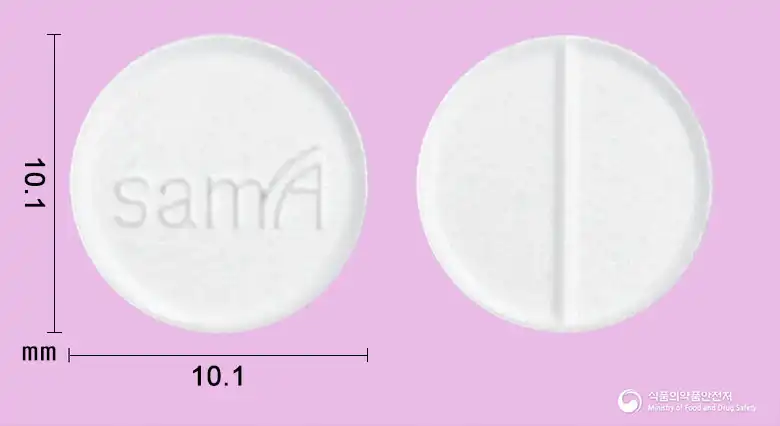 Combination
Dihydrocodeine Tartrate 5mg · Guaifenesin 50mg +2 more
Tablet · Prescription medication · Combination
Sama Pharmaceutical Co., Ltd.
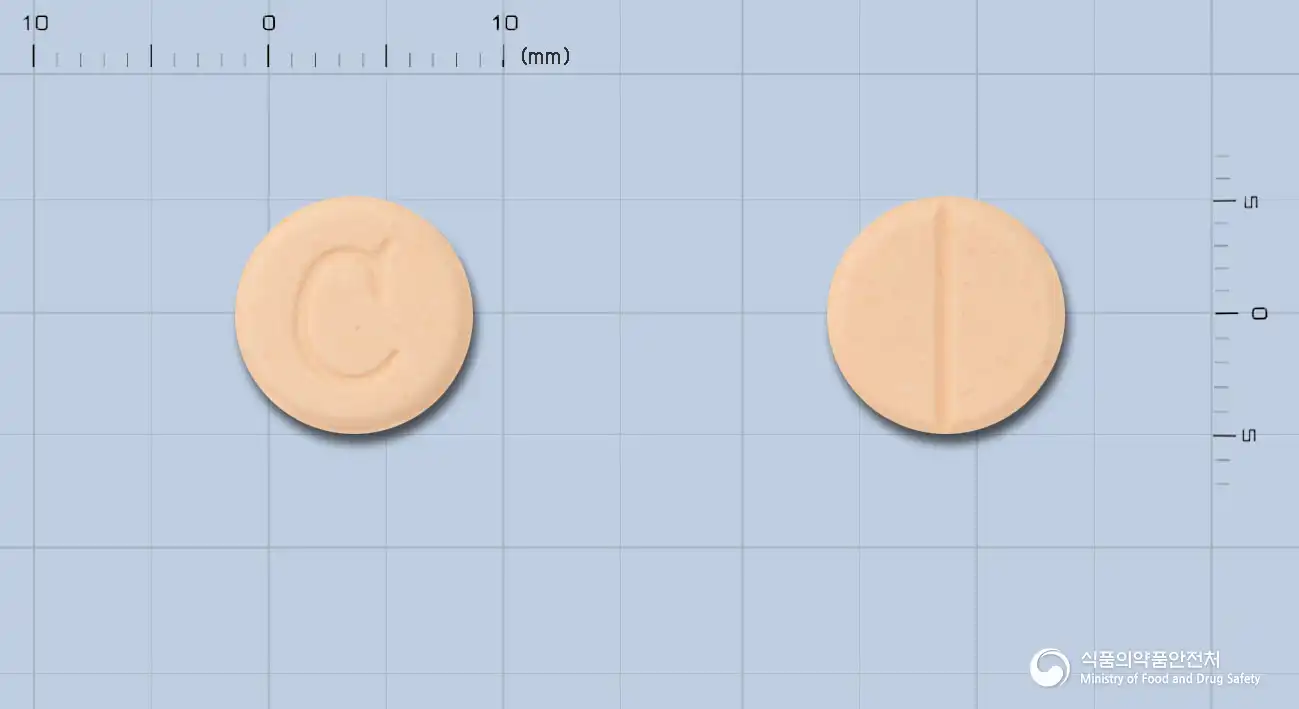 Combination
Dihydrocodeine Tartrate 5mg · DL-Methylephedrine Hydrochloride 17.5mg +2 more
Tablet · Prescription medication · Combination
JongkunDang Co., Ltd.
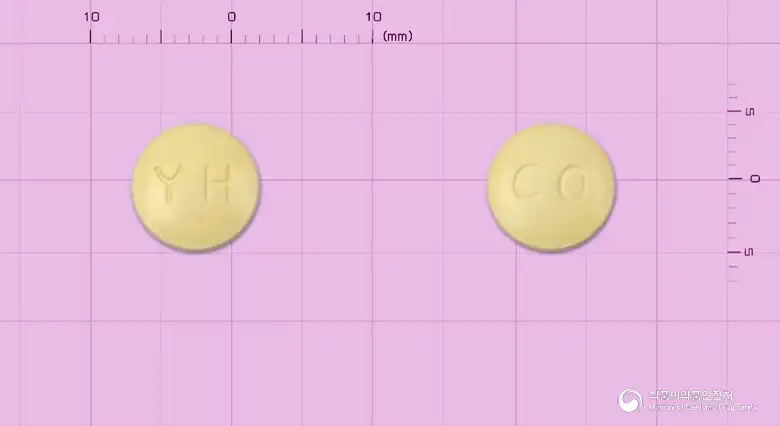 Combination
Dihydrocodeine Tartrate 5mg · Guaifenesin 50mg +2 more
Tablet · Prescription medication · Combination
Yuhan Corporation
Even with the same ingredient, the dose and directions can differ by strength and dosage form. Talk to a doctor or pharmacist before switching from a medication you are already taking.
No questions yet.
For anything that needs medical judgment, consult a doctor or pharmacist.
This drug information is based on data provided by the Korea Ministry of Food and Drug Safety.
Consult a doctor or pharmacist for accurate dosage, administration, and usage instructions.