
 한국어
 English
 日本語
 中文(简体)
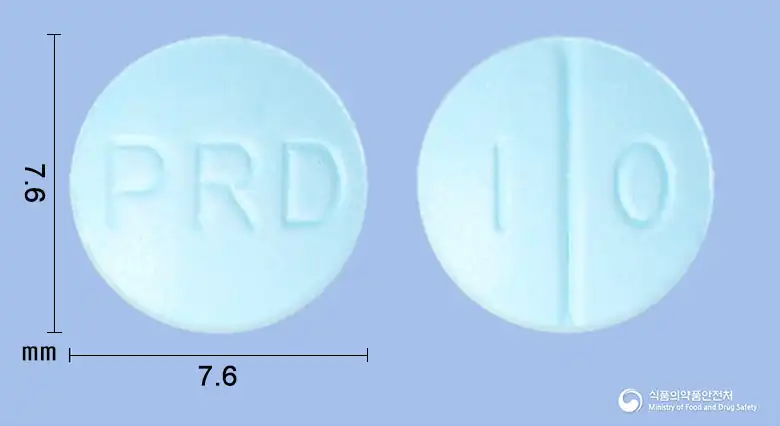 Viewing now
Peridol 10 mg (Haloperidol)
Haloperidol 10mg
Tablet · Prescription medication
Han-in Pharmaceuticals Co., Ltd.
MFDS item code 198400475 · Notified 1984.02.23 · Insurance code 657200900
Treatment of psychotic disorders (such as schizophrenia), manic episodes of type I bipolar disorder, and Tourette syndrome
This medication is used to improve symptoms of schizophrenia, manic episodes of bipolar disorder type 1, and psychotic disorders. It is also effective in controlling symptoms associated with Tourette syndrome. It helps alleviate the symptoms of major mental disorders to assist patients in their daily lives. For these reasons, it is widely used in the treatment of mental health issues.
Schizophrenia, manic episodes associated with bipolar I disorder, symptoms of psychotic disorders, and Tourette syndrome (Gilles de la Tourette's syndrome): The initial dose of haloperidol is 1-15㎎ per day, administered orally in 2-3 divided doses (in severe cases, up to 100㎎ may be administered). Once a therapeutic response is achieved, gradually reduce the dose to the minimum effective maintenance dose. Adjust the dose as appropriate according to age and symptoms. For elderly or debilitated patients, the initial dose of haloperidol is 1-6mg per day, administered orally in 2-3 divided doses.
Children (14 years and older) with schizophrenia, manic episodes associated with bipolar I disorder, symptoms of psychotic disorders, and Tourette syndrome (Gilles de la Tourette's syndrome): The initial dose of haloperidol is 1-15㎎ per day, administered orally in 2-3 divided doses (in severe cases, up to 100㎎ may be administered). Once a therapeutic response is achieved, gradually reduce the dose to the minimum effective maintenance dose.
This medication may increase the risk of mortality in elderly patients with dementia, so caution is required. Special care must be taken in patients at risk of stroke. As there is a risk of venous thromboembolism, risk factors should be assessed and preventive measures should be taken before and during use. This medication should not be used in cases of hypersensitivity, severe heart failure, Parkinson's disease, certain types of dementia, during pregnancy, or while breastfeeding. Caution is required for patients with impaired liver or kidney function, those with seizure disorders, and those with unstable blood pressure. Serious side effects such as cardiac anomalies, blood pressure changes, thromboembolism, and neuroleptic malignant syndrome can occur, so patients should be monitored carefully. Long-term use may lead to involuntary movement disorders, liver function abnormalities, or vision disorders. This medication may cause drowsiness or dizziness, so driving or operating dangerous machinery should be avoided. Sudden withdrawal may lead to withdrawal symptoms, so it is important to gradually reduce the dosage. Drug interactions may occur when used with other central nervous system depressants or specific medications, so consultation with a physician is necessary. Women who are pregnant or may become pregnant should not use this medication, and it is recommended to discontinue use while breastfeeding. Caution and dosage adjustments are necessary for children and the elderly due to a higher risk of side effects. In cases of overdose, serious neurological and cardiovascular side effects may occur, and immediate medical attention should be sought. Regular blood tests and liver and kidney function tests are recommended during the use of this medication.
Increased mortality, cerebrovascular disease, venous thrombosis, abnormal electrocardiogram, prolonged QT interval, T-wave changes, hypotension, hypertension, tachycardia, ventricular tachycardia, thromboembolism, motor paralysis, severe muscle rigidity, dysphagia, dehydration, fever, leukocytosis, elevated serum CPK, myoglobinuria, impaired kidney function, high fever, altered consciousness, dyspnea, circulatory collapse, dehydration symptoms, acute renal failure, acute muscle rigidity, ocular myoclonus, torticollis, trismus, parkinsonian rigidity, tremors, akinesia, inability to sit cross-legged, focal motor disorder, hepatitis, jaundice, liver dysfunction, retinitis, cataract, impaired vision accommodation, blurred vision, corneal opacity, lens opacity, corneal pigmentation, edema, erythema, urticaria, exfoliative dermatitis, photosensitivity, anaphylactic reaction, anemia, leukocytosis, leukopenia, erythrocytopenia, agranulocytosis, loss of appetite, nausea, vomiting, constipation, diarrhea, intestinal paralysis, paralytic ileus, hyperprolactinemia, gynecomastia, galactorrhea, menstrual irregularities, changes in libido, hyperglycemia, hypoglycemia, weight gain, weight loss, hyponatremia, hypopituitarism, syndrome of inappropriate antidiuretic hormone secretion, bronchospasm, laryngospasm, dyspnea, insomnia, anxiety, drowsiness, dizziness, headache, anxiety, depression, hallucinations, excitement, thirst, nasal congestion, fatigue, urinary retention, fever, sweating, flushing, hypothermia
Not everyone experiences these, and they can vary from person to person.
This medication is sensitive to light and should be stored in a container that prevents light exposure. Additionally, it is best to store the medication at a cool room temperature between 1 degree and 30 degrees.
Blue round tablet
For domestic use - 1000 tablets/bottle, for export - 30 tablets/PTP [(10 tablets/PTP × 3)]
Even with the same ingredient, strength, dosage form and how it is taken can differ.
Viewing nowHaloperidol 10mg
Tablet · Prescription medication
Han-in Pharmaceuticals Co., Ltd.
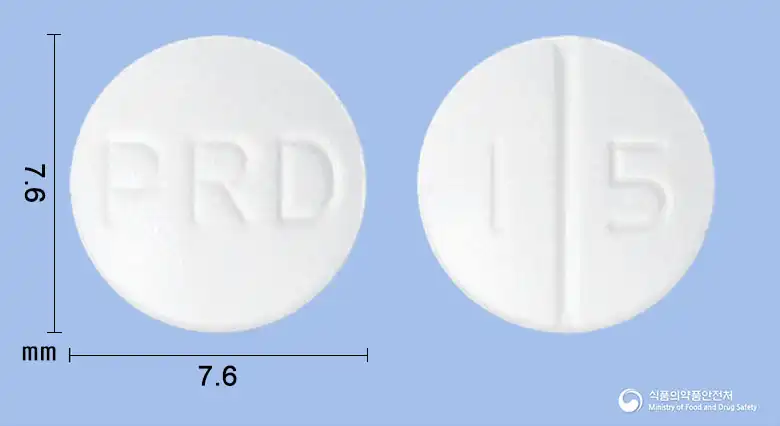
Haloperidol 1.5mg
Tablet · Prescription medication
Han-in Pharmaceuticals Co., Ltd.
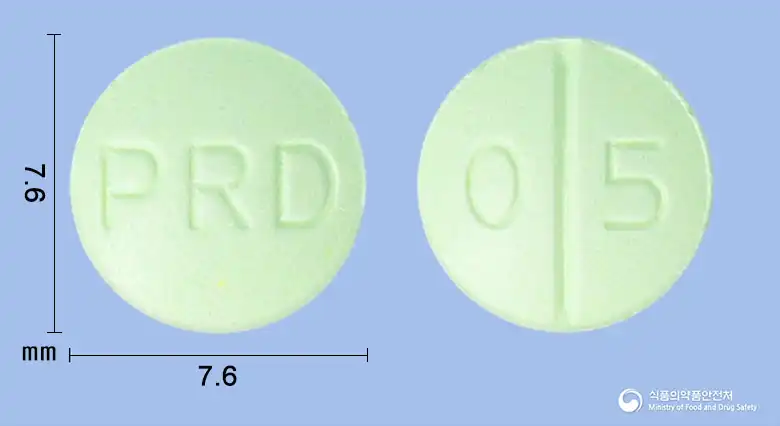
Haloperidol 5mg
Tablet · Prescription medication
Han-in Pharmaceuticals Co., Ltd.
Haloperidol 5mg
Prescription medication
Hanin Pharmaceutical Co., Ltd.
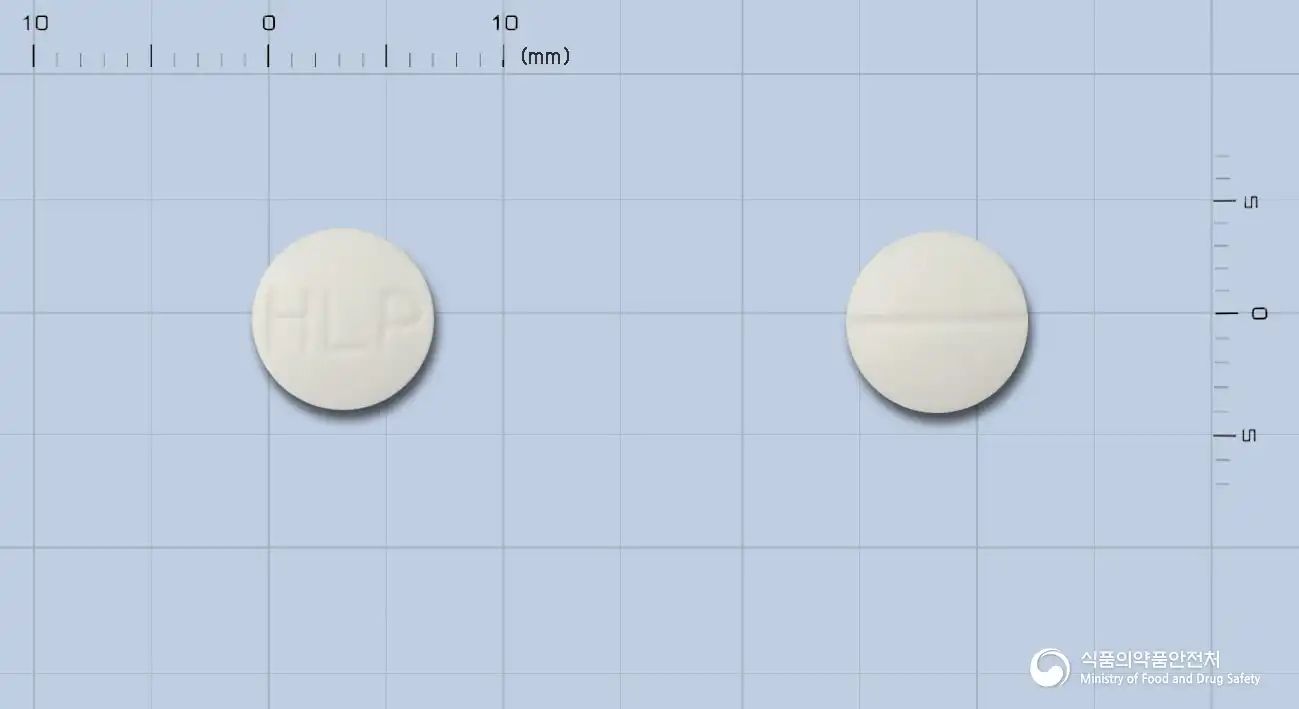
Haloperidol 1.5mg
Tablet · Prescription medication
Myungjin Pharmaceuticals Co., Ltd.
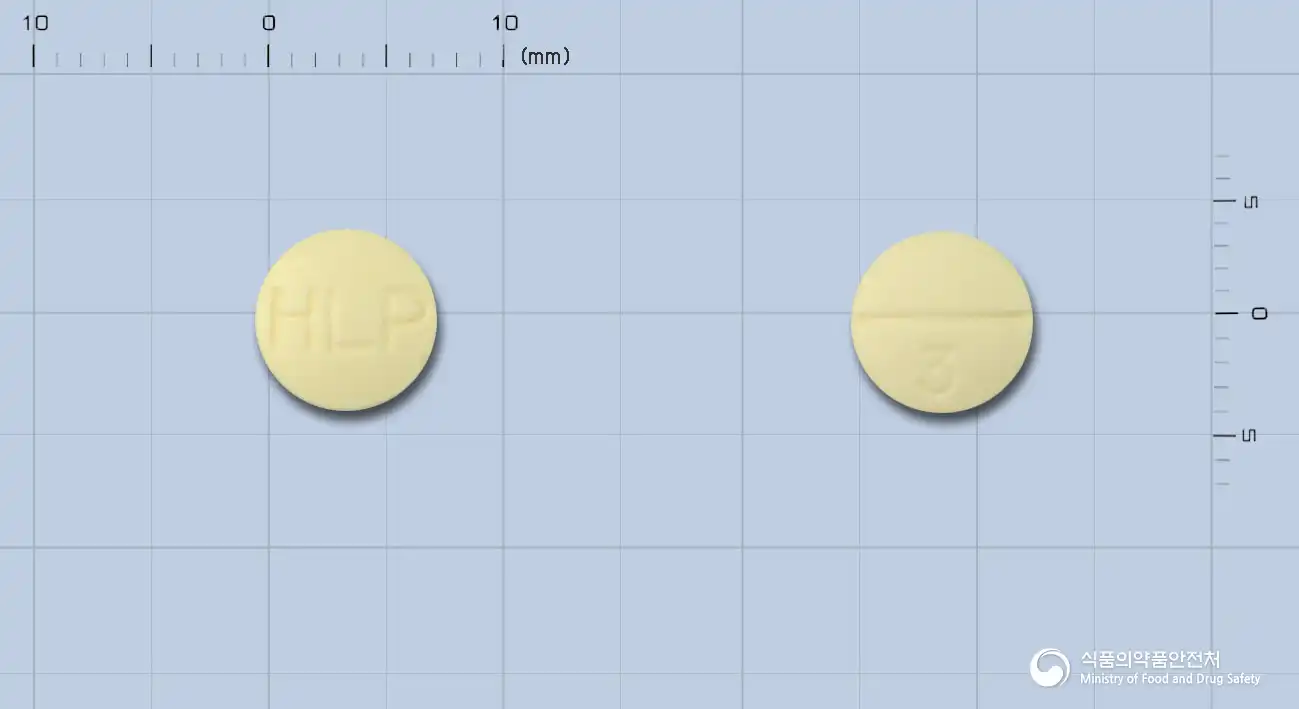
Haloperidol 3mg
Tablet · Prescription medication
Myungjin Pharmaceuticals Co., Ltd.
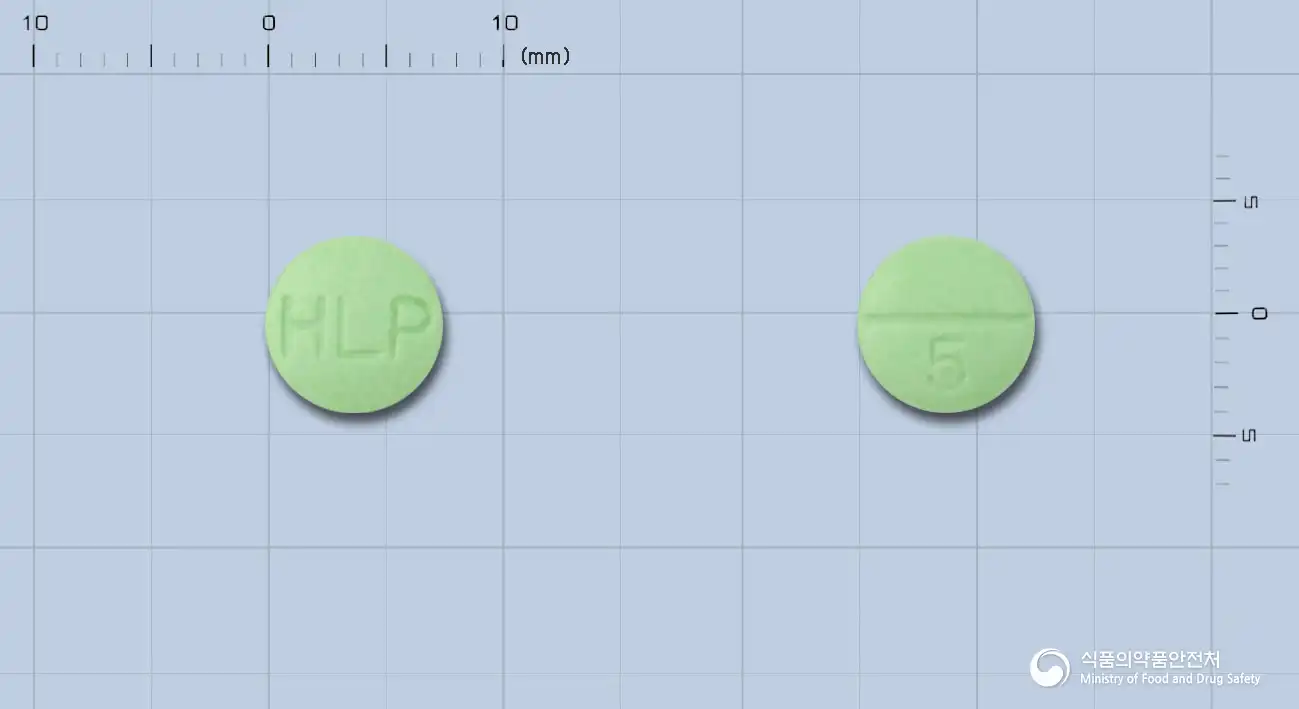
Haloperidol 5mg
Tablet · Prescription medication
Myungin Pharmaceutical Co., Ltd.
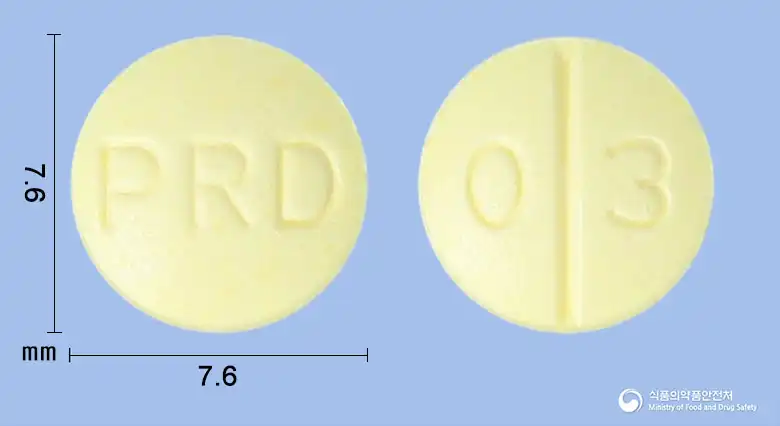
Haloperidol 3mg
Tablet · Prescription medication
Hanin Pharmaceutical Co., Ltd.
Even with the same ingredient, the dose and directions can differ by strength and dosage form. Talk to a doctor or pharmacist before switching from a medication you are already taking.
No questions yet.
For anything that needs medical judgment, consult a doctor or pharmacist.
This drug information is based on data provided by the Korea Ministry of Food and Drug Safety.
Consult a doctor or pharmacist for accurate dosage, administration, and usage instructions.