
 한국어
 English
 日本語
 中文(简体)
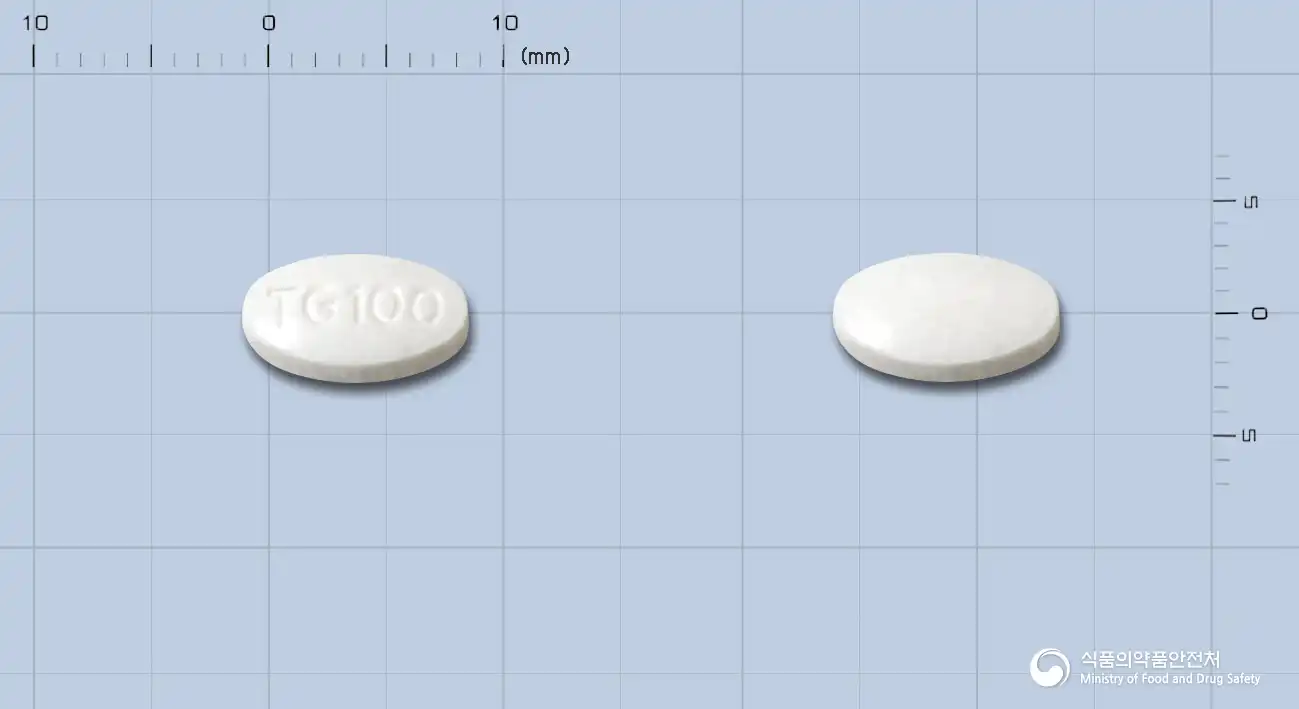
Summary
- Main use
- Treatment of dermatitis herpetiformis and Hansen's disease
- Who takes it
- Adults · Children
- Adult dose
- 1. Leprosy 1) Adults: Administer 100 mg of dapsone orally once daily. In principle, administer in combination with other antileprosy drugs. 2. Dermatitis herpetiformis The usual adult dose of this drug is 50 mg orally 3~4 times daily. Adjust the dose as appropriate according to age and symptoms.
- Child dose
- 1. Leprosy 2) Children: Administer this drug orally at a dose of 1.4 mg per kg of body weight per day.
Ingredients
- Manufacturer
- Taeguk Pharmaceutical Co., Ltd.
Efficacy & effects
Treatment of dermatitis herpetiformis and Hansen's disease
- Hansen's disease
- dermatitis herpetiformis
View approved original textHide original text
Hansen's disease and dermatitis herpetiformis are diseases that affect the nerves and skin, respectively. This medication is used for Hansen's disease and dermatitis herpetiformis.
How to take
Adult dose
1. Leprosy 1) Adults: Administer 100 mg of dapsone orally once daily. In principle, administer in combination with other antileprosy drugs. 2. Dermatitis herpetiformis The usual adult dose of this drug is 50 mg orally 3~4 times daily. Adjust the dose as appropriate according to age and symptoms.
Child dose
1. Leprosy 2) Children: Administer this drug orally at a dose of 1.4 mg per kg of body weight per day.
Precautions
This medication should not be used by individuals who are allergic to certain ingredients. This medication contains lactose and should not be administered to patients with a genetic disorder that causes lactose intolerance. Patients with impaired liver function, blood-related disorders, or those who are physically weak should exercise caution when using this medication. This medication can place stress on the liver; if symptoms such as hepatitis or jaundice occur, the use should be stopped immediately, and a physician should be consulted. Regular blood tests should be performed as abnormal results may occur; if severe anemia or leukopenia develops, the medication should be discontinued. Neurological symptoms such as headaches, dizziness, and insomnia may occur, as well as symptoms of nerve damage such as muscle weakness, so careful monitoring is necessary. If allergic reactions such as skin rash, fever, or blisters occur, the medication should be stopped immediately, and appropriate treatment should be received. Gastrointestinal discomfort may occur, so symptoms like nausea, vomiting, and abdominal pain should be monitored closely. Renal problems may arise; if proteinuria or renal-related symptoms occur, use should be stopped. This medication may interact with other drugs, particularly if used with certain antibiotics or folate antagonists, so caution is advised. Women who are pregnant or breastfeeding should discuss with a physician before using this medication as it may affect the baby. In case of overdose, symptoms such as nausea, vomiting, and severe allergic reactions may occur, and in some cases, professional treatment may be necessary. When using this medication, it is very important to follow regular check-ups and take it safely according to the physician's instructions.
Side effects
Toxic hepatitis, cholestatic jaundice, hyperbilirubinemia, methemoglobinemia, hemolysis, leukopenia, agranulocytosis, eosinophilia, infectious mononucleosis, headache, dizziness, tinnitus, insomnia, psychosis, depressive state, manic state, muscle weakness, allergic dermatitis, fever, blisters, erythema, DRESS syndrome, toxic epidermal necrolysis, measles-like and scarlet fever-like reactions, urticaria, loss of appetite, nausea, vomiting, abdominal pain, pancreatitis, proteinuria, hypoalbuminemia, renal papillary necrosis, tachycardia, hematuria, blurred vision, phototoxicity, male infertility
Not everyone experiences these, and they can vary from person to person.
Storage
This medication may be sensitive to air or moisture, so it should be stored in a sealed container. The storage temperature should be maintained between 1 to 30 degrees Celsius at room temperature. Storing it this way will safely maintain the effects of the medication.
Appearance and packaging
Appearance
White oval-shaped tablet
Package unit
300 tablets/bottle, 1000 tablets/bottle
Questions about this medicine
No questions yet.
For anything that needs medical judgment, consult a doctor or pharmacist.