
 한국어
 English
 日本語
 中文(简体)
 Viewing now
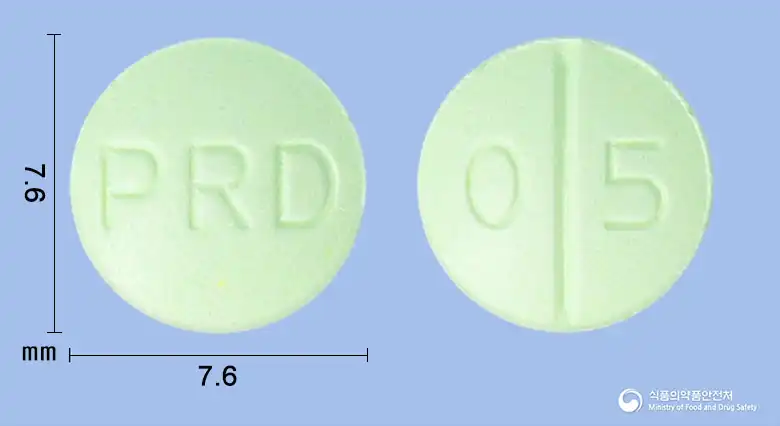
Peridol 5 mg (Haloperidol)
Haloperidol 5mg
Tablet · Prescription medication
Han-in Pharmaceuticals Co., Ltd.
MFDS item code 198200323 · Notified 1982.09.14 · Insurance code 657200890
Treatment of psychotic disorders (schizophrenia, etc.), manic episodes of bipolar I disorder, and Tourette syndrome
This medication is used for psychiatric disorders such as schizophrenia, manic episodes associated with bipolar disorder type I, symptoms of psychotic disorders, and Tourette syndrome.
Adjust the dose appropriately according to age and symptoms. In elderly and debilitated patients, the initial dose is 1-6㎎ per day as haloperidol, administered orally in 2-3 divided doses.
Age 14 years and older: Schizophrenia, manic episodes associated with bipolar I disorder, symptoms of psychotic disorders, Tourette syndrome (Gilles de la Tourette's syndrome): The initial dose is 1-15㎎ per day as haloperidol, administered orally in 2-3 divided doses (in severe cases, up to 100㎎ may be administered). When a therapeutic response is achieved, gradually reduce the dose to the minimum effective maintenance dose and adjust as needed.
This medication is used to treat psychotic symptoms associated with cognitive impairment in elderly dementia patients; however, special caution is necessary as there may be an increased risk of death in patients taking this medication. Increased risk of cerebrovascular disease may occur; therefore, it should be used with particular caution in patients with risk factors for stroke. While taking this medication, thrombotic issues, such as venous thrombosis, may arise, so prior verification of thrombotic risk factors and preventive measures are necessary. This medication should not be administered to patients with certain diseases or conditions, such as alcoholics, comatose patients, severe heart failure patients, Parkinson's disease patients, pregnant or breastfeeding women, etc. Patients with impaired liver or kidney function, patients with cardiovascular diseases, and patients with a history of convulsive disorders should use this medication more cautiously. This medication may cause various side effects including arrhythmias, blood pressure changes, serious neurological side effects, liver dysfunction, visual disturbances, allergic reactions, blood disorders, gastrointestinal issues, endocrine changes, respiratory difficulties, and neuropsychiatric symptoms, thus continuous monitoring is essential during treatment. Especially, emergency situations such as severe neuroleptic malignant syndrome may occur; if abnormal symptoms appear, healthcare professionals should be notified immediately. This medication is likely to interact with other drugs, so caution should be exercised when combined with central nervous system depressants, sympathomimetics, antipsychotics, antidepressants, and antiarrhythmics. Women who are pregnant or may become pregnant, as well as breastfeeding women should not use this medication and must consult with healthcare professionals if it is necessary to use it. Due to the increased risk of side effects, careful dosage adjustment and administration are required for children and the elderly. In case of overdose, serious side effects may occur necessitating immediate emergency treatment; abrupt discontinuation of this medication may lead to withdrawal symptoms, therefore it should be tapered off gradually. It is advisable to avoid hazardous activities such as driving or operating machinery while taking this medication.
Increased mortality, increased risk of cerebrovascular disease, venous thromboembolism, ECG abnormalities, hypotension, hypertension, tachycardia, ventricular tachycardia, thromboembolism, motor paralysis, severe muscle rigidity, dysphagia, dehydration, fever, leukocytosis, elevated serum CPK, myoglobinuria, impaired renal function, high fever, altered consciousness, dyspnea, circulatory collapse, dehydration symptoms, acute renal failure, acute muscle hypertonicity, opisthotonos, trismus, Parkinsonian rigidity, tremor, immobility, inability to sit, irreversible involuntary hypertonic dyskinesia syndrome, hepatitis, jaundice, liver dysfunction, retinitis, cataract, accommodation disorder of the eye, unclear vision, corneal opacity, lens opacity, corneal pigmentation, edema, erythema, urticaria, exfoliative dermatitis, photosensitivity, anaphylactic reaction, anemia, leukocytosis, leukopenia, erythrocytopenia, agranulocytosis, loss of appetite, nausea, vomiting, constipation, diarrhea, intestinal paralysis, paralytic ileus, hyperprolactinemia, breast enlargement in females, galactorrhea, menstrual abnormalities, changes in libido, hyperglycemia, hypoglycemia, weight gain, weight loss, hyponatremia, hypoosmolarity, syndrome of inappropriate antidiuretic hormone secretion, bronchospasm, laryngospasm, dyspnea, insomnia, restlessness, drowsiness, dizziness, headache, migraine, anxiety, depression, hallucinations, agitation, thirst, nasal obstruction, lethargy, urinary retention, fever, sweating, flushing, hypothermia
Not everyone experiences these, and they can vary from person to person.
This medication should be stored in a tightly sealed container that can block light, and the appropriate storage temperature is between 1 degree and 30 degrees Celsius at room temperature. Storing it this way can help retain the medication's effectiveness for a long time.
Green round tablet
For domestic use - 1000 tablets/bottle, for export - 30 tablets/box [10 tablets/PTP X 3]
Even with the same ingredient, strength, dosage form and how it is taken can differ.
Viewing nowHaloperidol 5mg
Tablet · Prescription medication
Han-in Pharmaceuticals Co., Ltd.
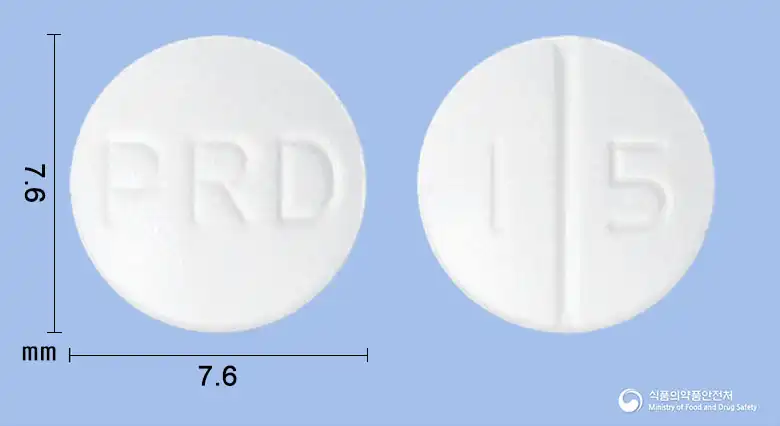
Haloperidol 1.5mg
Tablet · Prescription medication
Han-in Pharmaceuticals Co., Ltd.
Haloperidol 5mg
Prescription medication
Hanin Pharmaceutical Co., Ltd.
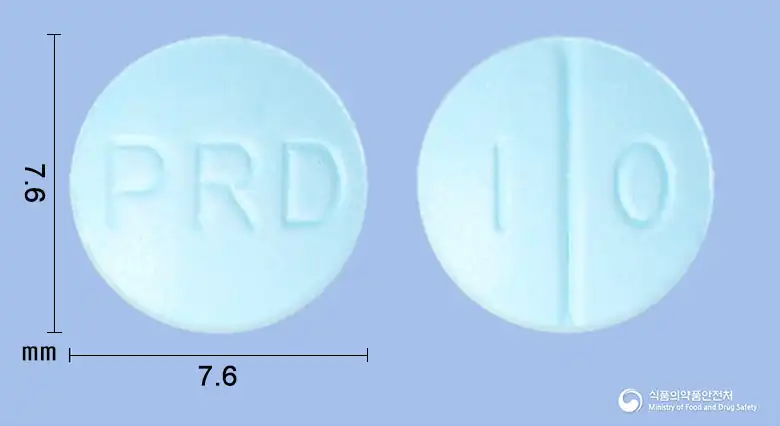
Haloperidol 10mg
Tablet · Prescription medication
Han-in Pharmaceuticals Co., Ltd.
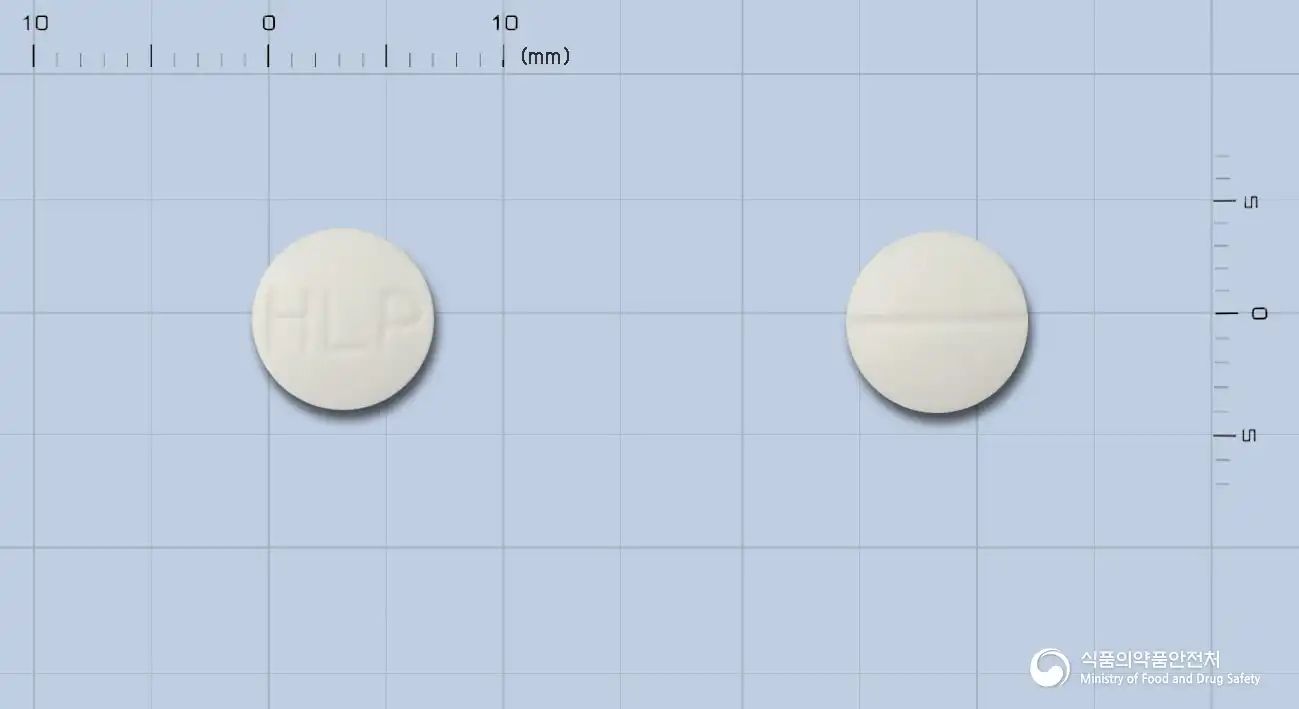
Haloperidol 1.5mg
Tablet · Prescription medication
Myungjin Pharmaceuticals Co., Ltd.
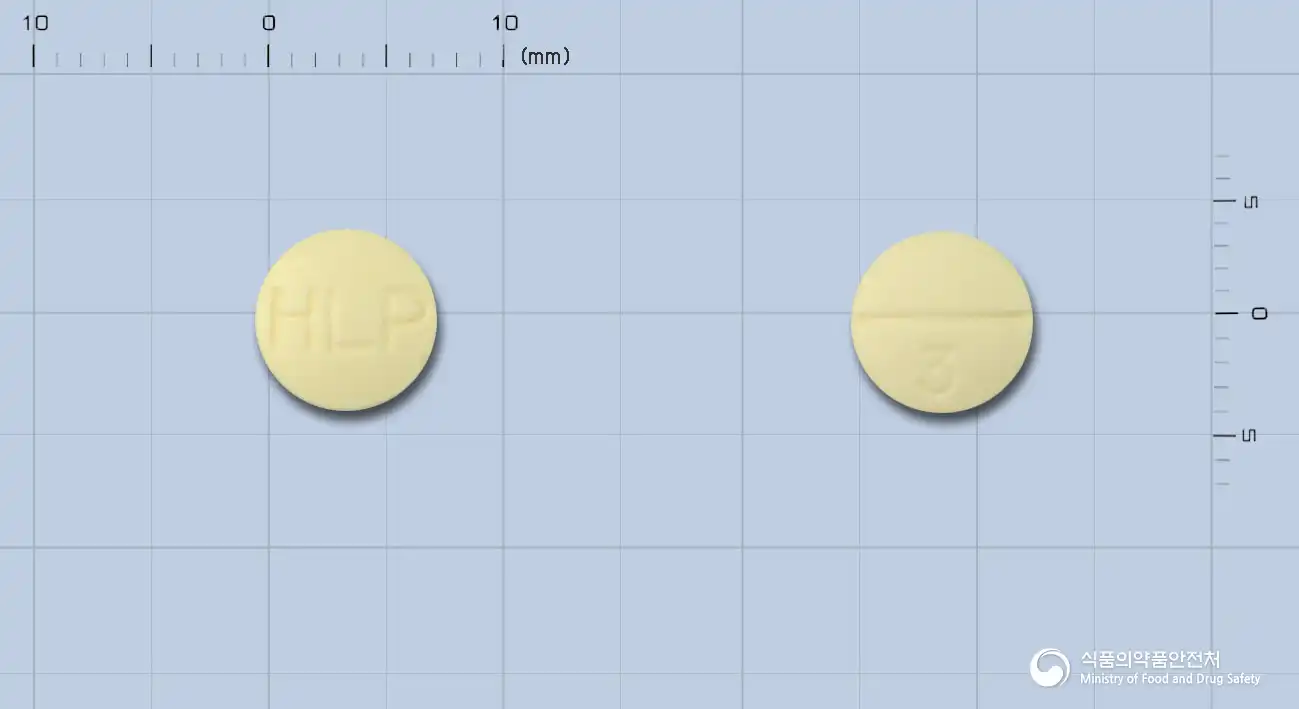
Haloperidol 3mg
Tablet · Prescription medication
Myungjin Pharmaceuticals Co., Ltd.
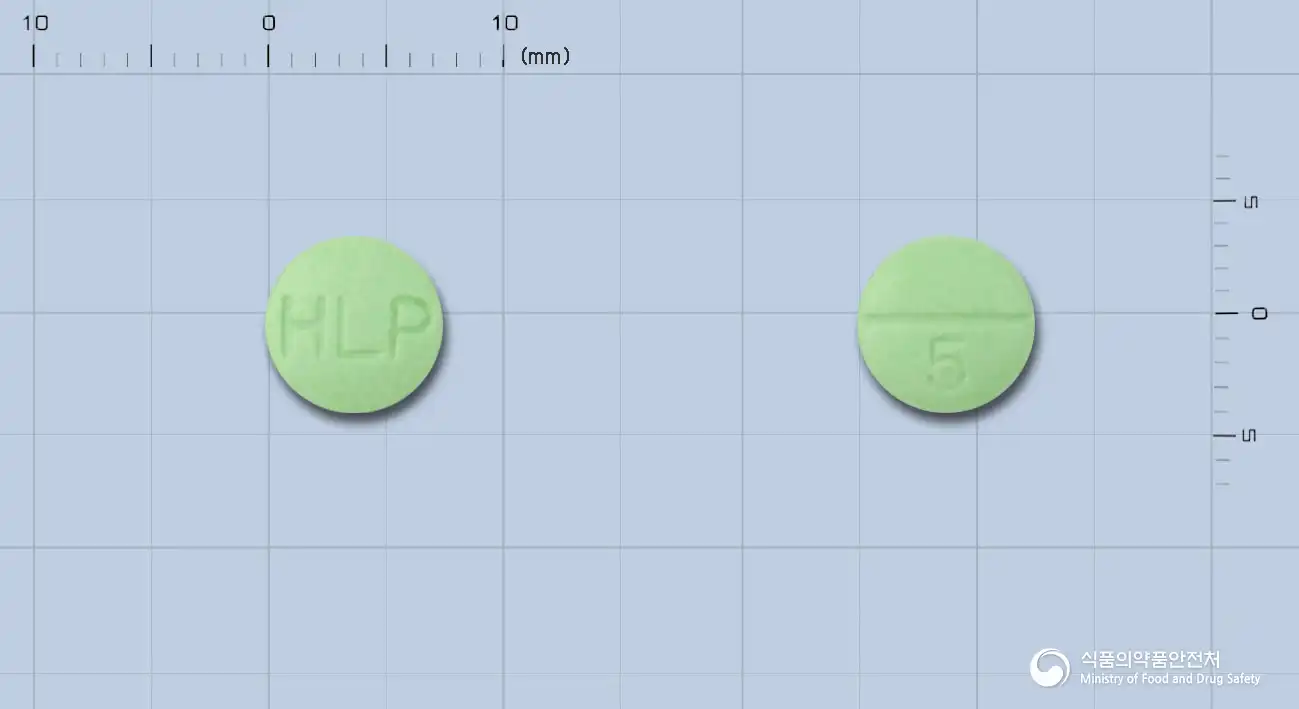
Haloperidol 5mg
Tablet · Prescription medication
Myungin Pharmaceutical Co., Ltd.
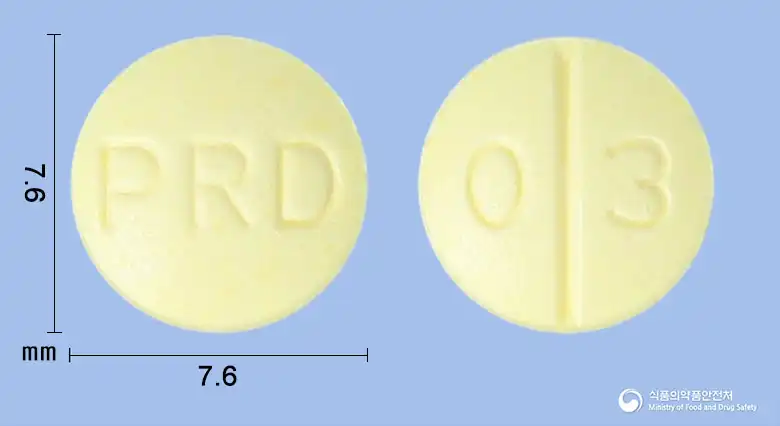
Haloperidol 3mg
Tablet · Prescription medication
Hanin Pharmaceutical Co., Ltd.
Even with the same ingredient, the dose and directions can differ by strength and dosage form. Talk to a doctor or pharmacist before switching from a medication you are already taking.
No questions yet.
For anything that needs medical judgment, consult a doctor or pharmacist.
This drug information is based on data provided by the Korea Ministry of Food and Drug Safety.
Consult a doctor or pharmacist for accurate dosage, administration, and usage instructions.