한국어
 English
 日本語
 中文(简体)
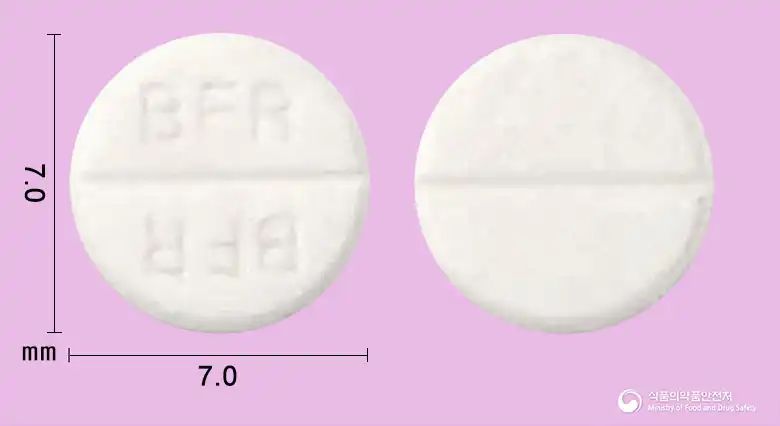
Dosage form image
Viewing nowCentil Tablet 10mg (Clobazam)
Clobazam 10mg
Tablet · Prescription medication
Handok Co., Ltd.
MFDS item code 198100698 · Approved 1981.02.12
Adjunctive treatment of epilepsy; relief of anxiety and tension (e.g., in psychosomatic disorders)
This medication helps relieve anxiety and tension. It is particularly used to improve symptoms of anxiety and tension caused by psychosomatic disorders, autonomic nervous disorders, sleep disorders, and organic disorders. It is also used as an adjunctive treatment for patients with epilepsy when monotherapy with antiepileptics is not sufficiently controlled, stabilizing the symptoms. Therefore, it is very effective in reducing anxiety and tension and aiding in epilepsy treatment.
The dose and duration of treatment should be adjusted according to the indication, severity of the disease, and the patient's clinical symptoms; use the lowest possible dose. * Adults 1) The initial dose is 10mg of clobazam per dose, administered orally twice daily (morning and evening). If necessary, administer 30mg/day; once symptoms improve, administer a maintenance dose of 10‐20mg/day. If sleep disturbance is the predominant symptom, administer 20mg 1‐2 hours before bedtime. 2) Adjunctive treatment of epilepsy: The initial dose is 20‐30mg/day. If necessary, up to 60mg/day may be administered. Once symptoms improve, administer the maintenance dose. * Elderly or debilitated patients Administer 1/2 of the adult dose. Adjust the dose as appropriate according to age and symptoms. Since elderly patients may have increased susceptibility and response to adverse reactions, begin treatment at a low dose and increase it gradually under close observation. The dose may be reduced as symptoms improve. After long-term treatment with this medicine, treatment must not be stopped abruptly; the dose should be reduced gradually under medical supervision. Otherwise, withdrawal symptoms may occur.
Children (3 years and older): Administer 1/2 of the adult dose. Adjust the dose as appropriate according to age and symptoms. Since children may have increased susceptibility and response to adverse reactions, begin treatment at a low dose and increase it gradually under close observation.
This medication should not be taken with alcohol, as it can enhance sedation effects and increase the risk of side effects. If taken with narcotics, sedation and respiratory suppression may worsen, potentially leading to coma or death, so it should only be used at the minimum dose for a short duration under close medical supervision when absolutely necessary. This medication may impair memory, particularly in forming new memories, with the risk increasing at higher doses. Long-term use or sudden discontinuation may result in withdrawal symptoms such as anxiety, insomnia, and restlessness, so it is important to taper off the medication gradually. During pregnancy, the risks to the fetus must be weighed against the therapeutic benefits, and use should be avoided, particularly in the first three months and during breastfeeding. This medication should not be administered to patients with a history of alcohol dependence or drug addiction, sleep apnea, myasthenia gravis, or severe respiratory or liver dysfunction. Patients with skin allergic reactions or muscle weakness should use caution, observing for serious skin reaction symptoms especially during the first eight weeks of treatment. This medication can cause drowsiness, dizziness, and muscle weakness, so caution is needed when driving or operating machinery. Taking this medication with other central nervous system depressants may enhance the effects, so dosage adjustments should be discussed with a physician. Patients with impaired liver or kidney function may experience more severe effects and side effects, so dosage adjustments and regular monitoring are required. Elderly patients are more sensitive to this medication and may have a higher risk of side effects, so doses should be reduced and side effects closely monitored. In case of overdose, severe drowsiness, respiratory suppression, and coma may occur, requiring immediate medical attention for appropriate treatment.
Sedation, drowsiness, blunted emotions, dizziness, slight tremors in fingers, delayed reaction time, ataxia, confusion, headache, muscle weakness, altered consciousness, speech disturbances, instability in walking and other motor functions, decreased libido, anterograde amnesia, inappropriate behavior, restlessness, anxiety, neuroticism, acute anxiety state, panic, suicidal tendencies, muscle cramps, sleep initiation and maintenance disorders, aggression, delusions, anger, nightmares, hallucinations, psychosis, depression, tolerance, dependence, double vision, eye twitching, respiratory depression, dry mouth, constipation, decreased appetite, nausea, rash, urticaria, Stevens-Johnson syndrome, toxic epidermal necrolysis, weight gain, urinary retention, hypothermia
Not everyone experiences these, and they can vary from person to person.
This medication should be stored in a tightly sealed container to prevent air and moisture exposure. This helps maintain the medication's efficacy for a longer period.
White round tablet
10 tablets, PTP packaging x 10
Even with the same ingredient, strength, dosage form and how it is taken can differ.
Even with the same ingredient, the dose and directions can differ by strength and dosage form. Talk to a doctor or pharmacist before switching from a medication you are already taking.
No questions yet.
For anything that needs medical judgment, consult a doctor or pharmacist.
This drug information is based on data provided by the Korea Ministry of Food and Drug Safety.
Consult a doctor or pharmacist for accurate dosage, administration, and usage instructions.