
 한국어
 English
 日本語
 中文(简体)
 Viewing now
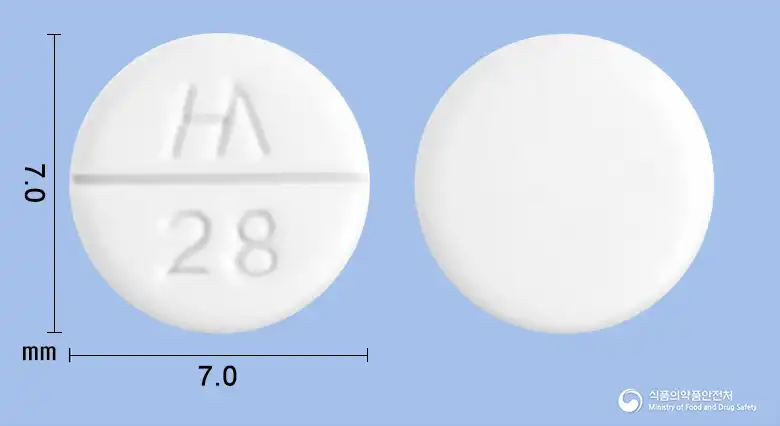
Tephra Tablet 40mg (Propranolol Hydrochloride)
Propranolol Hydrochloride 40mg
Tablet · Prescription medication
Hanol Biopharma Co., Ltd.
MFDS item code 198100091 · Notified 1981.02.26 · Insurance code 655601800
Treatment of cardiovascular diseases (e.g., arrhythmia) and pheochromocytoma; adjunctive treatment of thyrotoxicosis
This medication is used to treat various heart diseases. It prevents the occurrence of ectopic beats and paroxysmal tachycardia, and controls symptoms of arrhythmias such as tachycardia atrial fibrillation, paroxysmal atrial fibrillation, and sinus tachycardia. It is also effective in the treatment of angina and hypertension. Rarely, it may help alleviate symptoms in patients with hypertrophic aortic stenosis and pheochromocytoma. Additionally, it is used as an adjunct therapy for hyperthyroidism. Overall, it is used to improve various arrhythmias and blood pressure issues related to the heart.
1. Prevention of extrasystoles (supraventricular, ventricular) and paroxysmal tachycardia; tachycardial atrial fibrillation, paroxysmal atrial fibrillation, and sinus tachycardia: Adults should take 10 ∼ 30 mg of propranolol hydrochloride orally per dose, 3 ∼ 4 times daily before meals and at bedtime. 2. Angina: Administer 80 ∼ 240 mg of this medicine daily in 2 ∼ 4 divided doses. 3. Hypertension: The initial dose is 40 mg per dose, 2 times daily; the dose may be increased if the effect is insufficient. The maintenance dose is 120 ∼ 240 mg daily. 4. Hypertrophic subaortic stenosis: Administer 20 ∼ 40 mg of this medicine per dose, 3 ∼ 4 times daily. 5. Pheochromocytoma (in combination with an alpha-blocker): Administer 60 mg daily in divided doses for 3 days before surgery. The maintenance dose is 30 mg daily. 6. Adjunctive treatment of thyrotoxicosis: Administer 10 ∼ 40 mg of this medicine per dose, 3 ∼ 4 times daily. Adjust the dose as appropriate according to symptoms.
This medication should not be used in certain patients. For example, it should be avoided in patients with allergies to this medicine or those with chronic obstructive pulmonary disease, bronchial asthma, cardiac issues, hypotension, severe peripheral circulation disorders. It is also not recommended for use in pregnant or breastfeeding women, and children. Caution is necessary when taken with specific medications due to potential interactions. When using this medication, heart function, blood pressure, blood sugar, etc., should be regularly monitored, and if symptoms worsen or adverse reactions occur, immediate consultation with a physician is required. This drug can cause various side effects such as bradycardia, hypotension, respiratory distress, skin rashes, and neurological symptoms, so symptoms should be closely monitored. Especially, abruptly discontinuing this medication can exacerbate cardiac symptoms, so the dosage should be reduced gradually following a physician’s instructions. When undergoing surgery or anesthesia, it is crucial to inform the healthcare providers of this medication's use, and special caution is required when used with anesthetics. Overdose may result in severe bradycardia, hypotension, acute heart failure, bronchospasm, necessitating immediate emergency treatment. During the course of taking this drug, drowsiness or fatigue may occur, so it is advisable to avoid driving or operating hazardous machinery. Finally, this medication may affect blood sugar control, so diabetic patients should carefully monitor their blood sugar levels.
Erythematous rash, pharyngitis, pain, fever accompanied by sore throat, laryngospasm, induction or worsening of congestive heart failure, bradycardia, orthostatic hypotension accompanied by syncope, peripheral artery circulation disorders, atrioventricular block, chest hypersensitivity, dyspnea on exertion, chest discomfort, anxiety, headache, dizziness, unsteadiness, drowsiness, insomnia, hallucinations, depression, nightmares, sleep disorders, fatigue, mood changes, sensory disturbances in the hands, psychosis, dry mouth, nausea, vomiting, loss of appetite, upper abdominal discomfort, abdominal cramps, constipation, diarrhea, agranulocytosis, thrombocytopenia, thrombocytopenic purpura, transient limb coldness, rash, psoriasis, psoriasiform dermatitis, systemic lupus erythematosus, blurred vision, decreased tear production, bronchospasm, difficulty breathing, wheezing, increased ALT, increased AST, increased ALP, paralysis, hypoglycemia, weakness, fatigue, myalgia, reversible alopecia, increased LDH, elevated blood urea, decreased blood glucose levels, increased ANA, myasthenic syndrome resembling myasthenia gravis, exacerbation of severe myasthenia gravis
Not everyone experiences these, and they can vary from person to person.
This medication should be stored in a tightly closed container to prevent air or moisture from entering. It is best to maintain a storage temperature between 1 to 30 degrees Celsius.
White circular tablet
500 tablets/bottle
Even with the same ingredient, strength, dosage form and how it is taken can differ.
Viewing nowPropranolol Hydrochloride 40mg
Tablet · Prescription medication
Hanol Biopharma Co., Ltd.
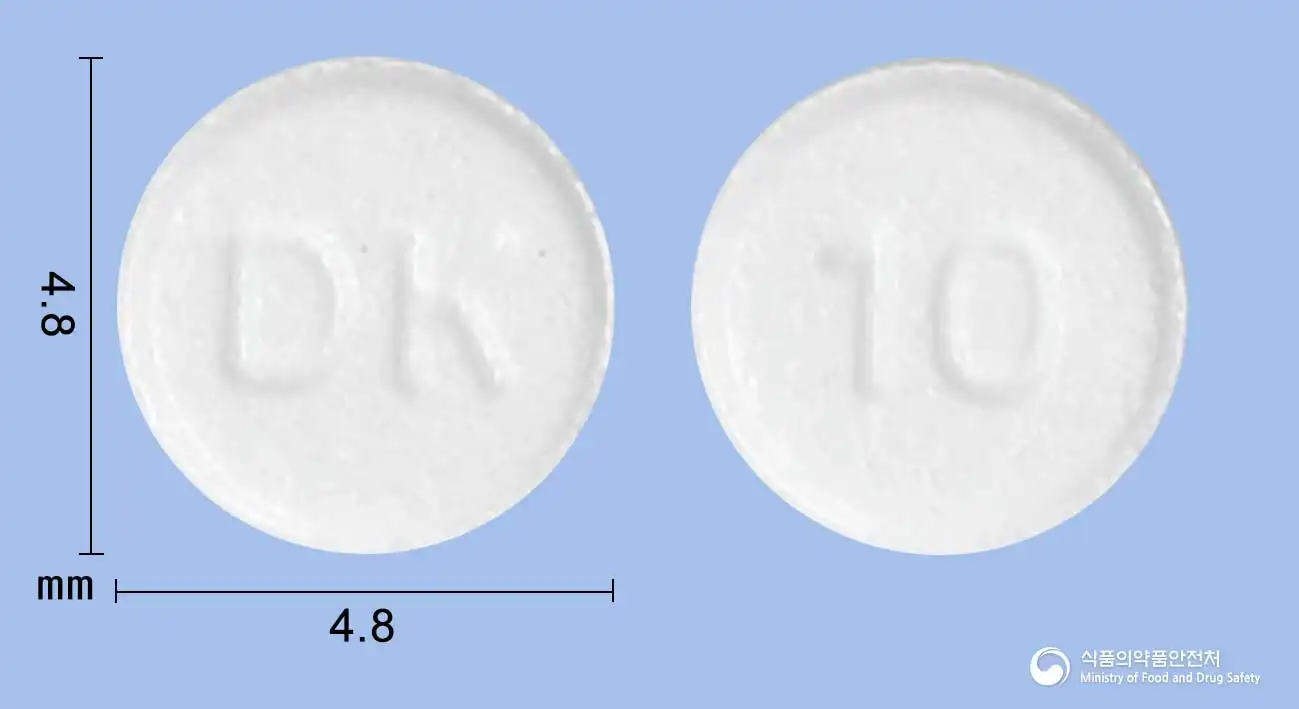
Propranolol Hydrochloride 10mg
Tablet · Prescription medication
Dongkwang Pharmaceutical Co., Ltd.
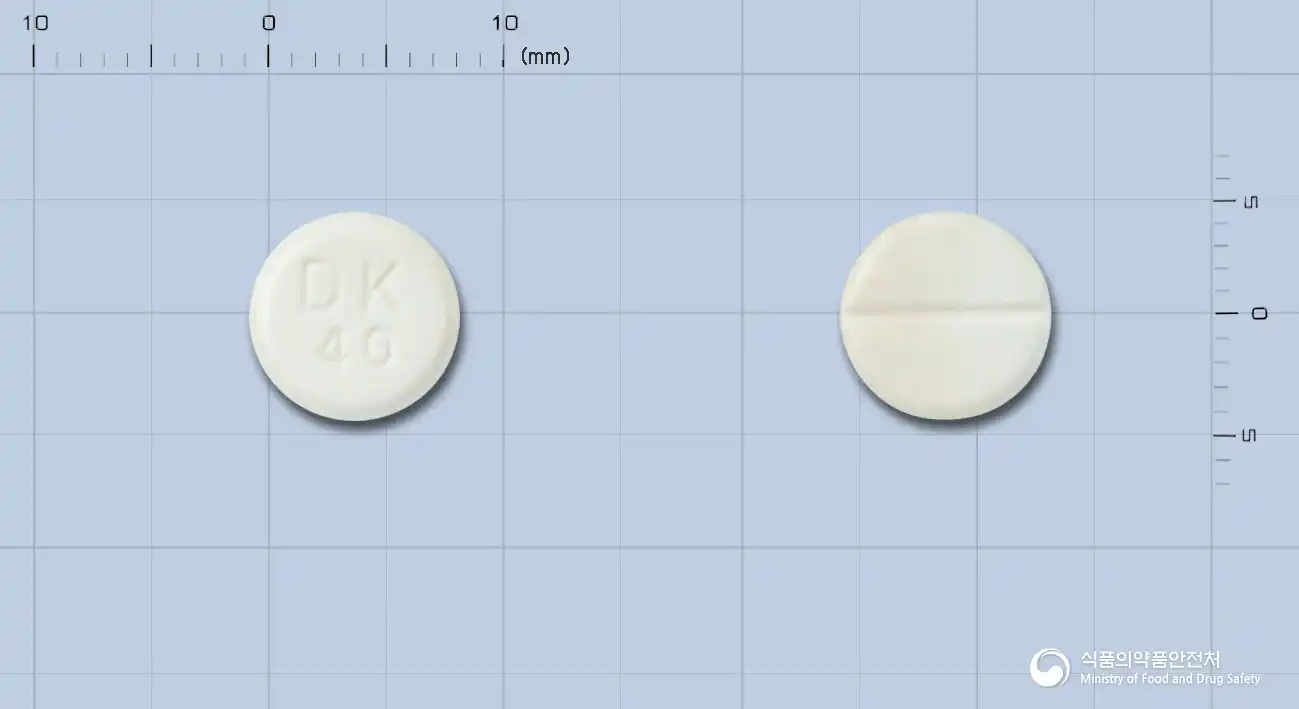
Propranolol Hydrochloride 40mg
Tablet · Prescription medication
Dongkwang Pharmaceutical Co., Ltd.
Propranolol Hydrochloride 0.428g
Solution · Prescription medication
Hanmi Pharmaceutical Co., Ltd.
Even with the same ingredient, the dose and directions can differ by strength and dosage form. Talk to a doctor or pharmacist before switching from a medication you are already taking.
No questions yet.
For anything that needs medical judgment, consult a doctor or pharmacist.
This drug information is based on data provided by the Korea Ministry of Food and Drug Safety.
Consult a doctor or pharmacist for accurate dosage, administration, and usage instructions.