한국어
 English
 日本語
 中文(简体)
 Viewing now
Bezalip Tablets (Bezafibrate)
Bezafibrate 200mg
Tablet · Prescription medication
Jongkundang Pharmaceutical Co., Ltd.
MFDS item code 198100015 · Notified 1981.02.24 · Insurance code 643300920
Treatment of primary hyperlipidemia (e.g., hypercholesterolemia)
This medication is used to treat primary hyperlipidemia, specifically hypercholesterolemia type IIa, combined hypercholesterolemia and hypertriglyceridemia type IIb and III, and hypertriglyceridemia type IV and V. It helps to control cholesterol and triglyceride levels in the blood, thereby reducing the risk of cardiovascular diseases.
(Oral: tablets) Adults: Administer 200㎎ of bezafibrate orally per dose, 2-3 times daily after meals, in conjunction with dietary therapy. In patients with a sensitive stomach, start with 200㎎ per day; after 3-4 days, administer 400㎎ per day, and, if necessary, increase to 600㎎ per day after a further 3-4 days. The dose may be adjusted according to age and symptoms. (Oral: extended-release tablets) Adults: Administer 400㎎ of bezafibrate orally once daily after a meal, in conjunction with dietary therapy. The dose may be adjusted according to age and symptoms.
This medication should not be used in patients with severe hepatic dysfunction or gallbladder disease. It should also not be administered in patients with severe renal dysfunction, pregnant or potentially pregnant women, nursing women, patients undergoing dialysis, or those with known allergic reactions to this medication. Caution is advised in patients with slightly impaired renal function, those with a history of hepatic dysfunction, patients taking blood sugar-lowering agents, and those with hypoalbuminemia. It can affect liver function, so treatment should be discontinued immediately if liver enzyme levels rise, and care is needed as gastrointestinal symptoms, skin reactions, neurological symptoms, and muscle problems may occur. Regular renal function tests are required for patients with renal dysfunction, as muscle damage and deterioration in renal function may occur. Before using this medication, dyslipidemia should be confirmed, and lifestyle improvements such as diet and exercise should also be considered. Blood lipid levels should be monitored regularly during treatment, and if ineffective, discontinuation of the drug is advisable. Attention is needed for interactions with other medications, particularly when used in conjunction with certain antihypertensives, anticoagulants, hypoglycemic agents, contraceptives, etc. Safety has not been established for use during pregnancy or lactation, so it should be avoided unless absolutely necessary, in which case breastfeeding should be ceased. Safety in pediatric patients has not been established, so use is not recommended. Elderly patients may have impaired liver and kidney function, so starting at a low dose, renal function should be closely monitored through blood tests. Additionally, elderly patients may experience hypoglycemic symptoms, so caution is needed. Finally, high doses may lead to more frequent gastrointestinal symptoms, and long-term use has been associated with tumor occurrences in some animal studies, hence caution is warranted during prolonged therapy.
Not everyone experiences these, and they can vary from person to person.
This medication should be stored in a tightly closed container to prevent air and moisture from entering. It is advisable to store it in a cool, dry place away from direct sunlight.
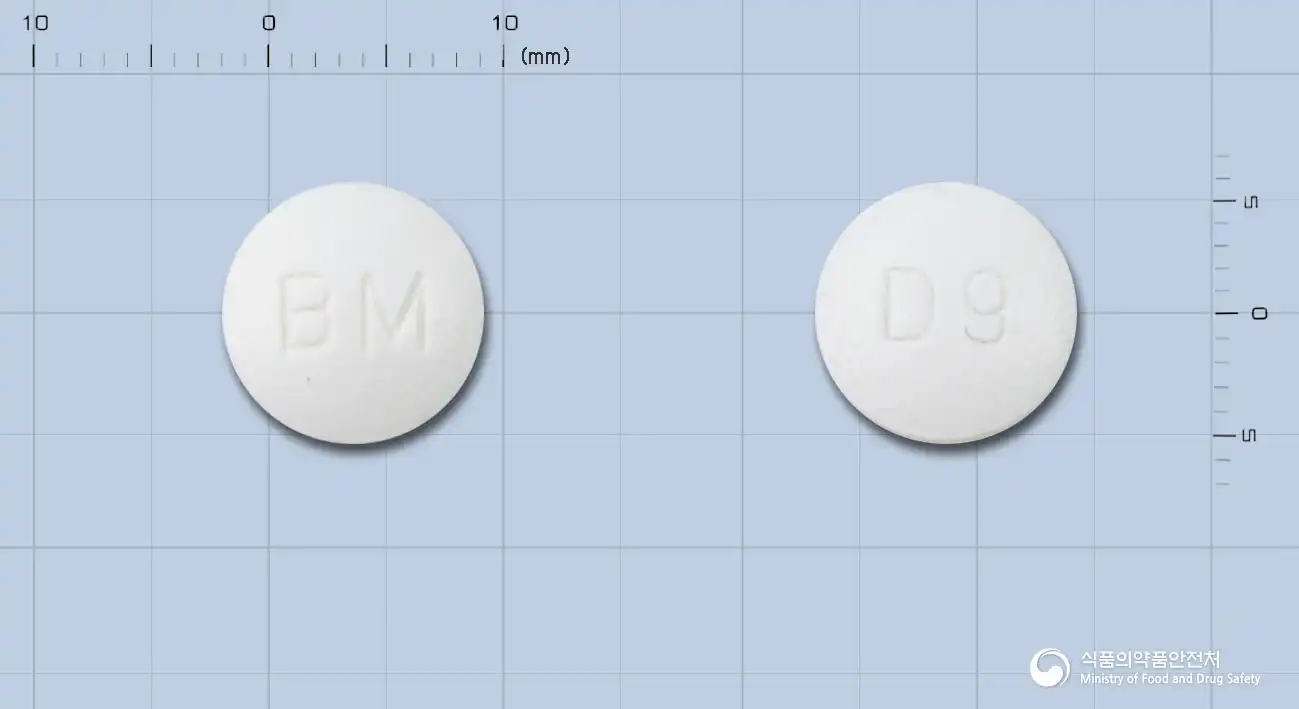
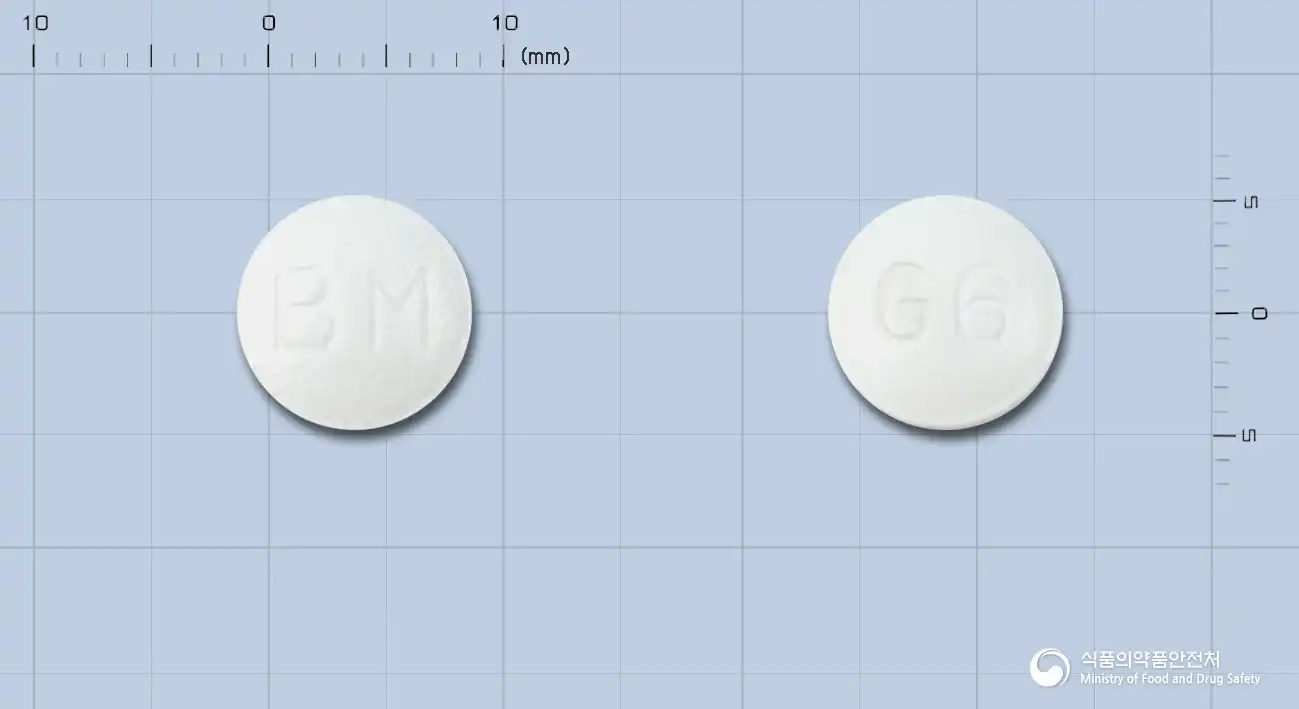
This medication is a white, round tablet with a film coating.
30 tablets/bottle, 100 tablets/bottle
Even with the same ingredient, strength, dosage form and how it is taken can differ.
Even with the same ingredient, the dose and directions can differ by strength and dosage form. Talk to a doctor or pharmacist before switching from a medication you are already taking.
No questions yet.
For anything that needs medical judgment, consult a doctor or pharmacist.
This drug information is based on data provided by the Korea Ministry of Food and Drug Safety.
Consult a doctor or pharmacist for accurate dosage, administration, and usage instructions.