
 한국어
 English
 日本語
 中文(简体)
Dosage form image
Viewing nowMelo Injection (Diazepam)
Diazepam 5mg
Injections · Prescription medication
Dongwha Pharmaceutical Co., Ltd.
MFDS item code 197900538 · Approved 1979.02.12
This product's status changed to Approval withdrawn on 2025.02.10. It may no longer be sold, so consult a doctor or pharmacist before taking it.
Treatment of convulsions, epilepsy, and withdrawal symptoms; premedication before anesthesia or examinations; relief of anxiety, tension, and depression
This medicine is used to relieve anxiety and tension caused by neurosis. It also helps alleviate anxiety and tension prior to anesthesia, and manage psychosomatic disorders and alcohol withdrawal symptoms. It serves as an adjunct in the treatment of skeletal muscle spasms and simple partial seizures, and the parenteral formulation is used for the treatment of convulsive seizures and status epilepticus. Additionally, it is administered before tests to reduce anxiety and tension in procedures like endoscopy or cardioversion. Overall, it is effective for improving various nerve and muscle-related symptoms.
1. Anxiety, tension: For diazepam, administer 5-10㎎ intravenously or intramuscularly in severe cases, and 2-5㎎ in mild or moderate cases. The dose may be repeated after 3-4 hours as needed. However, do not administer more than 30㎎ within 8 hours. 2. Adjunctive treatment for skeletal muscle spasms: Administer 5-10㎎ of this drug intravenously or intramuscularly. The dose may be repeated after 3-4 hours as needed. Higher doses may be required for tetanus. 3. Adjunctive treatment for convulsive seizures or status epilepticus: Administer an initial dose of 5-10㎎ of this drug intravenously, followed, if needed, by slow intravenous doses at 10-15-minute intervals up to a maximum of 30㎎. Consider any active metabolites that may remain, and use with extreme caution in patients with chronic pulmonary disease or unstable cardiovascular status. 4. Premedication for anesthesia: Administer 10㎎ of this drug intramuscularly before surgery. 5. Alcohol withdrawal symptoms: Administer an initial dose of 10㎎ of this drug intravenously or intramuscularly. A dose of 5-10㎎ may be repeated after 3-4 hours as needed. 6. Endoscopy: Administer 10㎎ or less of this drug intravenously. The dose may be increased to 20㎎ as needed. If intravenous administration is not possible, slowly administer 5-10㎎ intramuscularly 30 minutes before the procedure. 7. Cardioversion: Slowly administer 5-15㎎ intravenously 5-10 minutes beforehand. For intramuscular administration, inject deeply. For intravenous administration, respiratory support equipment must be available. Do not inject into small veins, and administer carefully to avoid intra-arterial administration or extravasation. For intravenous administration, inject slowly at a rate of at least 5㎎/minute, and do not mix with other preparations in the syringe.
Administer intravenously as a rule; if intravenous administration is not possible, it may be administered intramuscularly. Anxiety, tension: Administer 0.04-0.2㎎/㎏ body weight intravenously. The dose may be repeated every 2-4 hours as needed. However, do not administer more than 0.6㎎/㎏ body weight within 8 hours. Adjunctive treatment of seizures or status epilepticus: In infants aged 1 month or older and children under 5 years of age, slowly administer 0.2-0.5㎎ intravenously at 2-5-minute intervals, up to a maximum of 5㎎. The dose may be repeated every 2-4 hours as needed. Adjunctive treatment of seizures or status epilepticus: In children aged 5 years and older, slowly administer 1㎎ intravenously at 2-5-minute intervals until a maximum dose of 10㎎ is reached. The dose may be repeated every 2-4 hours as needed. Relief of spasms in tetanus: In infants aged 1 month or older and children under 5 years of age, slowly administer 1-2㎎ intravenously. The dose may be repeated every 3-4 hours as needed. Relief of spasms in tetanus: In children aged 5 years and older, slowly administer 5-10㎎ intravenously. The dose may be repeated every 3-4 hours as needed.
This medication contains benzyl alcohol, which can cause life-threatening respiratory problems in premature infants, requiring particular caution. Concurrent use with narcotics can lead to severe sedation, respiratory depression, coma, or even death, so co-administration should be decided very cautiously. It should not be administered to patients with acute angle-closure glaucoma, myasthenia gravis, severe respiratory failure, sleep apnea syndrome, or those with alcohol or drug dependency. Patients with heart, liver, kidney dysfunction, the elderly, or those suffering from depression should use this medication with special caution. This medication may lead to dependence when used in high doses or for prolonged periods, so it should be administered in the minimum effective dose for the shortest duration possible. Sudden discontinuation can lead to withdrawal symptoms and rebound anxiety, necessitating a gradual tapering of the dose. Patients with mental disorders may experience paradoxical responses such as increased anxiety, agitation, or hallucinations, so their condition should be closely monitored. Various side effects may occur, including drowsiness, dizziness, vision impairment, blood disorders, liver function abnormalities, and respiratory depression, and any abnormal symptoms should be immediately reported to medical personnel. It is safest to avoid driving or operating hazardous machinery while on this medication. Women in early pregnancy, during pregnancy, or nursing should generally not use this medication, and if unavoidable, should consult with a specialist. Older adults should exercise caution as excessive sedation or movement disorders may occur, starting with a small dose. In cases of overdose, reduced consciousness, respiratory depression, and hypotension may occur, requiring urgent treatment and monitoring. This medication may enhance the effects of other central nervous system depressants or specific drugs, so co-administration must follow professional guidance. The administration route is mainly intravenous, and intramuscular injection is not recommended due to irregular absorption and potential side effects. Regular blood and liver function tests are required while using this medication, and any abnormal symptoms must be promptly reported to medical personnel.
Dependence, withdrawal symptoms, rebound anxiety, anxiety, agitation, depression, irritability, confusion, hallucination, psychosis, behavioral disorders, drowsiness, staggering, dizziness, gait disturbance, headache, urinary incontinence, speech disorder, tremors, hypochondria, syncope, nystagmus, blurred vision, leukopenia, agranulocytosis, hematological abnormalities, jaundice, elevated ALT, elevated AST, elevated ALP, tachycardia, bradycardia, hypotension, circulatory shock, nausea, vomiting, loss of appetite, gastrointestinal disorders, constipation, dry mouth, change in salivation, rash, upper airway obstruction, fatigue, weakness, edema, change in libido, urinary retention, EEG changes, fatigue, hypersomnia, muscle weakness, ataxia, stuttering, unclear pronunciation, tremor, vertigo, restlessness, anxiety, irritability, aggression, delusions, anger, nightmares, delirium, emotional deficit, reduced alertness, increased libido, decreased libido, falls, fractures, dry mouth, excessive salivation, double vision, blurred vision, hypotension, circulatory suppression, irregular heartbeat, increased aminotransferases, increased blood alkaline phosphatase, skin reactions, dizziness, cardiac arrest, respiratory failure, respiratory depression, jaundice, hypersomnia, reduced muscle tone, weight loss, hypotension, reduced respiratory function, decreased body temperature, ataxia, over-sedation, absence of reflexes, apneas, hypotension, cardiovascular and respiratory suppression, coma, delirium, deep sleep, myasthenia, reflex disorders, amnesia
Not everyone experiences these, and they can vary from person to person.
This medication is sensitive to light and should be stored in a container that prevents light exposure. Moreover, it is advisable to store the medication at room temperature between 1°C and 30°C.
A parenteral preparation in a brown ampule containing a colorless to pale yellow solution.
50 ampules (2 mL/ampule x 50)
Even with the same ingredient, strength, dosage form and how it is taken can differ.
Diazepam 5mg
Injections · Prescription medication
Dongwha Pharmaceutical Co., Ltd.
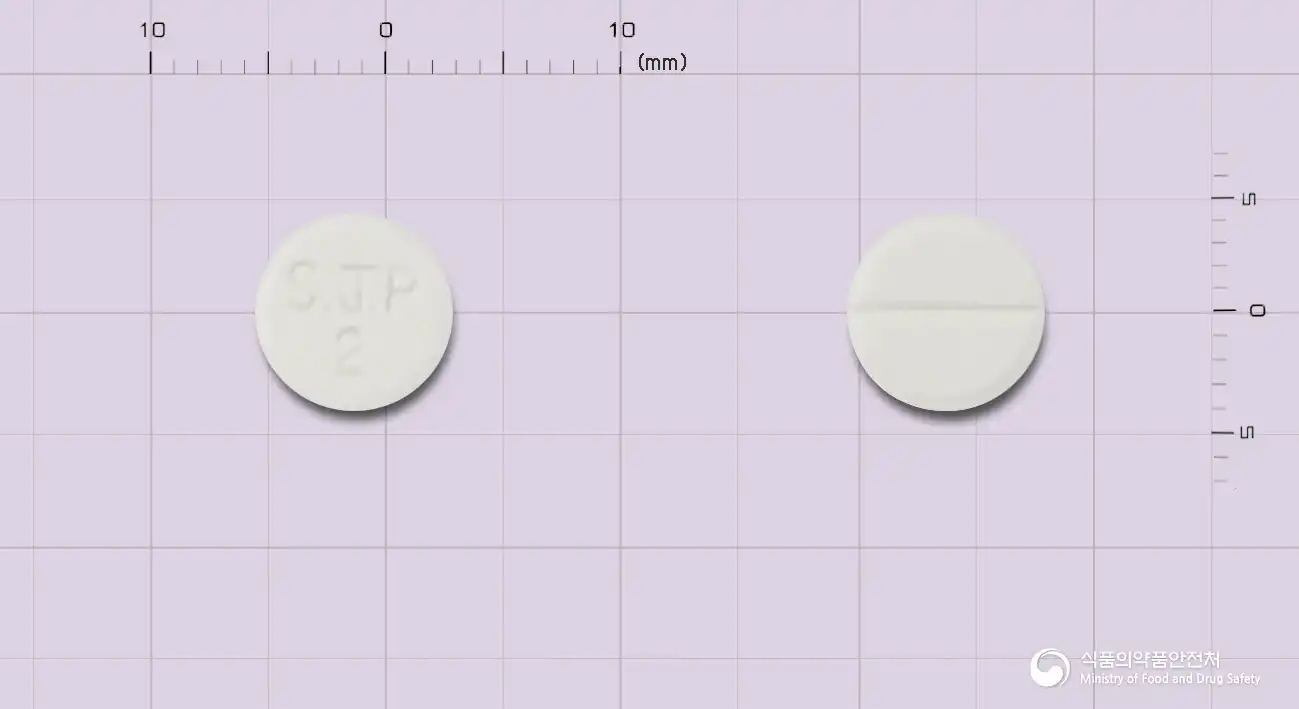
Diazepam 2mg
Tablet · Prescription medication
Samjin Pharmaceutical Co., Ltd.
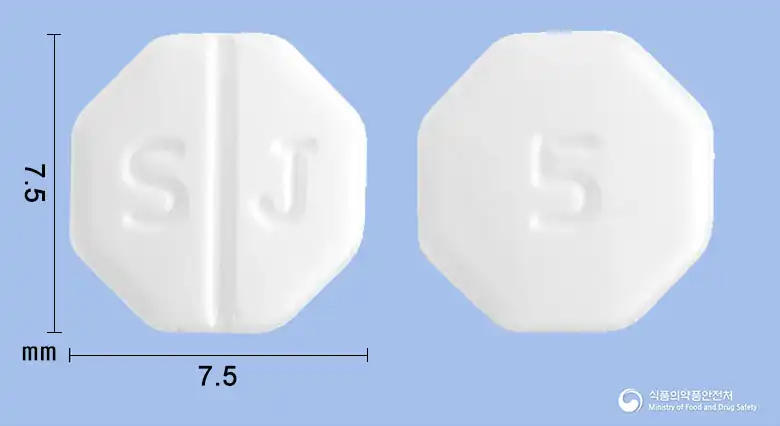
Diazepam 5mg
Tablet · Prescription medication
Samjin Pharmaceutical Co., Ltd.
Diazepam 5mg
Injections · Prescription medication
Samjin Pharmaceutical Co., Ltd.
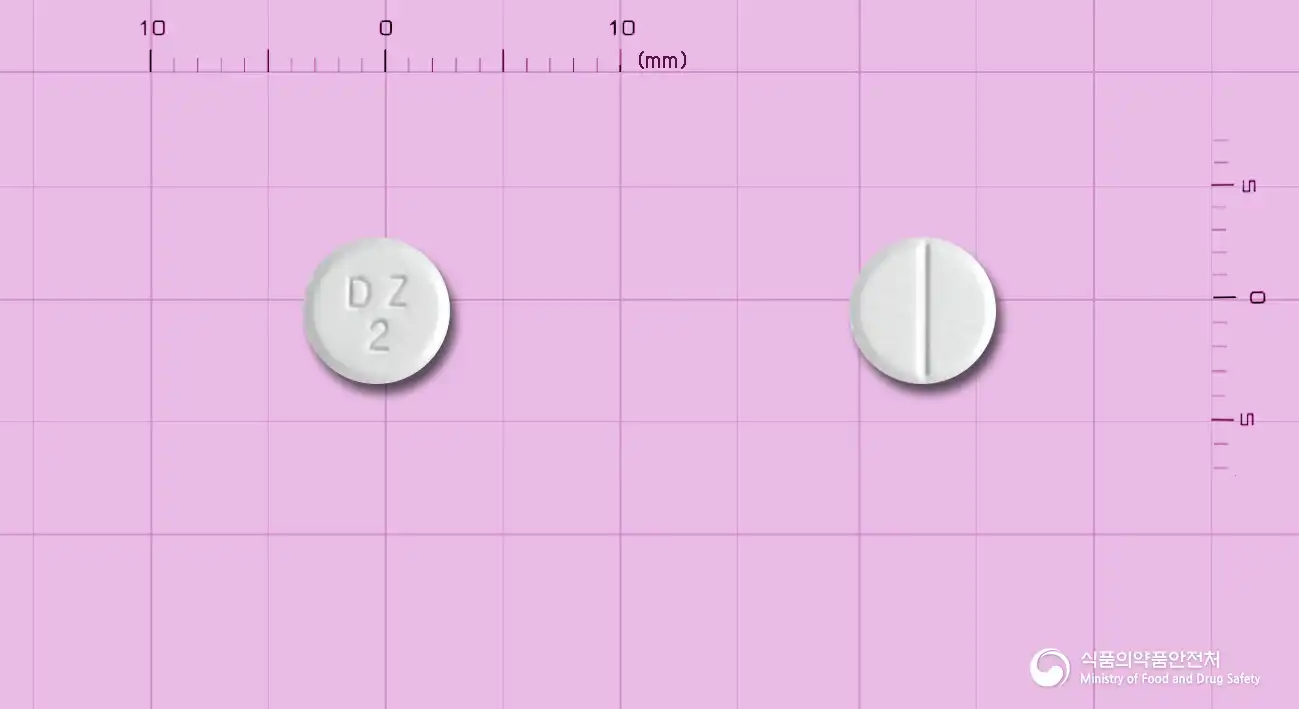
Diazepam 2mg
Tablet · Prescription medication
Myungin Pharmaceutical Co., Ltd.
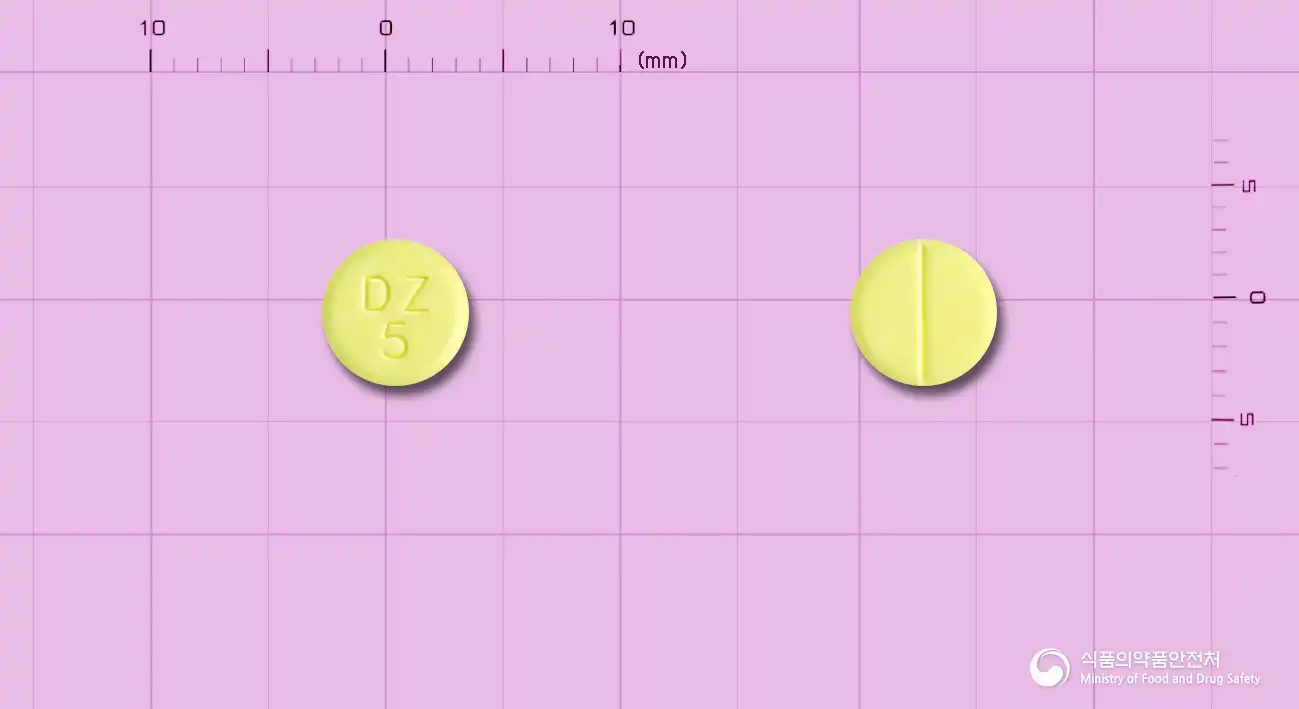
Diazepam 5mg
Tablet · Prescription medication
Myungin Pharmaceutical Co., Ltd.
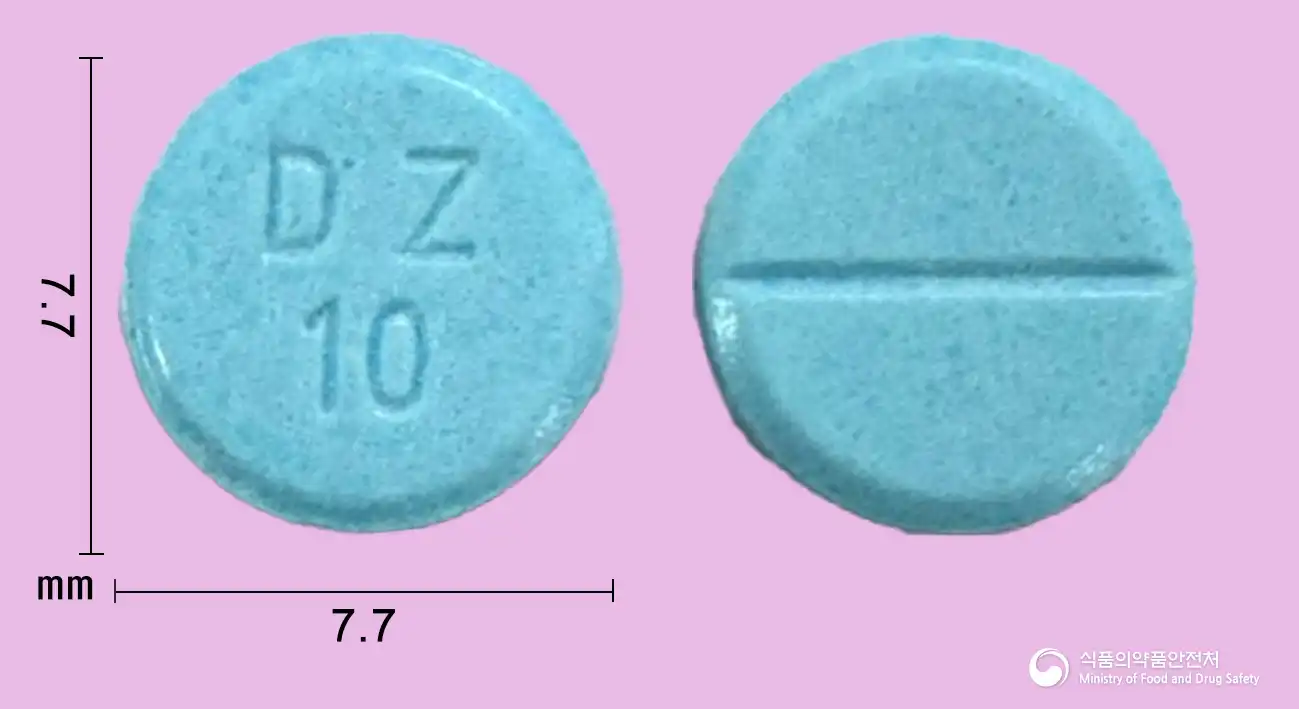
Diazepam 10mg
Tablet · Prescription medication
Myeongin Pharmaceutical Co., Ltd.
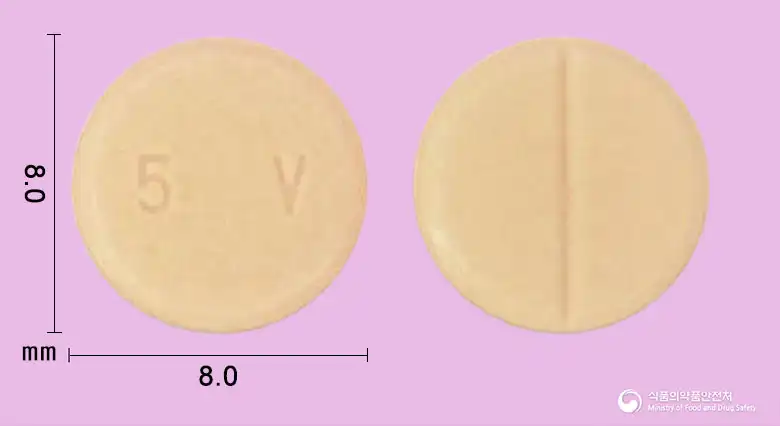
Diazepam 5mg
Tablet · Prescription medication
GP Therapeutics Korea Co., Ltd.
Even with the same ingredient, the dose and directions can differ by strength and dosage form. Talk to a doctor or pharmacist before switching from a medication you are already taking.
No questions yet.
For anything that needs medical judgment, consult a doctor or pharmacist.
This drug information is based on data provided by the Korea Ministry of Food and Drug Safety.
Consult a doctor or pharmacist for accurate dosage, administration, and usage instructions.